
Most Shopify sellers think about shipping speed the same way they think about branding: something to invest in once the store is profitable.
That’s the wrong order of operations.
For AU sellers running paid traffic, shipping speed is one of the most direct inputs into ad performance, repeat purchase rate, and long-term brand perception. The sellers scaling in Australia right now have figured this out. They’re not just finding better products or sharper creatives. They’re building fulfilment infrastructure that makes everything else work harder.
Here’s why it matters more than most dropshippers realise, and what doing it properly looks like.
The AU delivery expectation gap
The AU delivery expectation gap — and why it’s getting harder to ignore
Australian consumers have some of the highest delivery expectations in the region, and those expectations have shifted significantly in the last few years.
Same-day and next-day delivery from domestic retailers like Amazon AU and The Iconic has quietly reset what “acceptable” means. When a customer orders from your Shopify store, they’re not benchmarking your delivery time against other dropshippers. They’re benchmarking it against every other purchase they made that week.
The numbers reflect this. 85% of Australian shoppers say a reliable delivery experience will be the most important factor in trusting online retailers over the next five years, according to the Australia Post 2026 eCommerce Report. Most AU shoppers expect their parcel within 2 to 5 days, with Millennials and Gen X increasingly expecting delivery in 3 days or less. 26% expect same or next-day delivery when things are urgent, according to the Australia Post Omnibus Survey 2025. And 77% of AU shoppers expect full tracking transparency throughout the fulfilment process.
Most dropshippers sourcing from China are not hitting those numbers. Standard China-to-Australia freight runs 14 to 21 days on general shipping routes.
That gap is not just a customer service problem. It shows up directly in your paid acquisition costs.
| Metric | AU consumer expectation | Standard China shipping | Dedicated CN/AU lane |
|---|---|---|---|
| Delivery window | 5–7 days | 14–21 days | 5–9 days |
| Peak season reliability | Consistent year-round | Degrades Nov–Feb | SLA maintained |
| Tracking accuracy | Real-time updates | Gaps common | Automated updates |
| Impact on reviews | Positive | High dispute rate | Review-positive |
- How shipping speed directly affects your Shopify store’s key metrics
Shipping speed isn’t a soft metric. It flows into the numbers that determine whether a store is profitable and scalable.
ROAS and cost per acquisition
Most Shopify sellers watch ROAS closely, but few trace it back to fulfilment.
When delivery is slow, first-time customers have a poor experience. They don’t return. They don’t refer. That means every customer acquired through paid ads has to be re-acquired next time, because retention is effectively zero.
Your ROAS might look acceptable on a single campaign. But the lifetime value behind each conversion is low, so you’re paying full acquisition cost over and over for customers who should have become repeat buyers. Fast, reliable delivery changes that equation.
Repeat purchase rate and customer lifetime value
Repeat customers spend on average 67% more than first-time buyers, according to Shopify’s own data.
For stores trying to build a brand rather than just move products, repeat purchase rate is the metric that separates stores that scale from stores that plateau. And the single biggest driver of whether a customer returns is the first delivery experience. Not just the product. Whether it arrived when expected, whether the tracking was accurate, whether the unboxing matched what the store promised.
A five to nine day delivery window consistently outperforms a 14 to 21 day window on every retention metric.
Reviews and social proof
Shopify stores running paid traffic live and die on their review profile.
A store with a 4.7 average converts paid traffic at a meaningfully higher rate than one sitting at 3.9. 76% of shoppers say a positive delivery experience directly influenced their decision to repurchase from a brand, according to Sifted’s 2025 Consumer Survey.
Slow, unreliable shipping generates negative reviews that are hard to recover from. One bad delivery experience produces a review that suppresses conversion for every future visitor. Fast, consistent fulfilment produces the opposite.
Refund rates and dispute volume
Delivery issues account for 26% of ecommerce chargebacks, according to Chargeflow, making it one of the most common and preventable dispute triggers for AU sellers on standard China shipping routes.
Dedicated CN/AU shipping lanes with maintained SLA reduce this risk by keeping customers informed and orders arriving on time. Fewer disputes mean lower chargeback rates, which affects both margins and payment processor standing.
| Metric | Slow shipping (14–21 days) | Fast shipping (5–9 days) |
|---|---|---|
| ROAS over time | Declines. No repeat buyers means full re-acquisition cost every campaign. | Improves over time. Repeat buyers lower your effective CPA. |
| Repeat purchase rate | Low. Poor first delivery experience kills the second order. | Higher. Good first delivery drives LTV and brand loyalty. |
| Review quality | Negative reviews from late orders suppress conversion on every future ad. | Positive reviews compound. Higher conversion on paid traffic over time. |
| Dispute rate | Delivery issues account for 26% of ecommerce chargebacks, making it one of the most common and preventable dispute triggers. | Fewer disputes. Maintained SLA keeps customers confident through the full fulfilment window. |
5 to 9 days from China to Australia: what this looks like in practice
Here’s what AU-optimised fulfilment actually means for your store.
5 to 9 day delivery from China, consistently. HyperSKU ships directly from China to Australia in 5 to 9 days as a baseline, not a best case. Most standard China-sourced shipping runs 14 to 21 days. That gap is the difference between a customer who comes back and one who files a dispute.
It works across all product categories. Whether you’re selling pet supplies, clothing, home goods, or general merchandise, the same delivery window applies. You’re not locked into a specific niche to access AU-optimised shipping.
The delivery window holds through peak season. Boxing Day, Black Friday, and the AU summer period from October through February are when most suppliers’ shipping times expand. HyperSKU’s CN/AU routing maintains its SLA through these periods. If you’re scaling paid spend during peak season, this is the part that matters most operationally.
No subscription fee and no minimum order volume. There’s no monthly platform cost to access any of this. HyperSKU’s pricing is per order — product cost plus shipping — which means your cost structure stays variable and aligned with actual revenue. You’re not paying a fixed fee in slow months or when you’re testing new products. And the integration with Shopify is native, so setup doesn’t require technical work to get orders flowing.
Fast Shipping As A Brand Building Tool
Most dropshippers think about fast shipping as a cost of doing business. The sellers building real brands think about it differently: fast, consistent fulfilment is what creates the conditions for brand equity to accumulate.
Here’s what that means in practice.
A customer who receives their order in six days, in good condition, with accurate tracking throughout, has a fundamentally different relationship with your store than one who waited three weeks and had to chase down a support ticket. The first customer remembers the experience positively. They’re more likely to return, more likely to leave a review, and more likely to tell someone else about the store. That’s brand equity. It compounds quietly over time.
The second customer remembers the frustration. They don’t come back. And if they leave a review, it’s the kind that suppresses conversion for every future visitor.
Fast shipping doesn’t just improve the post-purchase experience. It enables everything else a brand-building strategy depends on: a positive review profile, a growing base of repeat customers, and word-of-mouth that reduces your dependence on paid acquisition over time.
This is especially relevant for sellers moving beyond white-label dropshipping toward private label products. Private label is only worth investing in if the customer experience surrounding the product is strong enough to justify the brand premium. A 14-day delivery window undermines that. A 5 to 9 day window reinforces it.
The transition from dropshipping to brand also requires a supplier that can grow with you. Custom packaging, brand inserts, and product-level customisation all depend on the supplier relationship being stable and reliable over time. A supplier that can’t maintain SLA under volume isn’t a long-term brand partner. One that can is.
If you’re still evaluating supplier options before committing to this stage, this breakdown of the best dropshipping suppliers for Australian sellers covers the key differences in fulfilment capability, peak season reliability, and private label support.
Setting up fast AU fulfilment on Shopify with HyperSKU
HyperSKU’s Shopify integration connects your store directly to HyperSKU’s fulfilment system, with no CSV exports, manual uploads, or third-party middleware required.
You can connect directly through the HyperSKU app on the Shopify App Store, or via your HyperSKU account under Settings > My Stores. Either way takes a few minutes.
Once connected, the workflow runs on its own. Unfulfilled orders from your Shopify store sync to HyperSKU automatically. Products can be imported to your store with a single click. When an order is paid and processed, tracking numbers sync back to your Shopify store in real time and the order is marked as fulfilled.
If you’re running print on demand alongside standard dropshipping, HyperSKU supports custom product & branding options within the same fulfilment workflow, so you don’t need a separate supplier relationship for custom products.
Here’s what that means in practice.
A customer who receives their order in six days, in good condition, with accurate tracking throughout, has a fundamentally different relationship with your store than one who waited three weeks and had to chase down a support ticket. The first customer remembers the experience positively. They’re more likely to return, more likely to leave a review, and more likely to tell someone else about the store. That’s brand equity. It compounds quietly over time.
The second customer remembers the frustration. They don’t come back. And if they leave a review, it’s the kind that suppresses conversion for every future visitor.
Fast shipping doesn’t just improve the post-purchase experience. It enables everything else a brand-building strategy depends on: a positive review profile, a growing base of repeat customers, and word-of-mouth that reduces your dependence on paid acquisition over time.
This is especially relevant for sellers moving beyond white-label dropshipping toward private label products. Private label is only worth investing in if the customer experience surrounding the product is strong enough to justify the brand premium. A 14-day delivery window undermines that. A 5 to 9 day window reinforces it.
The transition from dropshipping to brand also requires a supplier that can grow with you. Custom packaging, brand inserts, and product-level customisation all depend on the supplier relationship being stable and reliable over time. A supplier that can’t maintain SLA under volume isn’t a long-term brand partner. One that can is.
If you’re still evaluating supplier options before committing to this stage, this breakdown of the best dropshipping suppliers for Australian sellers covers the key differences in fulfilment capability, peak season reliability, and private label support.
Final Thoughts
Shipping speed is one of those advantages that doesn’t look like much until you see what it does to the numbers over time. A 5 to 9 day delivery window doesn’t just make customers happier. It improves ROAS, drives repeat purchases, builds a review profile that converts paid traffic, and creates the conditions for a brand to develop rather than stall.
For AU sellers scaling on Shopify, the gap between standard China freight and AU-optimised fulfilment is wide enough to be the difference between a store that grows and one that plateaus. The good news is that closing that gap doesn’t require a minimum order volume, a monthly platform fee, or a complicated setup.
If fast, consistent delivery to Australia is the next thing you want to get right, HyperSKU is worth looking at.
Ship from China to Australia in 5–9 Days. No Subscription.
Most AU sellers are losing customers and ad spend to slow shipping. HyperSKU’s AU-optimised fulfilment delivers in 5–9 days, syncs automatically with your Shopify store, and costs nothing to start. No monthly fees. No minimum orders.
Start for FreeFAQs About Fast Shipping From CN to AU for Shopify Sellers
Does shipping speed actually improve my Shopify ad performance?
Indirectly, yes — and the effect compounds over time. Faster delivery improves repeat purchase rate, which lowers your effective cost per acquisition across campaigns. It also drives a stronger review profile, which improves conversion on paid traffic. Neither effect shows up immediately in a single campaign, but both become significant over a 3 to 6 month window of consistent fulfilment.
What happens to delivery times during Boxing Day and Black Friday?
On general shipping routes, transit times expand — sometimes significantly. Dedicated CN/AU lanes like HyperSKU’s are built to maintain SLA through the AU peak season, which runs from October through February and includes Boxing Day, Black Friday, and the broader summer sales period. If you’re scaling AU ad spend during these windows, this is one of the most important questions to ask your supplier before peak season starts.
Is HyperSKU’s Shopify integration fully automated?
Yes. Order data flows from Shopify to HyperSKU automatically, fulfilment is processed without manual input, and tracking updates are pushed back to your store in real time. There’s no manual step in the standard workflow once the integration is set up.
Do I need a minimum order volume to access dedicated AU shipping lanes?
No. HyperSKU’s CN/AU shipping lanes are available regardless of order volume, with no minimum quantities required. The no-subscription model means you can access the same fulfilment infrastructure whether you’re shipping 10 orders a month or 10,000.
What product categories work best with fast AU shipping?
Any category where delivery speed affects customer satisfaction and repeat purchase behaviour. Pet supplies, clothing and apparel, and home goods are the highest-volume dropshipping categories in Australia and all benefit directly from a 5 to 9 day delivery window over a 14 to 21 day one.
What This Is
In 2026, a winning Shopify store is not simply a products-on-a-website business; it’s a finely tuned ecosystem of apps that continuously grow sales, improve customer satisfaction, and protect margins. This guide offers a carefully curated 9-app stack that empowers serious Shopify merchants:
- Boost conversion and AOV (average order value)
- Customer Retention and Repeat Purchase Rate
- Automate support and marketing processes
- Future-proof their growth against changing ecommerce dynamics
When you plug in these apps the right way, your store doesn’t just run, it grows effectively, economically, and profitably.
Why It Matters
Customer Acquisition Costs (CAC) are rising more rapidly than ever; retention, conversion efficiency, and operational resilience have become the dominant drivers of profitability. It’s not just enough to add other apps; each tool must contribute measurable value.
A well-formed app stack can lead to real-world results:
- Upsell, cross-sell, and product recommendations to boost AOV by 10–25%
- Retention improvement of 15–35% through automated campaigns (email, SMS, push)
- Capture 10-20% more abandoned carts with targeted notifications and proactive chat
- 10–40% Savings in Support Costs By Automating 80% of User Interactions
The end result is a direct increase in your margins, improved LTV:CAC ratios, and predictable revenue streams that will run your Shopify store as a resilient, profit-driven business, rather than a collection of free tools.
Key Benchmarks for Online Stores
To see if your app stack is running, these 2026 benchmarks create measurable targets:
- Conversion rate: 2.5–4%+
- Repeat purchase rate: 25–40%
- LTV:CAC ratio: Minimum 3:1
- Email revenue contribution: 25–40% of total store revenue
These numbers are not arbitrary. They reflect what top-performing stores achieve by strategically combining conversion, retention, trust, and automation tools.
What This Guide Covers
This article walks you through:
- The 9 essential apps every serious Shopify store should install in 2026
- ROI breakdown per app category—understanding which apps drive the most value
- When each strategy fails—common pitfalls and failure thresholds
- A diagnostic growth framework—a practical approach to auditing your store
- 2026+ future outlook—emerging trends, AI-driven automation, and behavioral shifts shaping the next phase of ecommerce
What “Essential” Means in 2026 (Not Just Popular)
In 2026, an app is “essential” only if it directly strengthens your business outcomes. It’s no longer enough for a tool to be popular or feature-rich; what matters is strategic impact.
An essential app must:
- Drive revenue directly – via conversion optimization, several upsells, or lifecycle campaigns
- Create better unit economics – lower CAC, higher LTV, or improved margins
- Automate margin protection processes – support, retention, order management, etc
- Build revenue model resilience – being able to withstand market changes, seasonal opportunities, or increased ad costs
Financial Lens
The question shifts from:
“Does this feature look cool?”
To:
“Does this enhance LTV, AOV, conversion rate, or margin?”
This perspective forces every app decision to be viewed through the lens of hard financial metrics instead of subjective convenience or novelty.
The 4 App Pillars That Customers Find Exciting in a Shopify Store
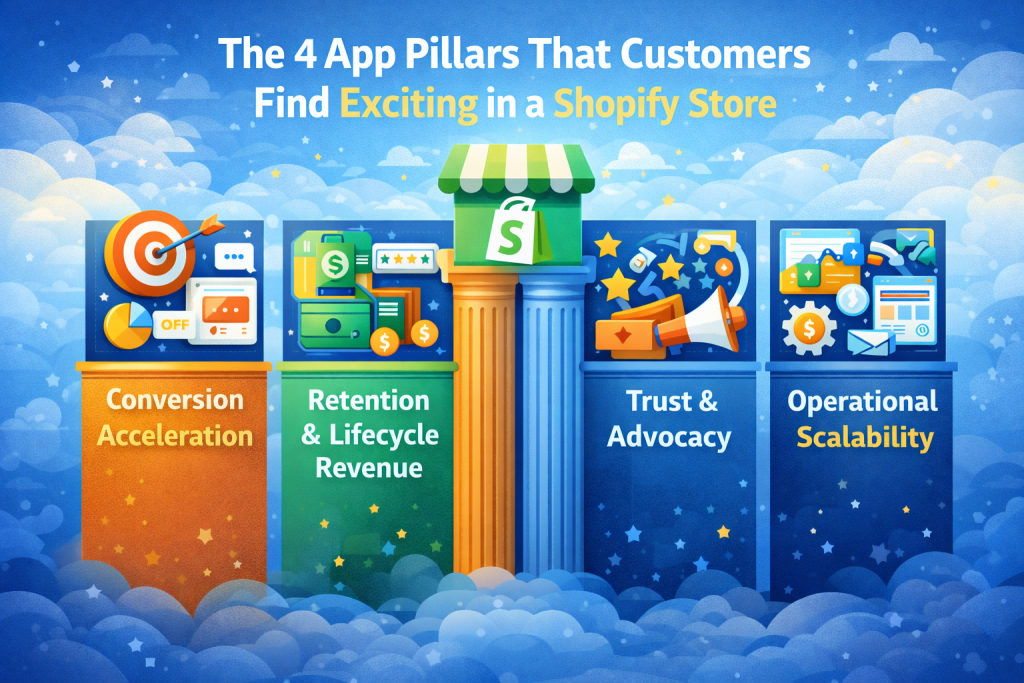
- Conversion Acceleration
Apps that actively drive buying intent through personalized recommendations, proactive chat, social proof, or targeted offers. - Retention & Lifecycle Revenue
Tools that get customers coming back, improve repeat purchase rates, and increase revenue per customer. - Trust & Advocacy
And mechanisms like reviews, referral programs, and social proof that create trust, reduce purchase hesitation, and drive word of mouth growth. - Operational Scalability
Systems that automate repetitive tasks, centralize data, and deliver actionable insights to allow your team to eliminate manual processes and drive growth.
Comparison Table
| Tool / Platform | Best For | Features | Pricing | Rating |
|---|---|---|---|---|
| Zipchat | Conversion acceleration & revenue resilience | Product recommendations (AI), proactive chat, cart recovery, omnichannel support (WhatsApp, Messenger, Email), post-purchase automation | From $49/month | 4.9/5 |
| PushOwl | Retention & cart recovery | Browser push notifications, SMS & email campaigns, abandoned cart recovery, back-in-stock alerts | Free plan available; paid plans from $19/month | 4.8/5 |
| Klaviyo | Advanced lifecycle revenue & CRM | Deep segmentation, predictive analytics, automated flows, AI-powered recommendations, SMS & email integration | Free up to 250 contacts; paid tiers start from $25/month | 4.8/5 |
| Omnisend | Simplified multichannel automation | Drag-and-drop campaign builder, prebuilt automation workflows, segmentation, analytics | Free up to 500 emails; paid tiers from $5/month | 4.7/5 |
| ReferralCandy | Advocacy & word-of-mouth growth | Automated referral rewards, flexible incentives, affiliate tracking, performance analytics | From $39/month | 4.5/5 |
| Opinew | Social proof & conversion | Photo/video reviews, automated review collection, SEO-friendly widgets | Free plan; paid from $19/month | 4.4/5 |
| ContentStudio | Content & social management | AI content planning, scheduling, social listening, analytics dashboard | Plans start at $19/month | 4.7/5 |
| HubSpot | Centralized CRM & customer intelligence | Contact & deal management, email tracking, marketing automation, analytics | Free basic CRM; paid tiers from $9/month | 4.4/5 |
| Printify | Inventory-light product expansion | Custom product creation, global fulfillment, mockups, no upfront inventory | Free to start; product costs + premium $24.99/month | 4.7/5 |
The 9 Essential Apps
A serious Shopify store in 2026 isn’t simply a tech platform with products and traffic; it’s powered by a carefully assembled app ecosystem designed to both increase revenue as well as strengthen customer relationships, and protect margins.
The following 9 must-have apps range from AI-powered conversational commerce like Zipchat to marketing automation, referral growth engines and service social proof tools to operational enablers that are all growth levers ensuring visitors turn into buyers, customer retention is in place and cost-effective operations are scaled.
Each app is chosen for its ability to deliver measurable business results. This makes them a must-have for forward-thinking Shopify merchants.
1. Zipchat — Conversational Commerce Revenue Engine
If you want a great app that does more than just answer customers’ questions, Zipchat is the real deal. Zipchat is made to transform Shopify traffic into revenue. Unlike other ecommerce apps that are support-oriented, Zipchat combines AI, automation, and sales psychology to connect with shoppers at the perfect moment.
The result? More conversations, better conversion rates, and lower pressure on your support team! Zipchat really doesn’t feel like a typical chatbot. It’s like a savvy sales rep who knows your products, has an understanding of shopper intent, provides recommendations to shoppers actively, and nudges them toward checkout.
If you are focusing heavily on speed, precision, and impact on sales for your ecommerce website, Zipchat provides the most well-rounded experience for fast growing ecommerce brands.
Features
- AI that initiates conversations proactively according to shopper behavior
- Personalized product recommendations sourced from your own Shopify catalog
- Quick replies to questions like shipping, returns, sizing, and more
- Native upsell and cross-sell logic to increase AOV
- Webchat + Email + WhatsApp Multi-channel messaging
- Zero-code setup with guided onboarding
Financial Impact:
- Conversion lift potential: 5–20%
- Reduced support staffing costs through automation
- Higher average order value through guided selling
Pricing: From $49/month (based on usage)
Rating: 4.9/5
2. PushOwl — Retention & Cart Recovery Engine
PushOwl is a multichannel retention platform that allows businesses to re-engage customers and recover lost sales through email, SMS, and push notifications. PushOwl enables Shopify stores to turn visitors into repeat customers on autopilot with automated abandoned cart messages, back-in-stock notifications, and personalized campaigns.
Features:
- Abandoned cart recovery automation
- Back-in-stock and product availability alerts
- Segmented push notifications for targeted campaigns
- Integrating with Shopify analytics to measure performance
Pricing: Free plan available; paid plans from $19/month
Rating: 4.8/5
3. Klaviyo — Advanced Lifecycle Revenue CRM
Klaviyo is a marketing automation platform that enables click-based data for stores to deliver personalized shopping experiences through email and SMS. Fields like deep segmentation, predictive analytics, and highly-automated lifecycle flows make the right message delivered to the right people at the right time, which means higher retention and revenue.
Features:
- Deep segmentation and behavioral targeting
- Predictive analytics for revenue forecasting
- Automated flows for welcome, abandoned cart, and post-purchase campaigns
- Integration with Shopify for email as well as SMS
- AI-powered product recommendations
Pricing: Free up to 250 contacts; paid tiers start at $25/month
Rating: 4.8/5
4. Omnisend — Simplified Multichannel Automation
Omnisend is your all-in-one ecommerce smart marketing automation platform that helps online businesses to run email, SMS, and push notification campaigns from one simple dashboard. It allows brands to create subscriber lists, automate personalized messages, and perform targeted campaigns that convert their visitors into customers.
It streamlines complex marketing processes through built-in AI tools, seamless integration capabilities, and user-friendly features.
Features:
- Email, SMS, and push automation
- Drag-and-drop email builder with personalization
- Ready-made work processes (e.g., forsaken cart, welcome setup)
- Content generation and effective audience segmentation with AI Integrations with Shopify, WooCommerce, Wix, etc
Pricing: Free plan up to 500 emails; paid plans from $5/month
Rating: 4.7/5
5. ReferralCandy — Advocacy & Word-of-Mouth Multiplier
ReferralCandy is a referral marketing platform that enables ecommerce brands and businesses turn customers and partners into advocates through rewards, discounts, cash, or store credit. It makes it easy to launch successful referral campaigns that lower CAC and also monitor performance in real time through an analytics console.
It is quick and easy to set up, and it integrates with many of the major ecommerce tools to provide scalable, cost-effective growth through word-of-mouth marketing.
Features:
- Branded pages and links are automatically generated and controlled for referral and affiliate programs
- Offers different types of reward programs (discounts, store credits, cash payments, gift cards) and multi-level incentive structures
- Analytics, fraud detection & real-time tracking for measuring program performance
- Seamless integrations with ecommerce platforms & marketing tools
- Customizing the referral experience (widgets, emails, landing page) according to brand identity
Pricing: From $39/month
Rating: 4.5/5
6. Opinew — Social Proof & Conversion Trust Layer
Opinew is a Shopify app that collects and displays customer reviews, enhancing trust and boosting conversions. t supports rich content, including photos and videos, and integrates natively with Shopify stores to bring user-generated content front-and-center for the buying experience.
Features:
- Automated collection of product reviews
- Photo and video reviews for enhanced social proof
- SEO-friendly review widgets
- Customizable display layouts
- Integration with email and marketing campaigns
Pricing: Free plan; paid plans from $19/month
Rating: 4.4/5
7. ContentStudio — Content & Social Growth Engine
ContentStudio is an all-in-one content marketing and social management platform for Shopify merchants to plan, create, schedule & analyze all your content in one place. It enables stores to drive engagement and top-line growth in the funnel using AI-generated content and analytics.
Features:
- AI-powered content planning and creation
- Social media scheduling and automation
- Analytics and performance reporting
- Content discovery and curation tools
- Collaboration features for teams
Pricing: Plans start at $19/month with a free trial
Rating: 4.7/5
8. HubSpot CRM — Customer Intelligence Backbone & Email Marketing
HubSpot CRM is a one-stop shop that brings customer data, sales, and marketing all into one platform. It allows Shopify stores to make informed decisions by tracking the entire lifecycle of leads and customers, retaining customers, and streamlining operations.
Features:
- Contact and deal lifecycle management
- Email tracking and sequences
- Marketing automation tools
- Analytics dashboards and reporting
- Shopify and other sales tool integrations
Pricing: Free basic CRM; paid plans from $9/month
Rating: 4.4/5
9. Printify — Inventory-Light Product Expansion
Printify is a print-on-demand platform that enables Shopify merchants to sell custom products without having any inventory upfront. It connects to a worldwide network of print partners, allowing for low-risk product testing and expansion into other categories.
Features:
- On-demand product creation and mockups
- Global fulfilment network so you can ship fast
- No upfront inventory requirements
- Shopify and other ecommerce platforms integration
- Customizable branding options
Pricing: Free to start; premium plan $24.99/month + product costs
Rating: 4.7/5
Diagnostic Framework: Why Your Shopify Store Isn’t Scaling
Even with traffic and products, many Shopify stores can’t scale because revenue, retention, and operations aren’t optimized to work together. This diagnostic framework will allow you to spot crucial weaknesses and prioritize fixes.
1. Low Conversion Rate?
If your ecommerce site attracts visitors but few convert, it may be due to:
- Trust Layer Missing: In the absence of reviews, social proof, or explicit guarantees, buyer conviction is lost.
- Poor conversational commerce: lack of proactive engagement or guided shopping experience leaves visitors undecided.
- Bad UX: Long loading times, a complex checkout process, or unclear navigation are frustrating potential buyers.
2. High Traffic, Low Revenue?
Generating visitors without corresponding revenue signals retention and monetization gaps:
- No retention automation: Customers aren’t nurtured post-purchase or through lifecycle campaigns.
- No cart recovery: Abandoned carts are not being reclaimed through automated reminders.
- Poor segmentation: Generic marketing messages fail to resonate with specific customer segments.
3. Good Revenue, Low Profit?
Revenue alone doesn’t equal profitability. Look for operational and efficiency issues:
- CAC too high: Paid acquisition costs outweigh the lifetime value of customers.
- Too many redundant apps: Overlapping tools increase costs without measurable benefits.
- Weak referral engine: Missing or ineffective advocacy programs fail to capture organic business growth opportunities.
ROI Scenario: $100K/Month Shopify Store
This scenario illustrates the tangible impact of implementing a well-curated 2026 app stack:
Before Stack Optimization
- Conversion rate: 2%
- Repeat purchase rate: 20%
- Cart abandonment: 70%
After Implementing the 2026 Stack
- Conversion rate: 2.8% (+40% improvement)
- Repeat purchase rate: 30% (+50% improvement)
- Cart abandonment recovery: 15%
- Incremental revenue potential: +$18K–$35K per month
By combining apps that optimize conversion, retention, and automation, a store can experience significant ecommerce success and increase revenue without additional traffic or ad spend.
2026+ Future Outlook
Looking forward, Shopify merchants must prepare for a rapidly evolving ecommerce landscape where AI and automation reshape customer expectations:
- AI shopping agents browsing for users: Personal shopping bots will drive purchase decisions.
- Predictive personalization engines: AI-powered recommendations will be based on real-time customer behavior.
- Zero-click search & AI answers: Consumers will expect instant answers without traditional search or product discovery.
- First-party data dominance: Ownership and intelligent use of customer data will determine competitive advantage.
- Revenue resilience > traffic growth: Stores that optimize conversion, retention, and automation will outperform those relying solely on ad-driven traffic.
Mobile Ecommerce Apps
Mobile commerce will continue to dominate, with shoppers expecting fast, intuitive, and personalized mobile experiences. Mobile ecommerce apps will not simply reflect their web versions; they will take advantage of push notifications, in-app AI assistants, and other forms of one-click checkout systems to increase interaction and conversions.
Merchants that adopt these mobile-first strategies and integrate them with their Shopify app stack will see the largest growth of the on-the-go buyers and enjoy a competitive edge advantage into 2026 and beyond.
Conclusion
Serious Shopify stores don’t use random apps; they make systems that grow revenue, lower friction, and protect margins. In 2026, revenue resilience is better than growth hacks.
While PushOwl is good for customer retention, Klaviyo offers a better deal for lifecycle marketing, and Printify gives you a good option to scale a product’s low-risk offerings.
If you want a great app that does more than just answer customers’ questions, but rather acts like your digital salesman, offers proactive engagement, provides recommendations to shoppers actively, and nudges them toward checkout, Zipchat is the real deal.
Christmas is just around the corner, and shoppers everywhere are on the hunt for unique gifts, festive décor, and holiday essentials. For dropshippers, this season presents a golden opportunity to boost sales and reach new customers—but only if you know what products to sell and how to market them effectively.
In this guide, we’ll walk you through:
-
Why Christmas products are a hot niche and how consumer behavior drives seasonal sales
-
How to choose the right items for dropshipping success
-
Marketing tips that actually work to attract festive shoppers
-
Sourcing & fulfillment strategies to make sure your products arrive on time and in style
Whether you’re a seasoned dropshipper or just starting out, this guide will help you make the most of the most wonderful shopping season of the year.
Why Sell Christmas Products via Dropshipping
The holiday season—especially Christmas—is that magical time when people suddenly go gift‑crazy. Think festive décor, cozy apparel, and fun little gadgets. If you’re a dropshipper, this is prime time to catch shoppers who are ready to click “buy” almost on impulse.
1. People Love to Shop (and Early!)
Christmas shoppers don’t wait until December 24. Many start browsing and buying way before November, with 42% of U.S. holiday shoppers already planning their purchases early. Even McKinsey found that early holiday shopping is a growing trend—people want to avoid the last‑minute rush and make sure they snag the perfect gift.
For us as sellers, this means: get your Christmas products listed early, and you can grab those eager shoppers before your competitors do.
2. Holiday Shopping = Big Bucks
How big is the Christmas shopping window? Big. NRF expects U.S. holiday retail sales from November 1 to December 31 in 2025 to top $1 trillion, growing around 3.7%–4.2% year-over-year. And each shopper is ready to spend roughly $890 on gifts, décor, and seasonal goodies. (nrf.com)
In short: people are in the spending mood, and they have wallets ready. Dropshipping sellers can ride that wave without worrying about stocking a warehouse full of seasonal products.

Source: NRF
3. Dropshipping Just Makes Sense
Why is dropshipping perfect for Christmas products? Because it’s flexible.
- No big upfront inventory: Seasonal items sell fast, but if you stock too much, you’re stuck after the holidays.
- Quick to market: Spot a trending Christmas item? List it immediately.
- Global reach: Lightweight gifts and décor ship easily to Europe, the U.S., and beyond.
- Fits hot product types: Holiday décor, cute accessories, small gadgets—exactly what shoppers are hunting for.
4. Timing Is Everything
Shoppers are getting earlier every year, and Christmas shopping is driven by emotion. To win, plan ahead. Get your products ready, set up your marketing, and make sure your supply chain can handle the rush. Platforms like HyperSKU can help you get trending items to customers fast, with custom packaging and reliable fulfillment.
Christmas is short, sweet, and super profitable. Nail the timing, pick the right products, and you can turn this festive frenzy into serious sales.
How to Choose the Right Christmas Dropshipping Products
Picking the perfect Christmas products for your store isn’t just about what looks festive—it’s about what sells. Here’s how to make smart choices that can actually turn clicks into sales.
1. Think Seasonal but Evergreen
Christmas shoppers love holiday-specific items, but the best products often have a life beyond December. Think: cozy winter scarves, cute holiday décor, or fun gadgets that could also work as New Year gifts. These products hit the festive vibe and stay useful enough to avoid being “one-season wonders.”
2. Focus on Emotion + Gift Potential
Christmas is all about giving. Products that spark emotion, look charming, or feel personal tend to fly off the virtual shelves. Giftable items—like ornaments, festive apparel, or novelty gadgets—usually see strong impulse buys. Ask yourself: Would I be excited to give or receive this as a gift? If yes, it’s probably a winner.
3. Size, Weight & Shipping Matter
Remember, you’re dropshipping. Bulky or heavy products = higher shipping costs and longer delivery times. Lightweight, compact items are much easier to ship internationally and reduce headache for both you and your customer.
4. Trend + Demand Check
Use tools like Google Trends to see what’s trending. Seasonal spikes matter: a Christmas ornament might sell steadily for one week, then vanish from search interest. Check past years’ trends and see what’s predicted to be hot this season.
5. Don’t Forget Customization & Branding Opportunities
Products that can be personalized—think engraved ornaments, custom bracelets, or branded gift sets—can command higher prices and stand out from generic listings. Platforms like HyperSKU make it easier to offer custom options without holding inventory yourself.
6. Quick Tip: Combine Fun + Practical
The best Christmas dropshipping products strike a balance: festive, fun, and practical. For example, a cute puppy candle holder is decorative, useful, and giftable—all in one. That’s the kind of product that converts.
Top 15 Hot Christmas Dropshipping Products for 2025
The Christmas shopping frenzy is real—and if you want to ride the wave, you need the right products on your store. These 15 hot Christmas dropshipping items are exactly what shoppers are hunting for this season: fun, festive, giftable, and perfect for spreading holiday cheer. Whether it’s a cozy winter accessory, a quirky decoration, or a unique gift, these picks are ready to fly off the virtual shelves.
Here’s the list of must-have Christmas products you can start offering right now:
1. Paper-Cut Calendar
Bring a sprinkle of holiday magic to any desk with this whimsical paper-cut calendar featuring tiny treehouse sticky notes. Perfect as a little festive gift or a fun souvenir—it keeps everyone organized and smiling.

2. Cute Baby Clothes
Cozy, soft, and bursting with fun cartoon or festive designs, these outfits make adorable holiday photos. Parents love them for their cuteness and practicality, while gift-givers appreciate a present that melts hearts instantly.

3. Puppy Candle Holder
This little resin puppy isn’t just cute—it holds candles too. Place it on a table or shelf for warm, cozy vibes, or gift it to a pet lover who enjoys a touch of whimsy at home.

4. Red Winter Scarf
Wrap yourself in warmth—and style! This red winter scarf is versatile, cozy, and perfect for students, office-goers, or casual outings. A go-to holiday accessory that doubles as a thoughtful gift.

5. 304 Outdoor Dining Set
Sturdy, portable, and customizable with logos or patterns, this stainless steel dining set is ideal for holiday picnics or family gatherings. Makes your festive outdoor meals practical and Instagram-ready.

6. Wooden Essential Oil Diffuser
Handcrafted from natural wood, this diffuser fills a room with holiday scents while looking charming on any table. Great for gifting or turning your own space into a cozy winter haven.

7. Xmas Bracelets
Customizable, high-quality bracelets featuring classic festive elements. Perfect as stocking stuffers or small gifts that carry personal meaning, adding sparkle to holiday celebrations.

8. Jewelry Box
Eco-friendly cork, handcrafted finish, and just enough charm to delight anyone. Perfect for keeping treasures safe, gifting, or adding a rustic touch to holiday décor.

9. Xmas Tree Ornament
A 90 CM snow-covered ornament that adds all the festive charm without hogging space. Ideal for apartments, offices, or cozy corners, instantly creating a cheerful centerpiece.

10. Wooden Comb
A folding, portable, anti-static beech wood comb—small, practical, and surprisingly sentimental. Perfect for gift bundles or stocking stuffers, like the little treasures in O. Henry’s “The Gift of the Magi.”

11. Christmas Skeleton Jumpsuit
Stretchy, form-fitting, and printed with bold designs. Ugly sweaters aren’t the only thing trending—this jumpsuit steals the spotlight at every holiday party, perfect for laughs and social media snaps.

12. Christmas Elf Theme Colorful Dice
Bright, playful, and elf-themed—these dice turn any gathering into a mini holiday game night. Perfect for gift exchanges or adding extra cheer to family fun.

13. Hand-Painted Christmas Balls
Classic red, white, and green hand-painted balls that instantly make a tree feel festive. Ideal for gifting, decorating, or just sprinkling a little holiday magic around the house.

14. Linen Christmas Tree Ornaments
Lightweight, neutral linen ornaments for hanging or decorating holiday scenes. Works with any style and adds a touch of cozy charm to your festive setup.

15. USB Electric Hand Warmer
Cute and portable, this USB-rechargeable hand warmer keeps hands toasty during chilly winter days. It’s practical, giftable, and especially popular among students and office workers—perfect as a small souvenir or thoughtful stocking stuffer.

Want more festive bestsellers?
Explore our Christmas Catalog — packed with ready-to-sell, trending holiday products your customers will love.
How HyperSKU Supports You During the Q4 Rush
Q4 brings the highest order volume of the year, and reliable fulfillment becomes essential for keeping customers happy. HyperSKU provides the infrastructure and support you need to stay fast, stable, and competitive throughout the season.
1. Faster Delivery With Strategic Warehousing
HyperSKU operates two US warehouses (Los Angeles & California) that enable domestic delivery in as fast as 2–5 days.
Pre-stocking locally helps you:
-
Avoid peak-season international shipping delays
-
Reduce air-freight costs by bulk shipping early
-
Secure inventory for key dates
-
Maintain stable delivery performance during order spikes
US warehouse access is limited and available upon request. Please speak with your dedicated agent for details.
2. Dedicated Support When It Matters Most
During the holiday rush, quick support prevents lost sales. HyperSKU provides 24/7 live chat with real agents on rotating shifts to help with:
-
Real-time sourcing and price checks
-
Stock monitoring and replenishment advice
-
Fulfillment or logistics troubleshooting
-
Faster escalation during peak hours
This ensures your operations stay smooth even on the busiest days.
3. BrandLift Services for Holiday-Ready Packaging
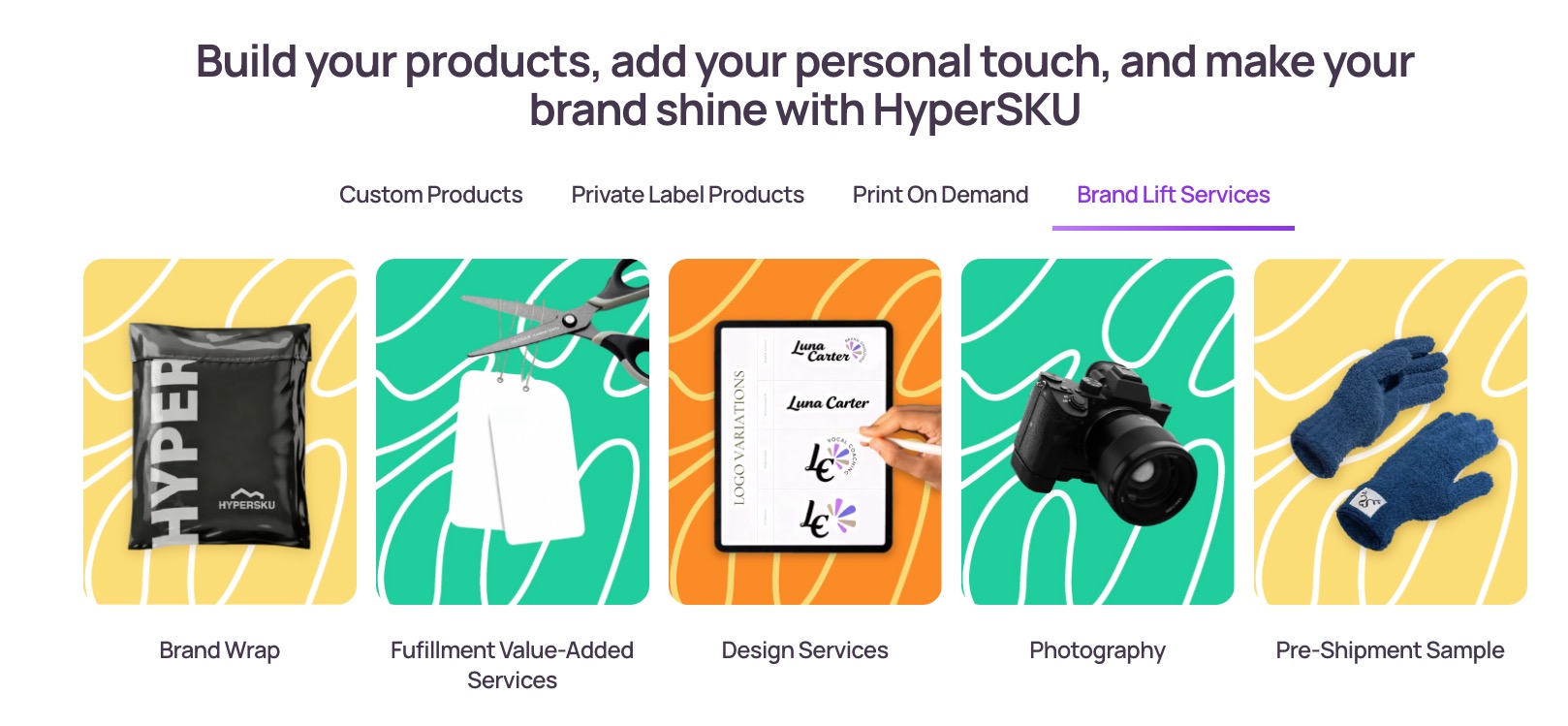
A strong unboxing experience boosts trust, reviews, and repeat sales. With BrandLift, you can:
-
Add protective, reinforced packaging
-
Include custom thank-you cards
-
Use brand wraps and custom packaging
-
Offer POD and private-label options for unique holiday products
These enhancements help your brand stand out in a crowded holiday market.
4. Seamless Store Integration & Automated Fulfillment
HyperSKU integrates directly with Shopify, WooCommerce, BigCommerce, Etsy, TikTok Shop, and more. Once connected:
-
Orders sync automatically
-
We pick, pack, and ship for you
-
Tracking updates return to your store
-
Manual workload decreases significantly
Automation keeps your store stable and efficient even during rapid Q4 growth.
Christmas Dropshipping Made Easy: Sourcing & Fulfillment Tips
Efficient logistics and smart preparation are the backbone of successful Christmas sales. Here’s how to optimize your operations:
1. Work With Reliable, High-Capacity Suppliers
Ensure your partners can meet rising holiday demand with consistent quality and responsive communication. HyperSKU’s network of vetted suppliers ensures your products are ready for festive sales without last-minute headaches.
2. Use Warehouses Near Key Markets
Using warehouses near major markets can cut shipping time dramatically. HyperSKU offers fulfillment from China to top markets like the US, UK, and Europe, allowing delivery in 5–10 days, perfect for holiday shoppers who expect fast shipping.
3. Leverage Pre-Packaging & Customization
Holiday shoppers love a complete, gift-ready experience. With HyperSKU’s Brandlift Package, you can pre-package products, add thank-you cards, or even design custom boxes, so your items arrive looking festive and thoughtful.


4. Choose the Best Shipping Routes
HyperSKU helps you balance cost and speed by selecting the most efficient routes for seasonal demand.
5. Keep Orders & Tracking Transparent
Tracking builds trust. HyperSKU’s platform lets you monitor all shipments in one dashboard for smoother support and communication.
6. Plan Ahead for Peak Season
Avoid stockouts and delays by preparing early. HyperSKU helps you scale fast without sacrificing delivery speed or product quality.
Key Takeaway
Holiday success depends on more than just product selection. With strategic warehousing, dedicated support, strong brand packaging, and automated fulfillment, HyperSKU helps sellers deliver faster, reduce risk, and stay competitive throughout Q4.
Focus on growth — HyperSKU handles the rest.
Final Thoughts
Christmas dropshipping is all about timing, creativity, and customer experience. By selecting festive products, leveraging gift-tier strategies, and adding thoughtful touches like custom packaging or thank-you cards with HyperSKU’s Brandlift Package, you can make your store stand out this holiday season.
Remember: the holidays are a time when shoppers are looking for convenience, inspiration, and memorable gifts. Focus on creating an enjoyable buying experience, and your customers will come back year after year.
Start early, stay organized, and let the magic of Christmas drive your sales. With the right products, marketing, and fulfillment strategy, you can turn the busiest shopping season of the year into a profitable one.
Frequently Asked Questions About Christmas Dropshipping Products
Q1: What to sell at Christmas time to make money?
A: Focus on products that are popular, giftable, and easy to ship. Items like festive décor, small tech gadgets, novelty gifts, and themed clothing tend to sell consistently. Using a gift-tier strategy helps cover all budgets and maximizes sales.
Q2: What is the most requested Christmas gift?
A: According to surveys and trend reports, toys, tech gadgets, personalized items, and cozy apparel are among the most requested gifts. Shoppers are looking for items that are thoughtful, practical, and easy to give.
Q3: When should I start selling Christmas products?
A: Ideally, late October to early November. Shoppers start browsing early, and early launch gives you time to test campaigns, optimize listings, and build momentum.
Q4: How can I make my products more giftable?
A: Focus on small bundles, customizable options, and festive packaging. HyperSKU’s Brandlift Package can help you add thank-you cards, gift boxes, or custom branding for that extra wow factor.
Q5: How do I ensure products arrive on time?
A: Partner with reliable suppliers and use warehouses near key markets. HyperSKU offers fast, cost-effective shipping routes from China, delivering to major markets in 5–10 days. Provide tracking info to keep customers informed.
Q6: What products sell best for Christmas dropshipping?
A: Seasonal decorations, giftable gadgets, cozy clothing, and quirky novelty items usually perform well. Check trends on TikTok, Instagram, and Google Trends to identify hot items.
Q7: How do I handle high holiday demand?
A: Plan inventory in advance, use fulfillment partners like HyperSKU to scale efficiently, and communicate clearly with your customers. Automation tools for order tracking and stock management can also save time.
The pet industry is booming, and 2025 is shaping up to be a record-breaking year for pet product sales worldwide. From playful cats knocking things off shelves to loyal dogs wagging their tails at every treat, and even small pets and exotic companions stealing the spotlight, people are spending more than ever to keep their furry (and not-so-furry) friends happy, healthy, and entertained.
For entrepreneurs, that’s great news: dropshipping pet products is shaping up to be one of the most profitable niches in 2025. The best part? You don’t need to stress about inventory or shipping logistics. Instead, you can focus on the fun stuff—curating trending products, sprucing up your store, and connecting with pet-loving customers—while your suppliers handle the rest.
In this blog, we’ll dive into 30 fur-tastic dropshipping pet products for 2025, share reliable supplier tips, and give you practical insights to help your store thrive. Whether you’re a seasoned dropshipper or just testing the waters, you’ll find plenty of ideas to get those tails wagging—and your sales climbing.
Why Pet Products Are a Hot Dropshipping Niche
The pet industry is experiencing steady and reliable growth, making 2025 a perfect time to enter the market through dropshipping. In the United States, sales are projected to rise from $147 billion in 2023 to $157 billion in 2025, according to the American Pet Products Association . On a global scale, the pet care market is also expanding significantly, with forecasts showing it will grow from $159.1 billion in 2022 to $236.1 billion by 2030, at a compound annual growth rate of 5.1%.Meanwhile, the way people purchase pet products is shifting—nowadays, 51% of buyers shop online, compared to 47% in-store, underlining a strong trend toward eCommerce. Together, these numbers reflect a market that is both expanding and adapting to digital shopping trends—creating ideal conditions for dropshipping pet products in 2025.
This combination of steady market growth and a strong shift toward online shopping creates a perfect environment for dropshipping. With consumers actively seeking convenient ways to purchase high-quality pet products, entrepreneurs can leverage the dropshipping model to offer trending items without holding inventory. In the next section, we’ll explore 30 fur-tastic pet products that are ideal for dropshipping in 2025, helping your store tap into this growing market.
Top 30 Best Selling Dropshipping Pet Products in 2025
1. No-Tangle Double Dog Walking Leash with LED Lights
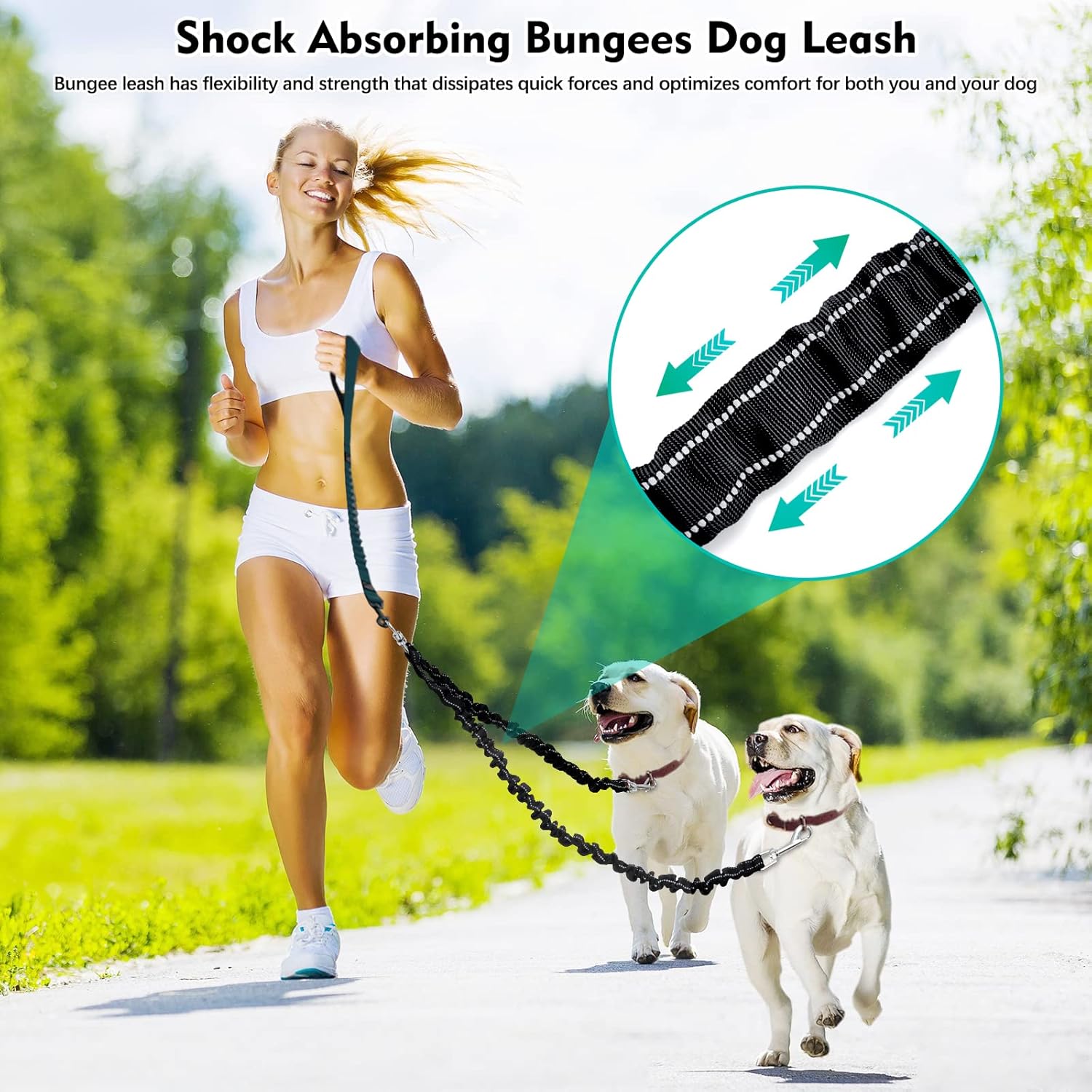
Walking two dogs at once can quickly turn into a tangle disaster. This innovative leash prevents tangling, allowing both dogs to explore freely. It features adjustable lengths for dogs of different sizes and includes LED lights for nighttime walks. Its combination of functionality and safety makes it a top dropshipping choice.
2. Interactive Puzzle Toy for Cats
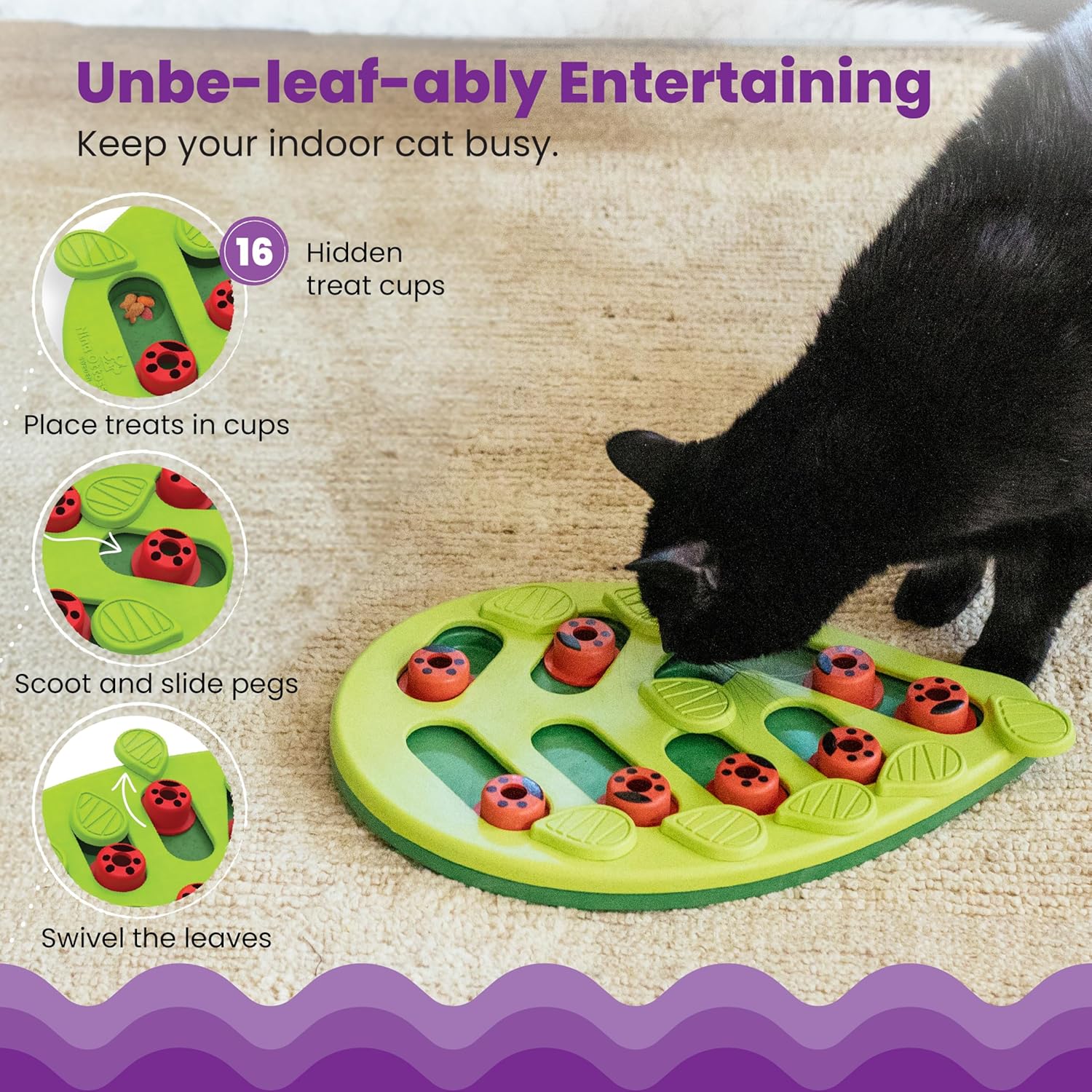
Cats can get bored easily, sometimes knocking over your favorite mug just for fun. This interactive puzzle toy challenges their minds while dispensing treats, keeping them entertained for hours. Small, lightweight, and easy to ship, it’s perfect for dropshipping and appeals to every cat parent looking to reduce boredom-induced chaos.
3. Organic Chicken Dog Treats
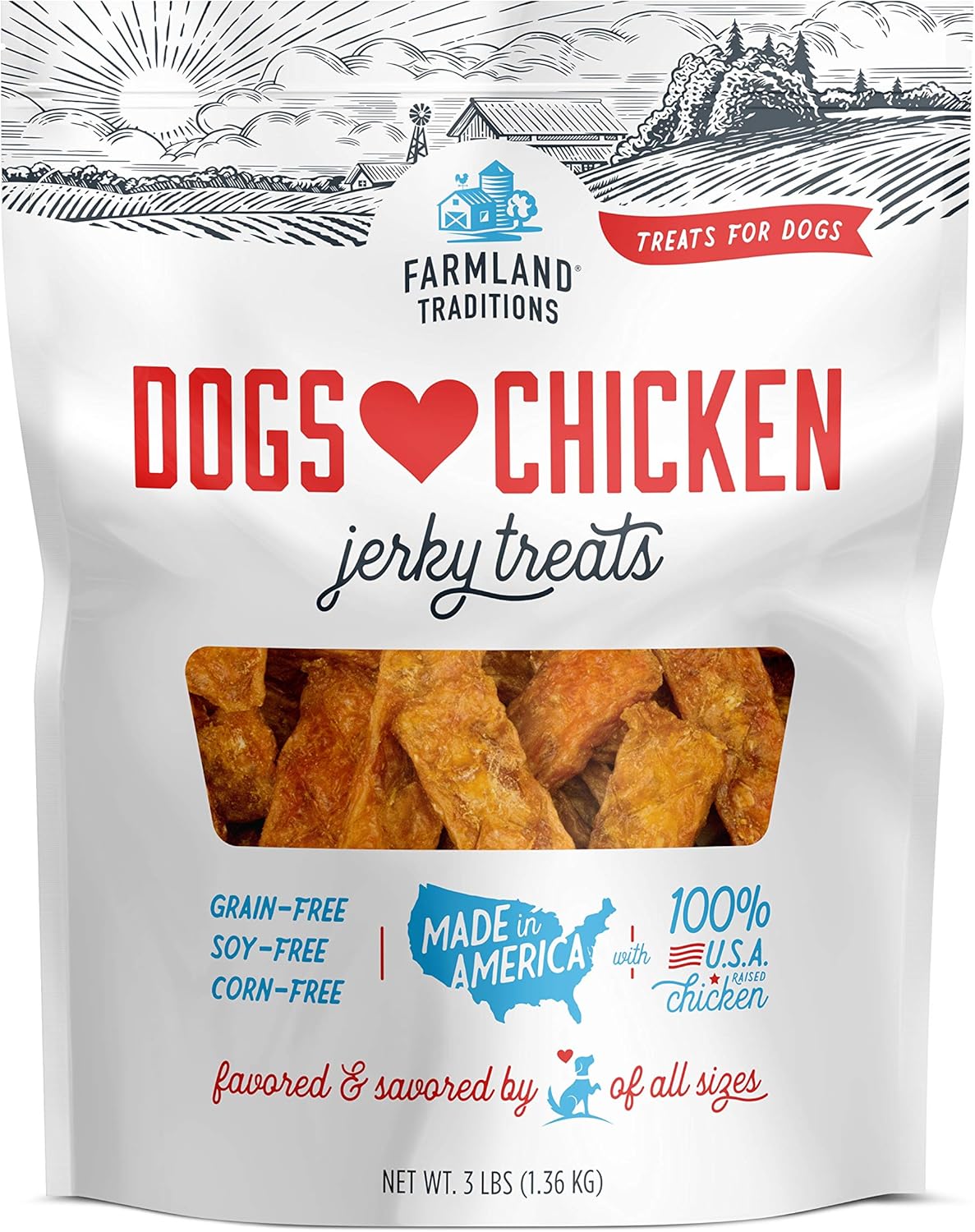
Pet owners are always on the lookout for treats that are both tasty and natural. These organic chicken treats satisfy dogs’ cravings while keeping them healthy. High repeat-purchase potential and compact packaging make them an excellent dropshipping product for gourmet-loving pups.
4. Adjustable Reflective Dog Collar
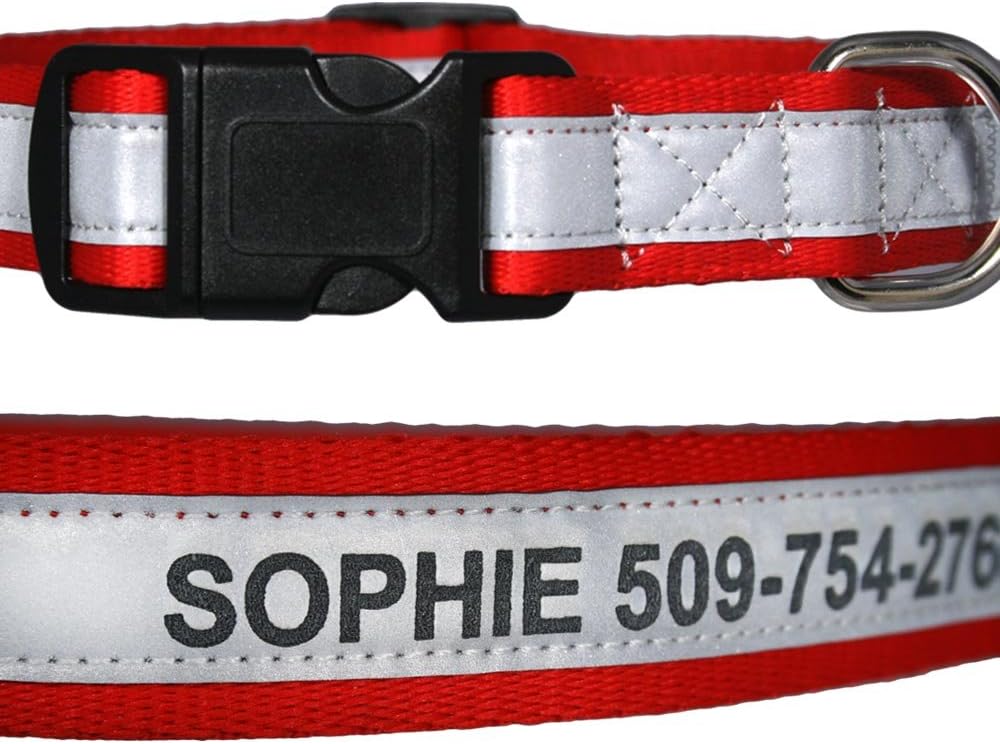
Night walks just got safer. This adjustable reflective collar fits dogs of all sizes and keeps them visible in low light. Its blend of comfort, style, and safety makes it a practical, in-demand dropshipping item.
5. Catnip-Infused Toy Mouse
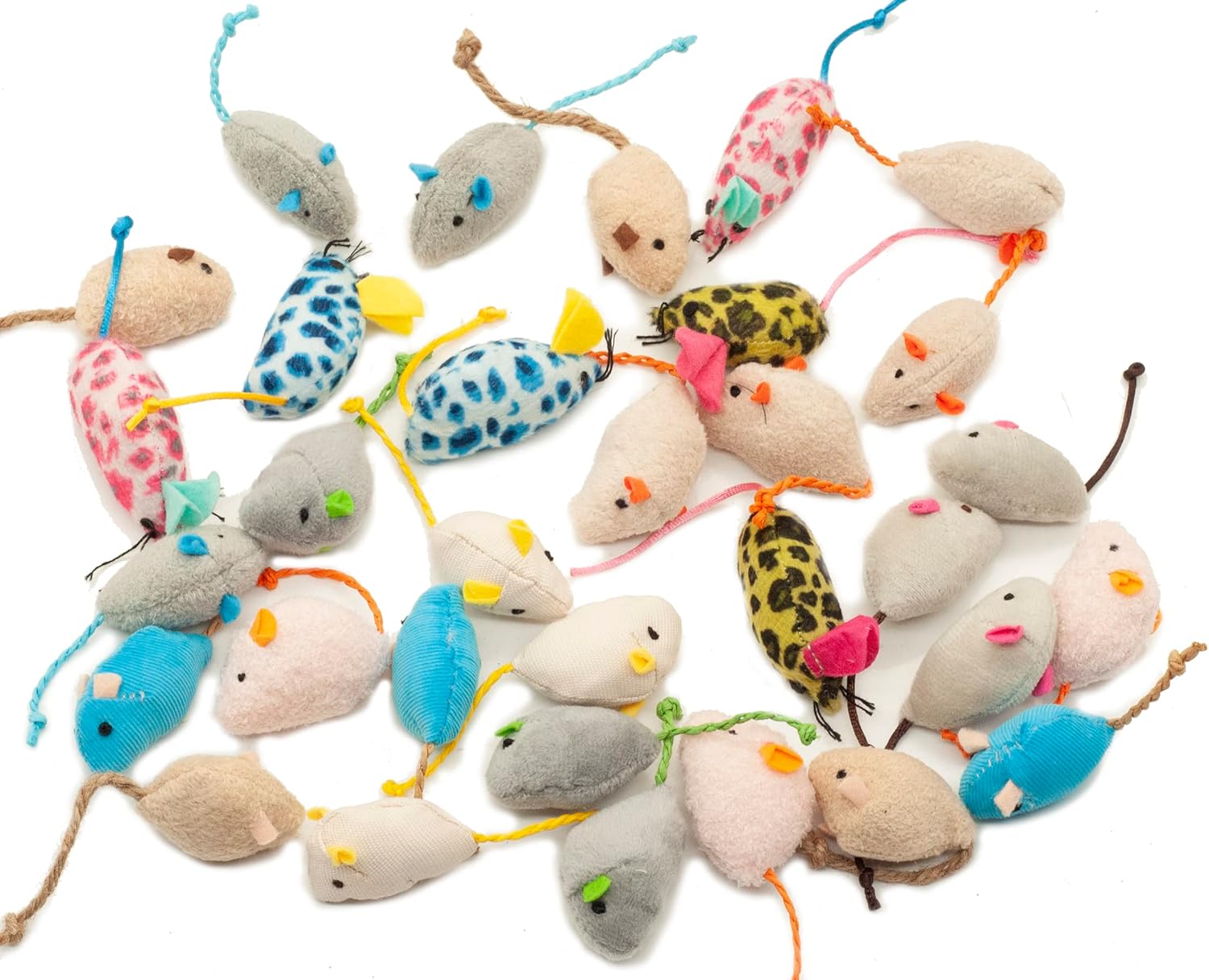
Cats love to pounce, chase, and occasionally attack your toes. This catnip-filled toy mouse keeps them engaged, providing both fun and exercise. Lightweight and easy to ship, it’s a high-engagement product perfect for dropshipping.
6. Portable Pet Water Bottle
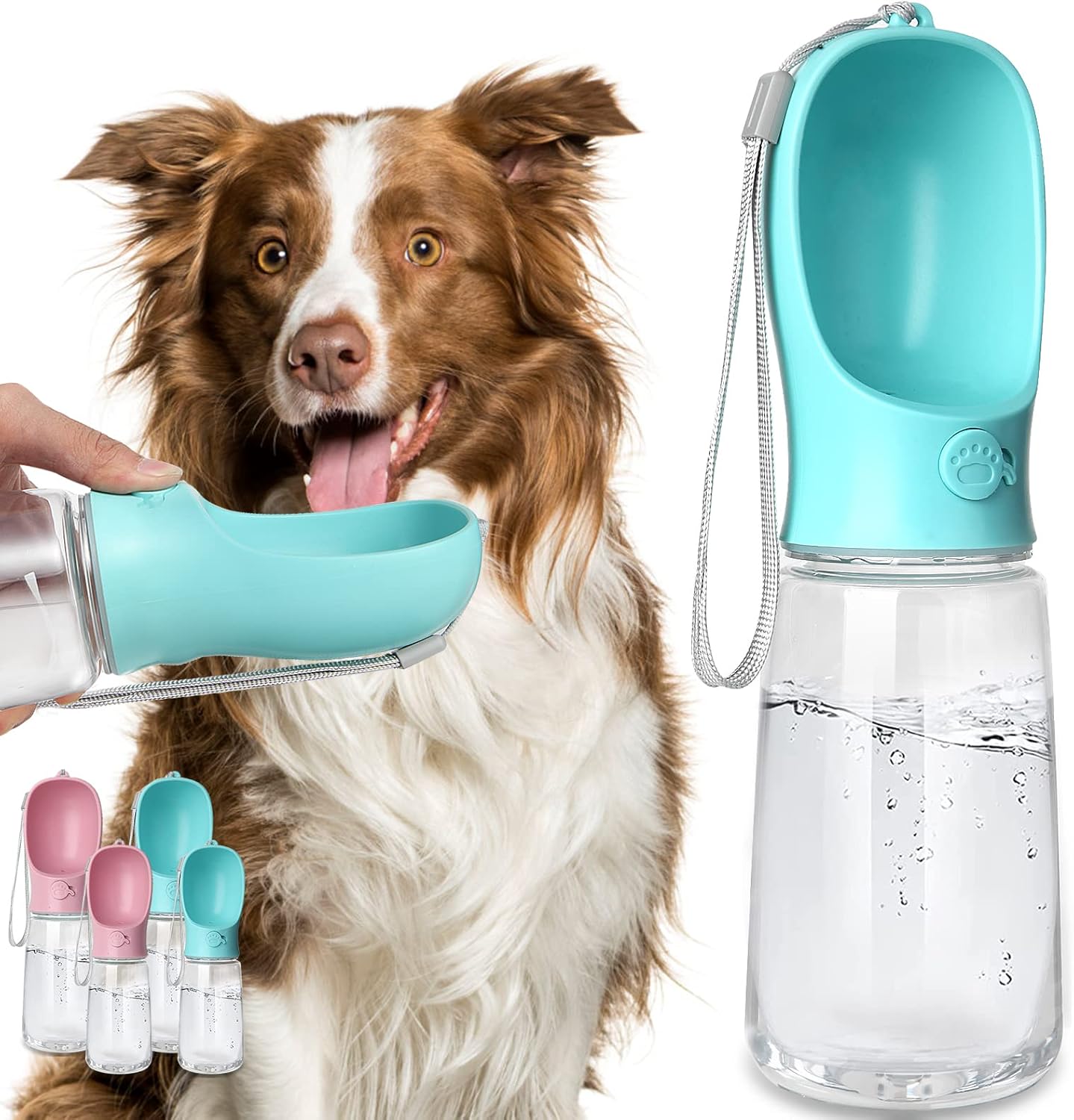
Hiking, walks, or road trips—these furry little guys get thirsty fast. This portable water bottle offers a quick, spill-free way to keep pets hydrated on the go. Compact and travel-friendly, it’s a practical dropshipping product that pet parents can’t resist.
7. Foldable Pet Travel Bed

Whether visiting grandma or camping in the woods, pets deserve comfort everywhere. This foldable travel bed is lightweight, portable, and easy to ship. Its convenience and comfort make it a must-have for pet-loving travelers and a perfect dropshipping item.
8. Smart Automatic Pet Feeder
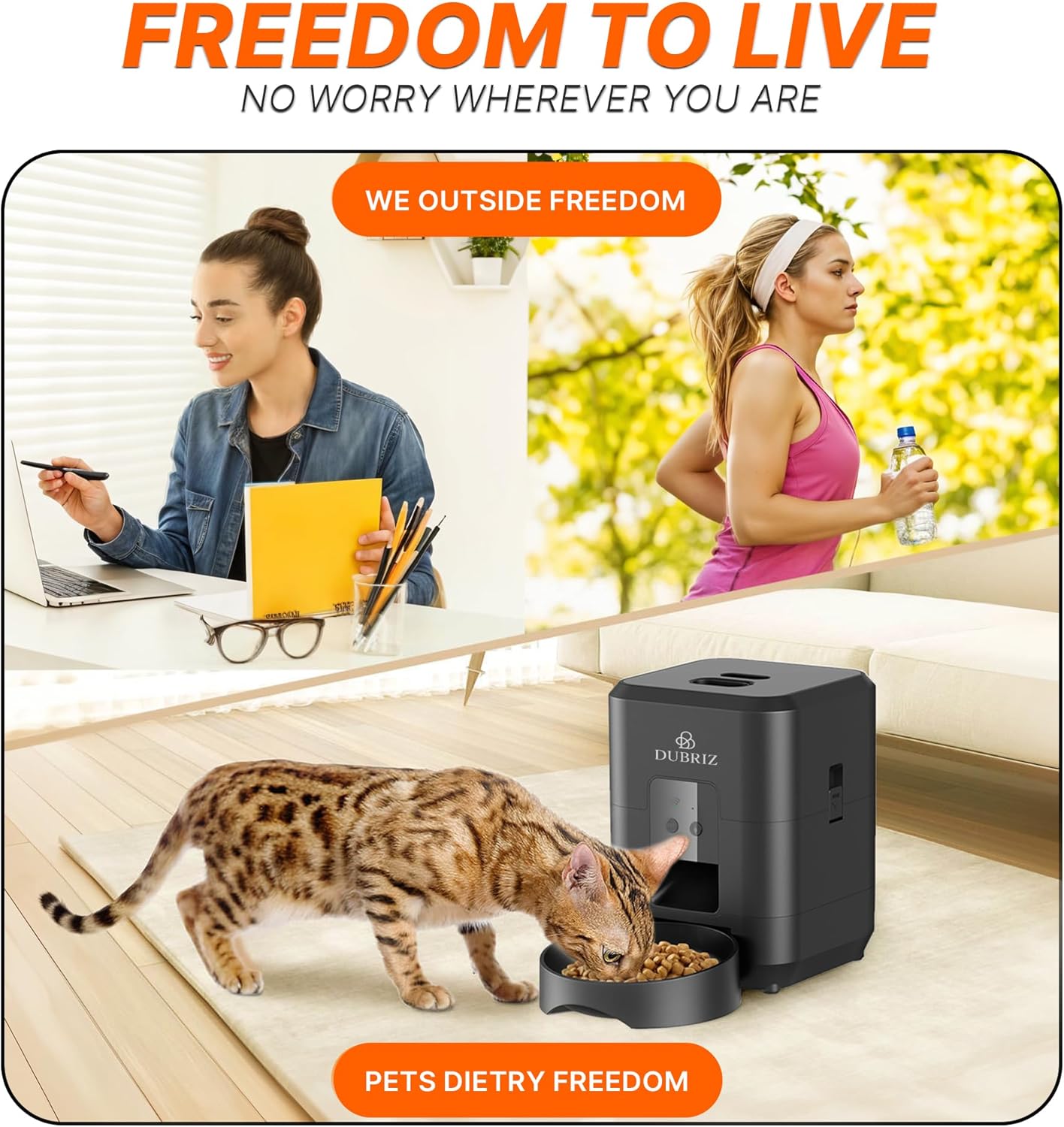
Busy pet parents rejoice! This smart feeder dispenses meals on schedule, ensuring pets are fed even when owners are away. High-tech appeal combined with practicality makes it a popular choice for online stores.
9. Dog Paw Protection Wax
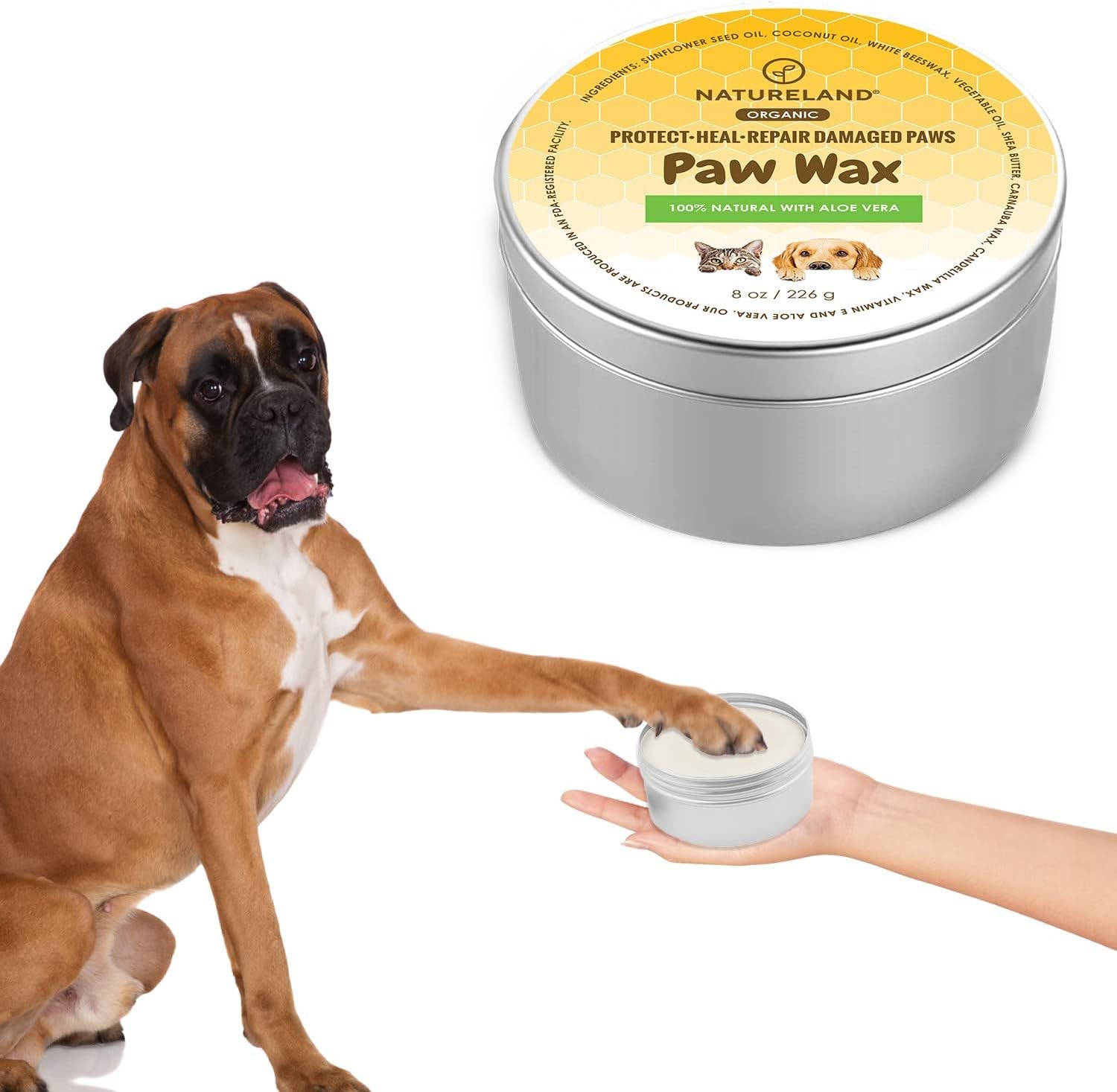
Hot pavement or winter salt can hurt paws, but this protective wax keeps them safe. Easy to apply and lightweight for shipping, it’s a niche product that caters to pet owners concerned about paw health.
10. Interactive Laser Toy for Cats

Keep indoor cats active and entertained without lifting a finger. This automatic laser toy encourages chasing and pouncing, helping reduce boredom and destructive behavior. Compact, fun, and repeatable, it’s ideal for dropshipping stores targeting playful cat owners.
11. Rabbit Chew Toy Set
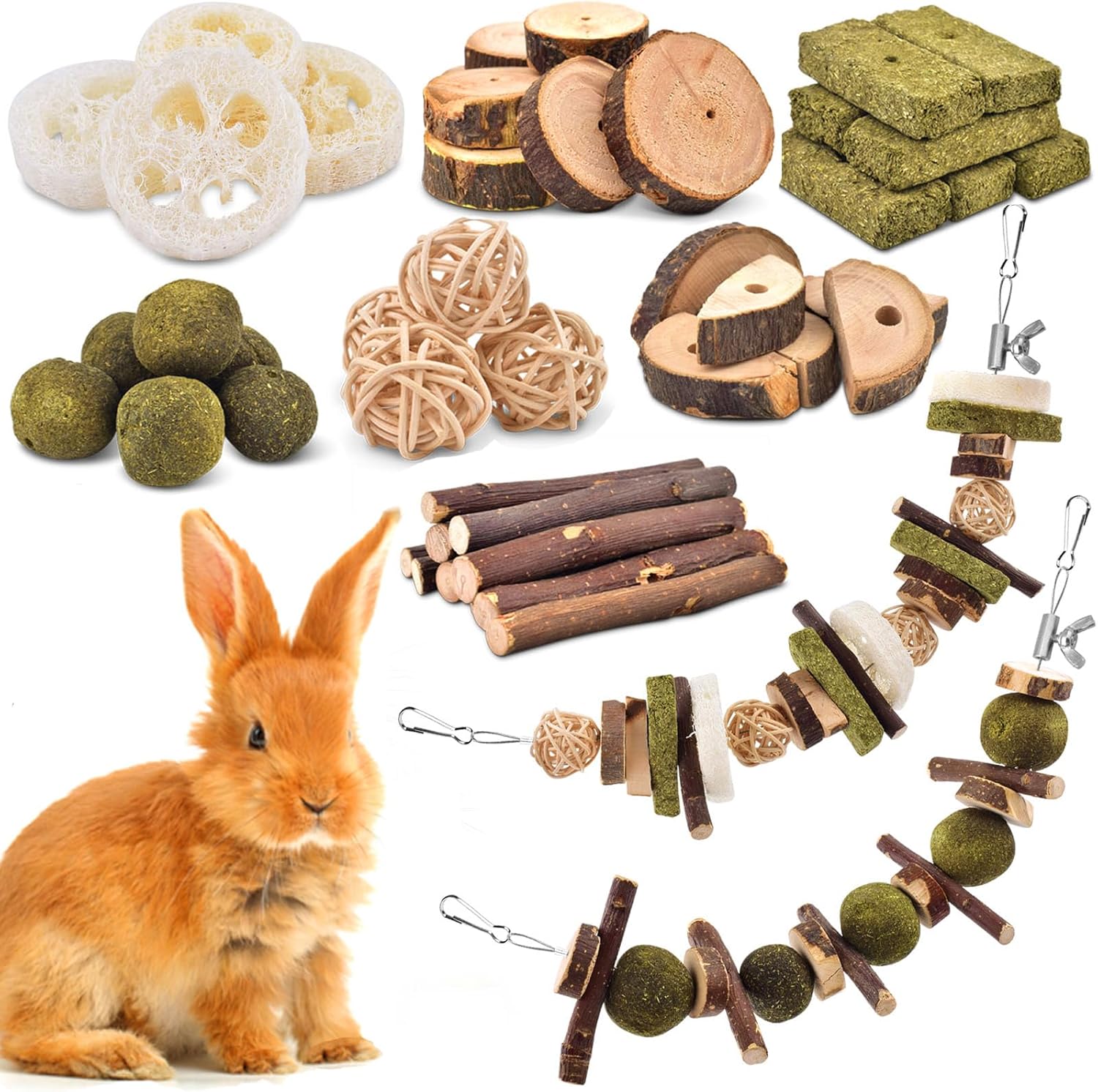
Rabbits love to nibble, but they can destroy furniture if left bored. This chew toy set keeps bunnies entertained and helps maintain dental health. Lightweight and easy to ship, it’s perfect for dropshipping small pet accessories.
12. Hamster Exercise Wheel with Silent Bearings
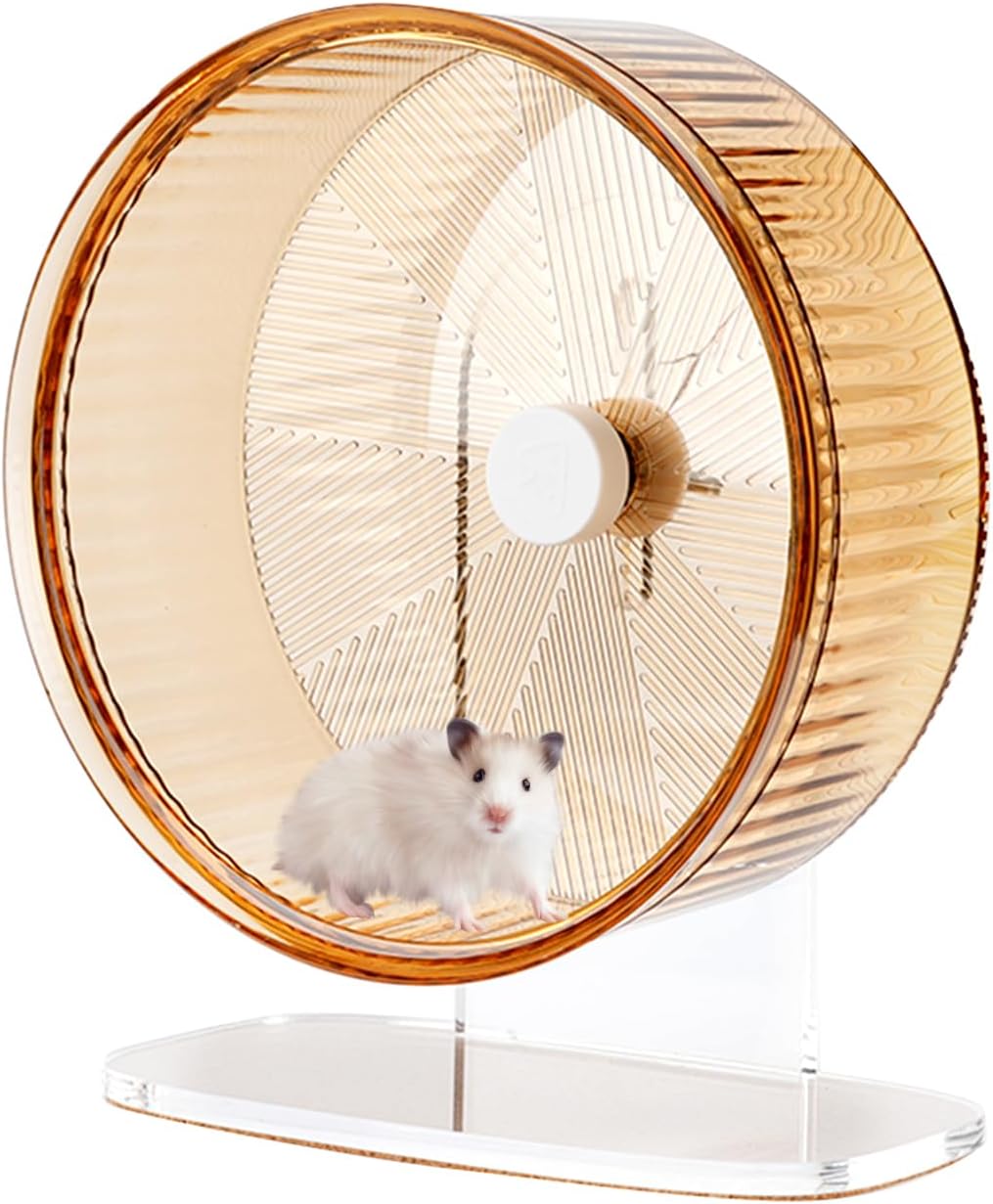
Hamsters need exercise, but noisy wheels can disturb the whole house. This silent wheel provides hours of fun without the noise, ideal for small animal owners. Compact and lightweight, it’s a great dropshipping item.
13. Reptile Heat Lamp & Thermostat Combo
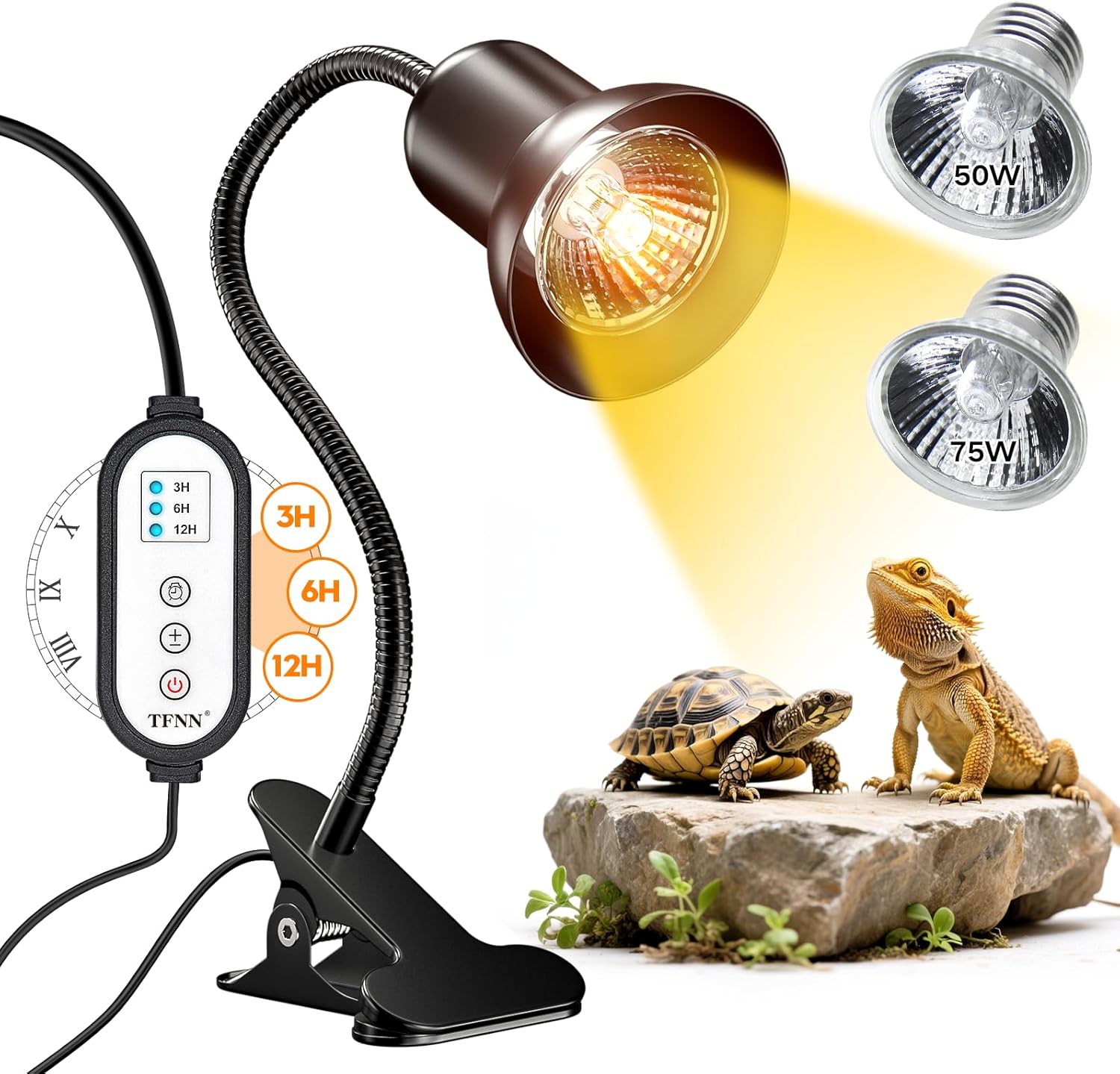
Reptiles like lizards and snakes need a controlled heat source. This lamp and thermostat combo creates a safe environment for their terrariums. Easy to ship and high perceived value make it suitable for dropshipping.
14. Bird Perch Stand with Swing
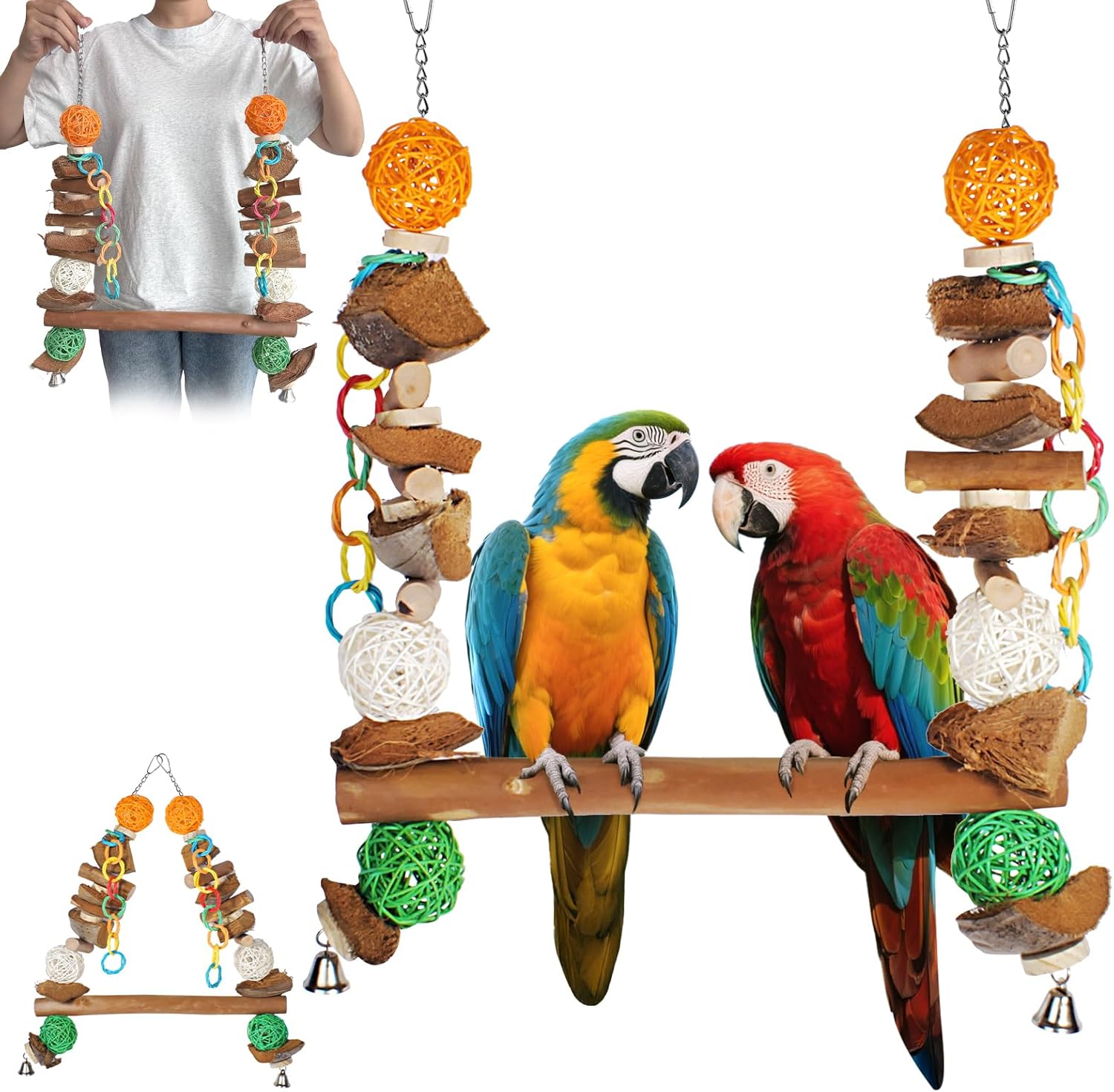
Birds need stimulation and exercise. This perch stand with a swing provides both, encouraging natural behaviors and keeping birds active. Its compact design makes it easy to ship, and it’s a hit among bird owners.
15. Fish Tank LED Light with Adjustable Stand
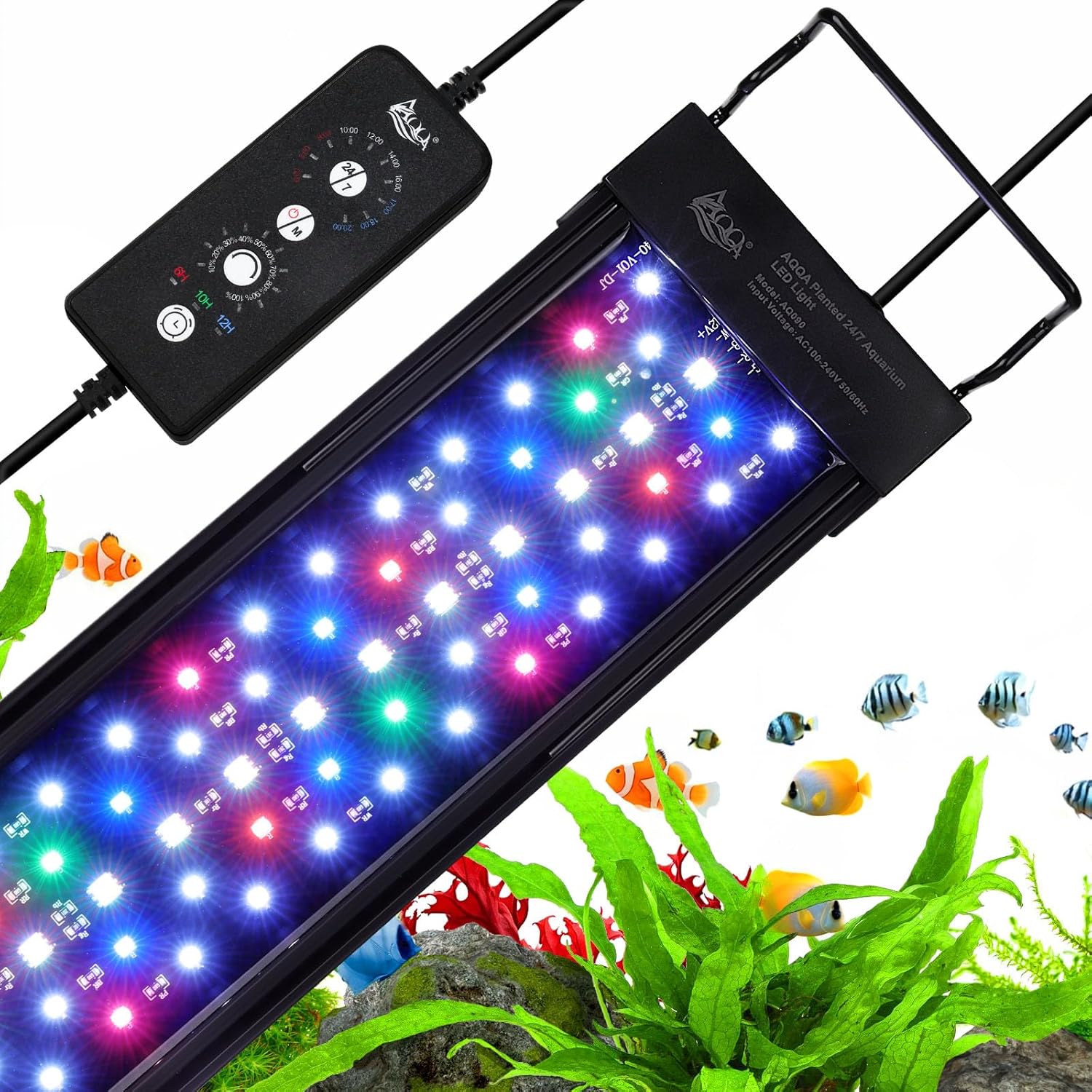
Enhance the beauty of fish tanks with this LED light featuring an adjustable stand. It provides optimal lighting for aquatic plants and fish, promoting a healthy environment. Its energy efficiency and ease of use make it a top choice for dropshipping.
16. Guinea Pig Hay Feeder Rack
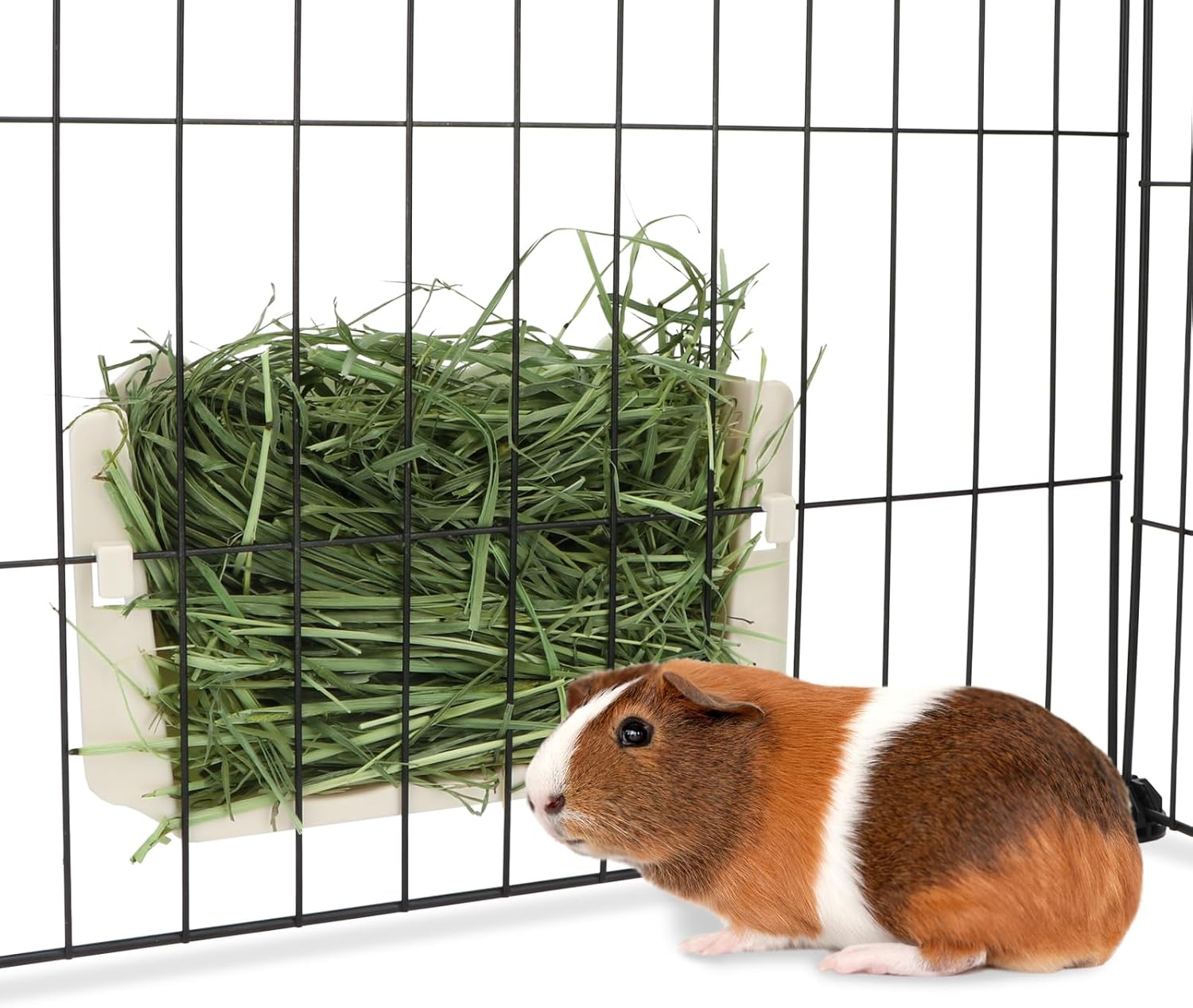
Guinea pigs love hay, but it often gets scattered. This hay feeder rack keeps hay contained, reducing mess and waste. Its simple design and functionality make it a must-have for guinea pig owners.
17. Tortoise Feeding Dish with Non-Slip Base
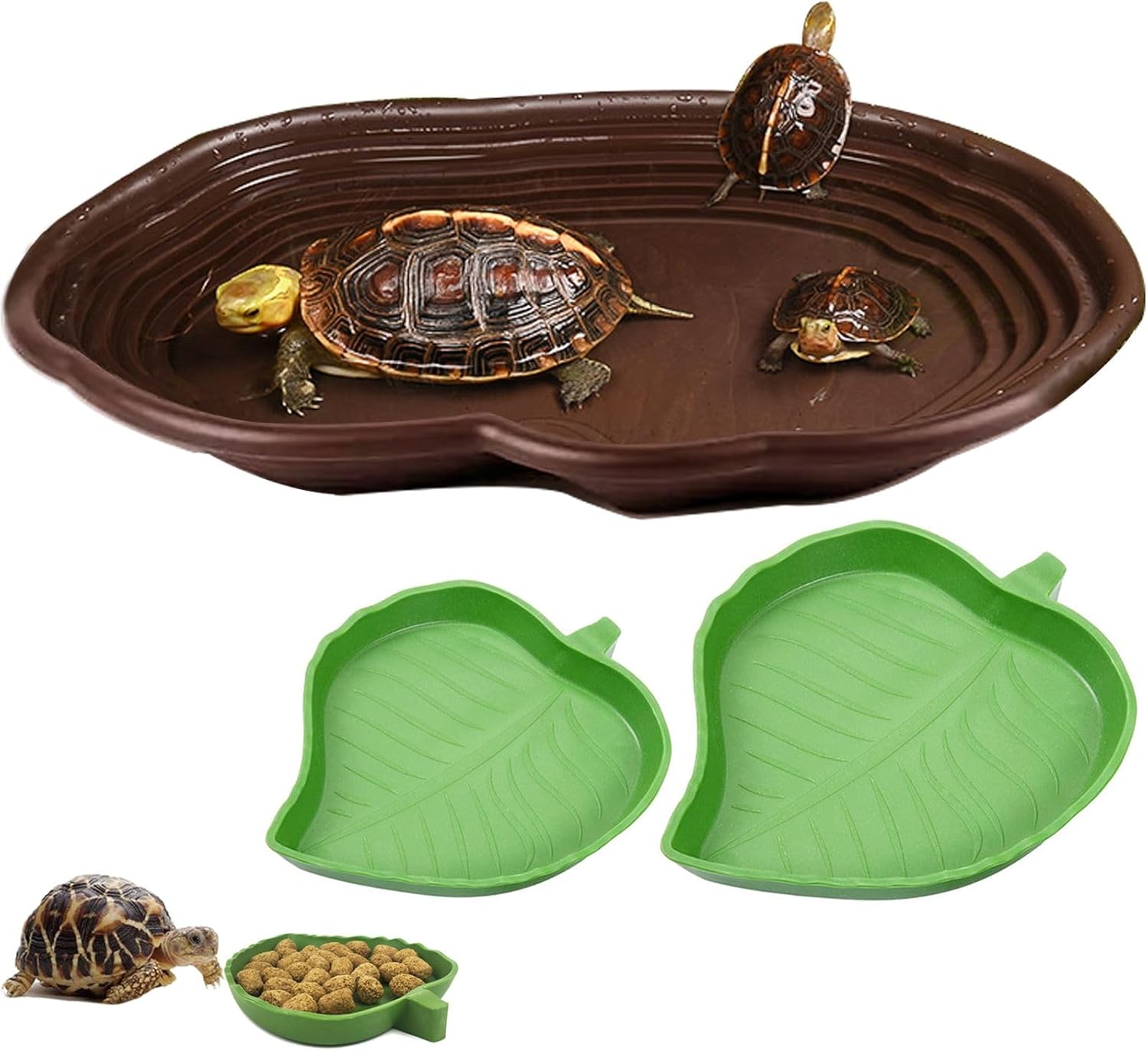
Tortoises can be messy eaters. This feeding dish with a non-slip base ensures food stays in place, making mealtime cleaner. Its durable material and practical design make it a great addition to any dropshipping store.
18. Small Animal Play Tunnel

Small animals like ferrets and guinea pigs love to explore. This play tunnel provides them with a fun and safe space to play and hide. Its collapsible design makes it easy to store and ship.
19. Bird Cage Cleaning Brush Set
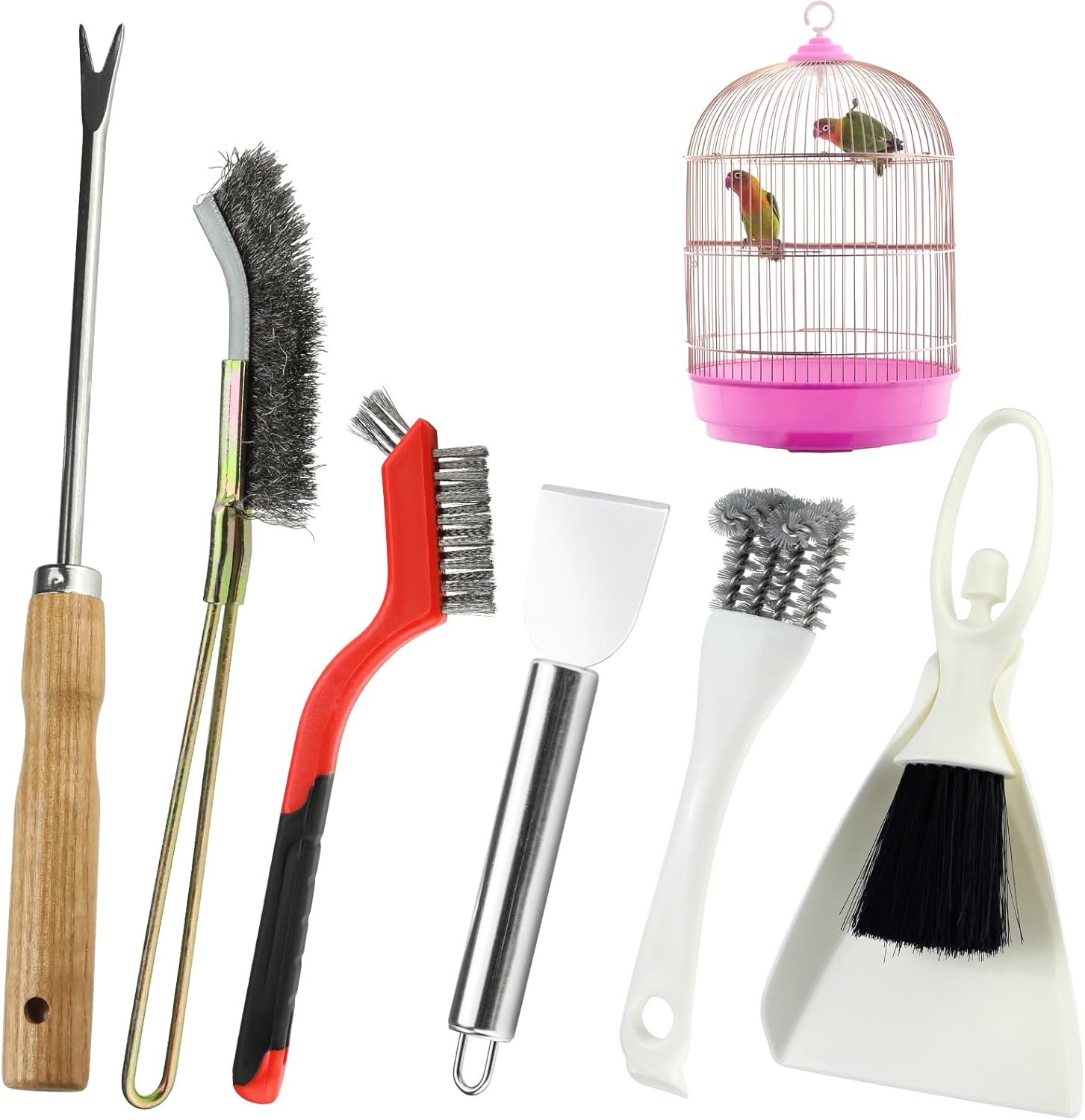
Keeping bird cages clean is essential for pet health. This cleaning brush set includes tools to reach all areas of the cage, making cleaning easier and more effective. Its comprehensive design caters to all bird owners.
20. Reptile Terrarium Background Decor

Enhance the habitat of reptiles with this terrarium background decor. It provides a natural look and additional hiding spots, reducing stress for the animals. Its lightweight material makes it easy to ship.
21. Pet Cooling Mat
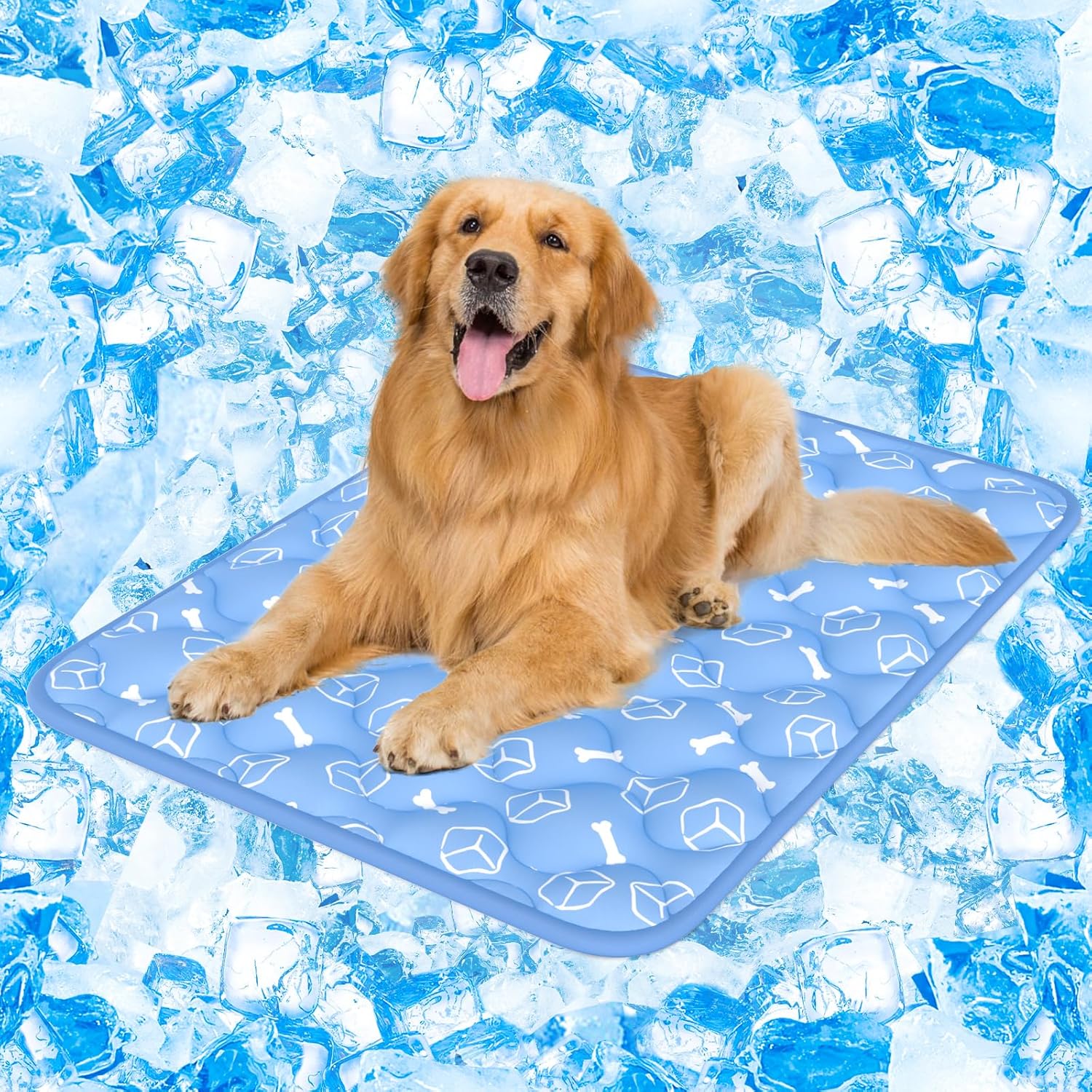
Hot weather can be uncomfortable for pets. This cooling mat provides a cool surface for pets to lie on, helping them stay comfortable during warm days. Its portable design makes it easy to use anywhere.
22. Pet Grooming Glove
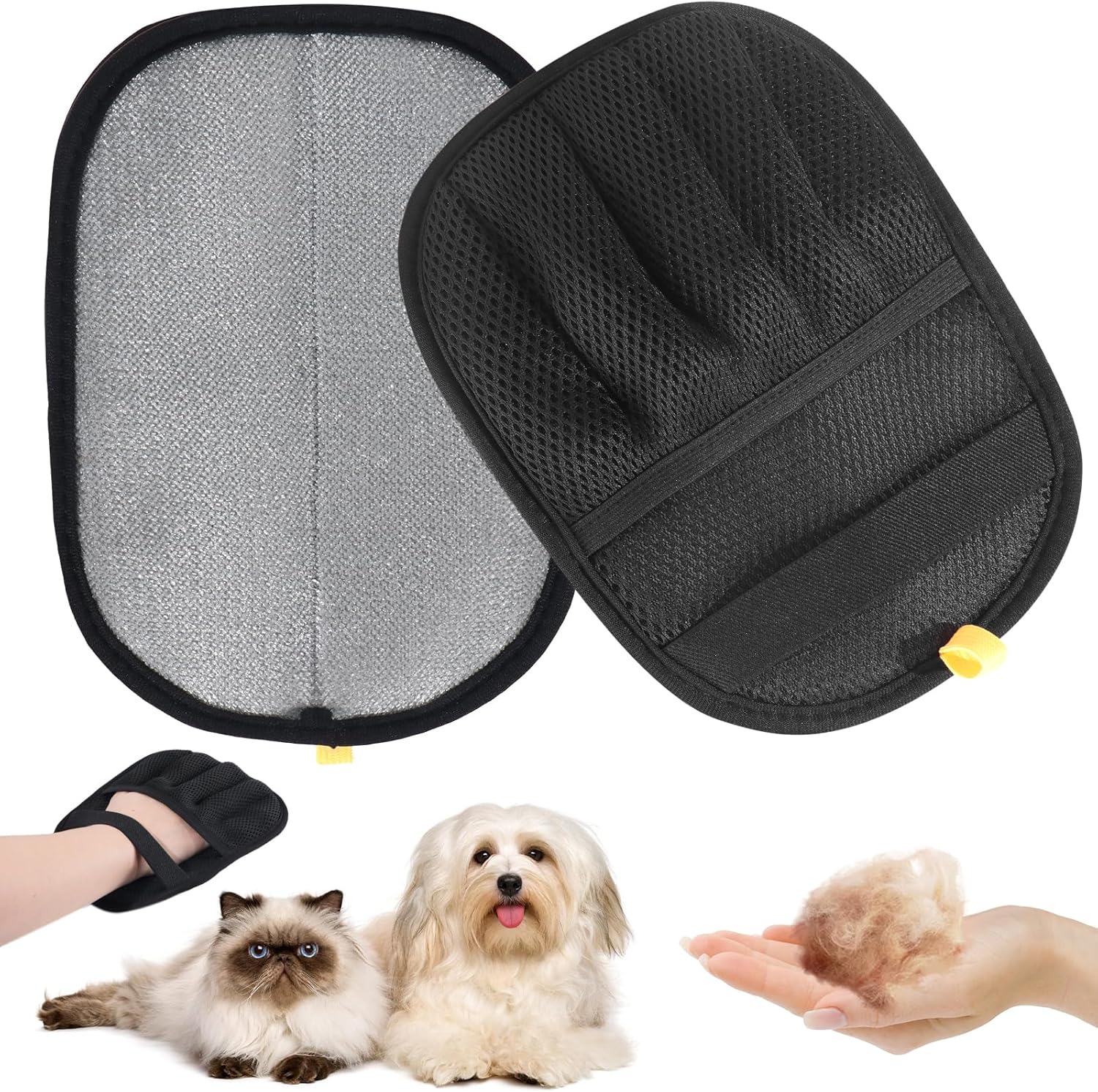
Grooming pets can be a hassle. This grooming glove makes the process easier by removing loose fur and tangles while massaging the pet. Its flexible design fits most hand sizes.
23. Pet Travel Carrier Backpack
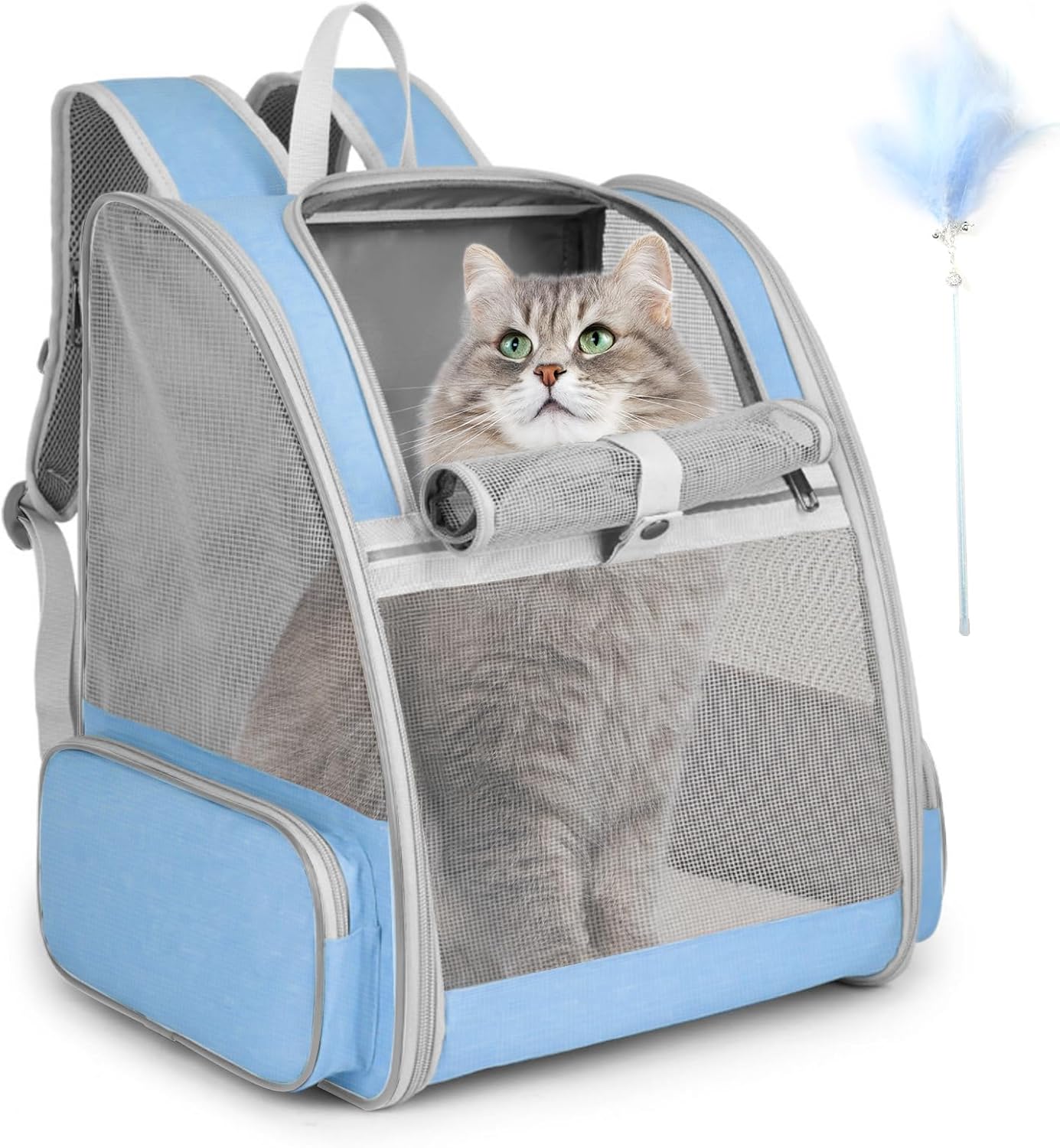
Traveling with pets can be challenging. This travel carrier backpack allows pets to travel comfortably and safely. Its ergonomic design ensures comfort for both pet and owner.
24. Pet Odor Eliminator Spray
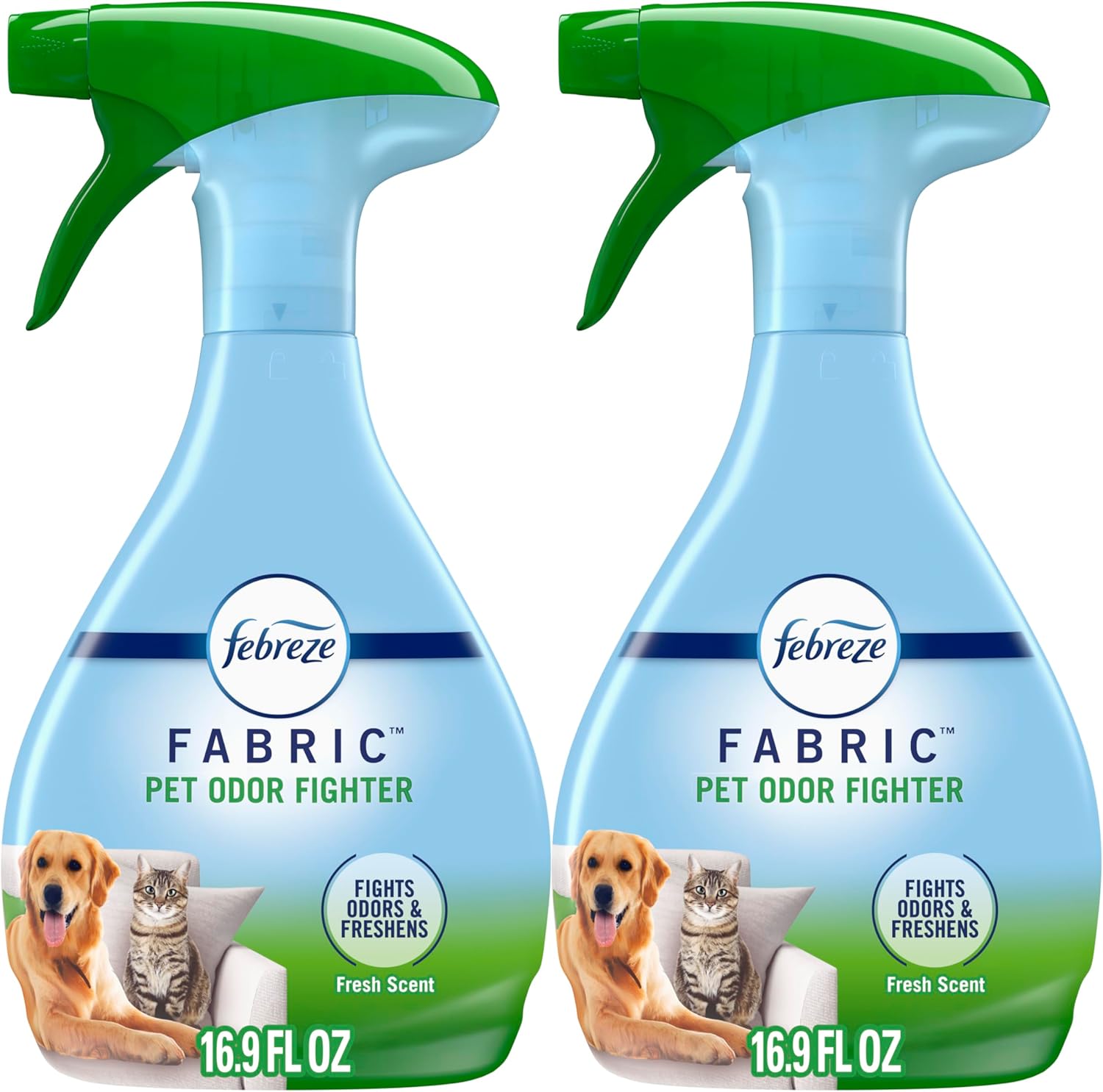
Pet odors can linger in the home. This odor eliminator spray neutralizes unpleasant smells, leaving the home smelling fresh. Its natural ingredients are safe for pets and humans.
25. Pet Nail Grinder
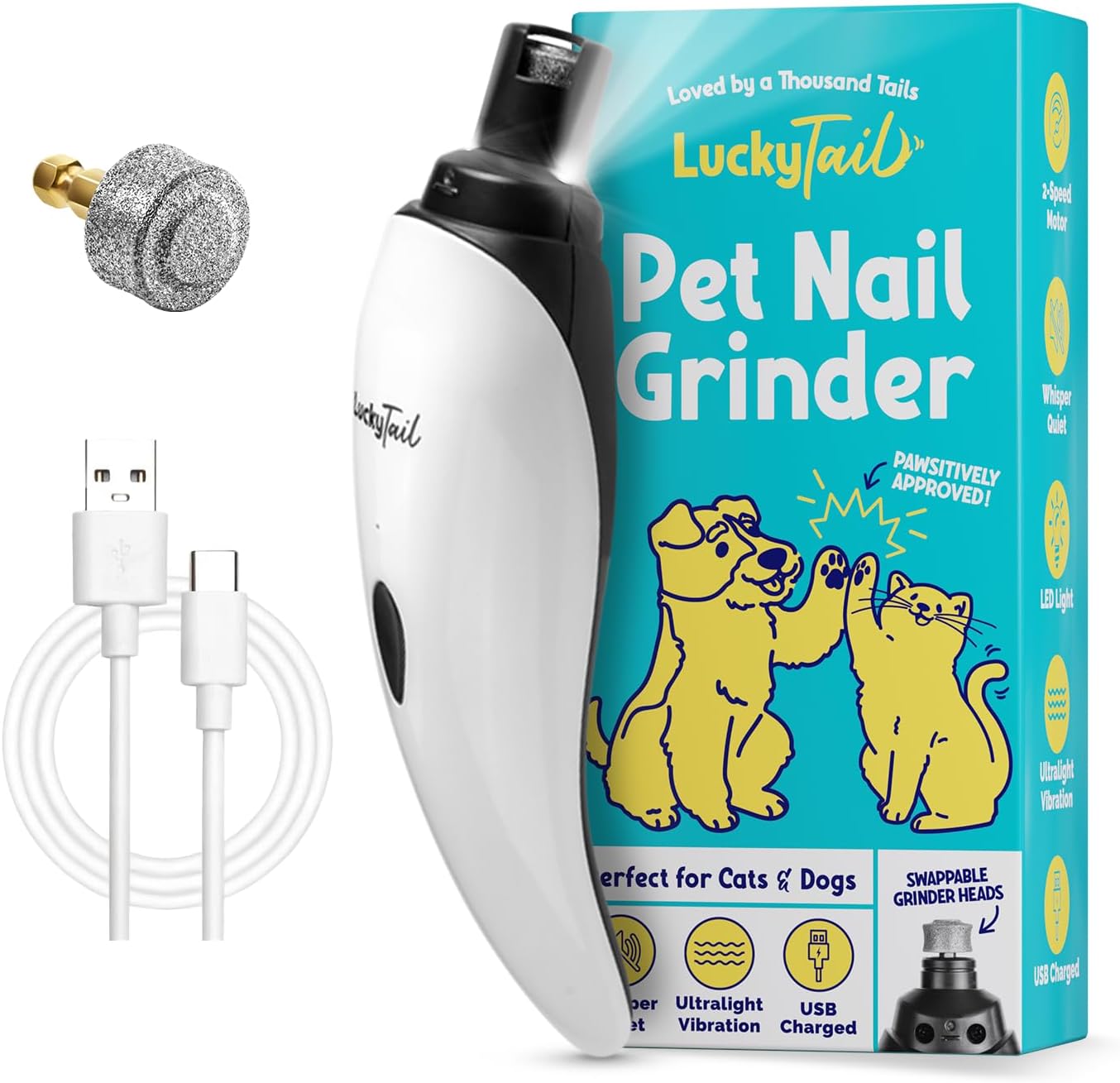
Trimming pets’ nails can be stressful for both pets and owners. This electric nail grinder makes the process safer and less intimidating, reducing the risk of cuts. Compact and lightweight, it’s ideal for dropshipping.
26. Hamster Ball for Exercise
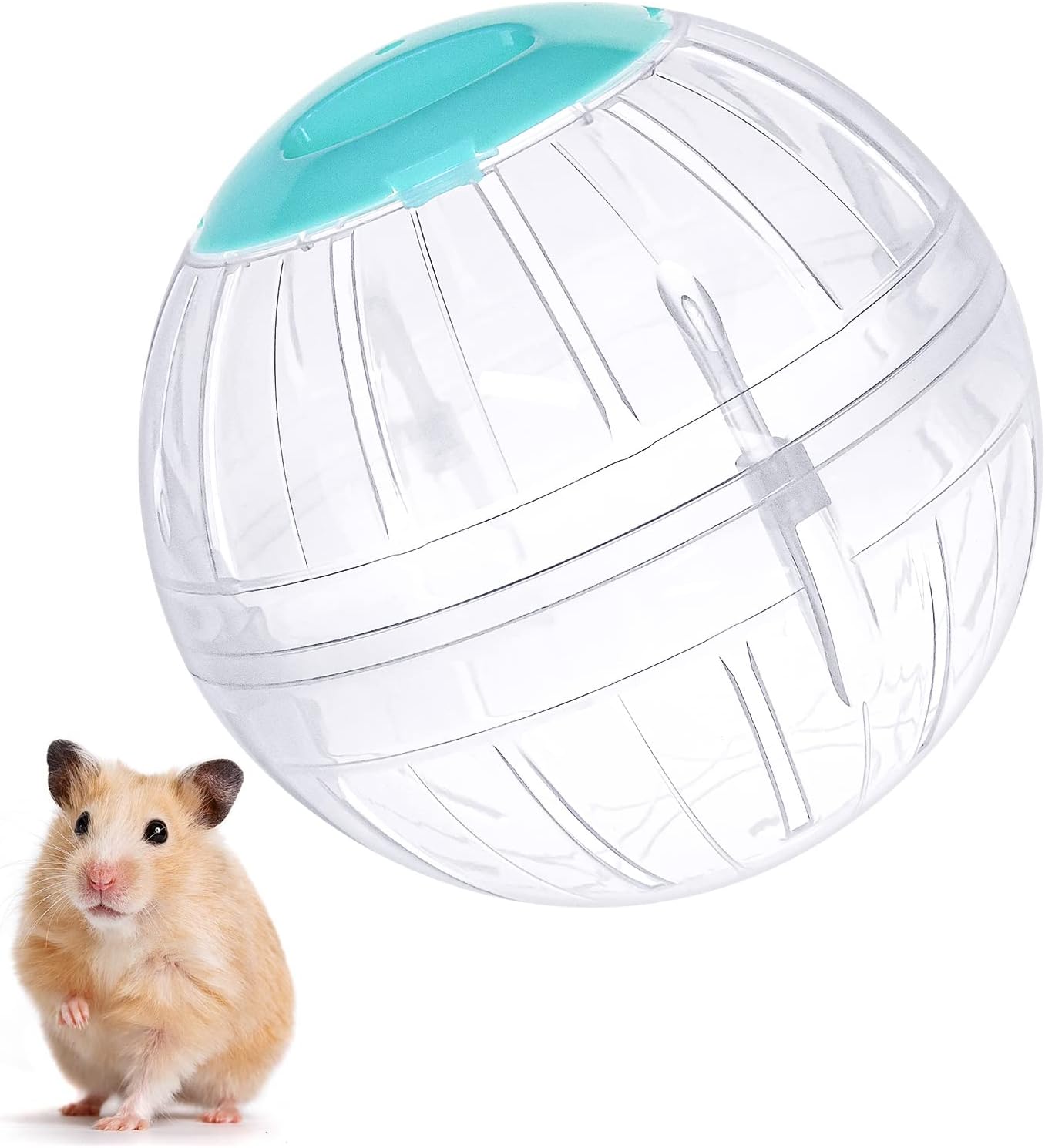
Hamsters need exercise, but free-roaming in the house can be risky. This hamster ball lets them safely explore while getting their daily workout. Lightweight and easy to ship, it’s perfect for small pet owners.
27. Biodegradable Dog Poop Bags
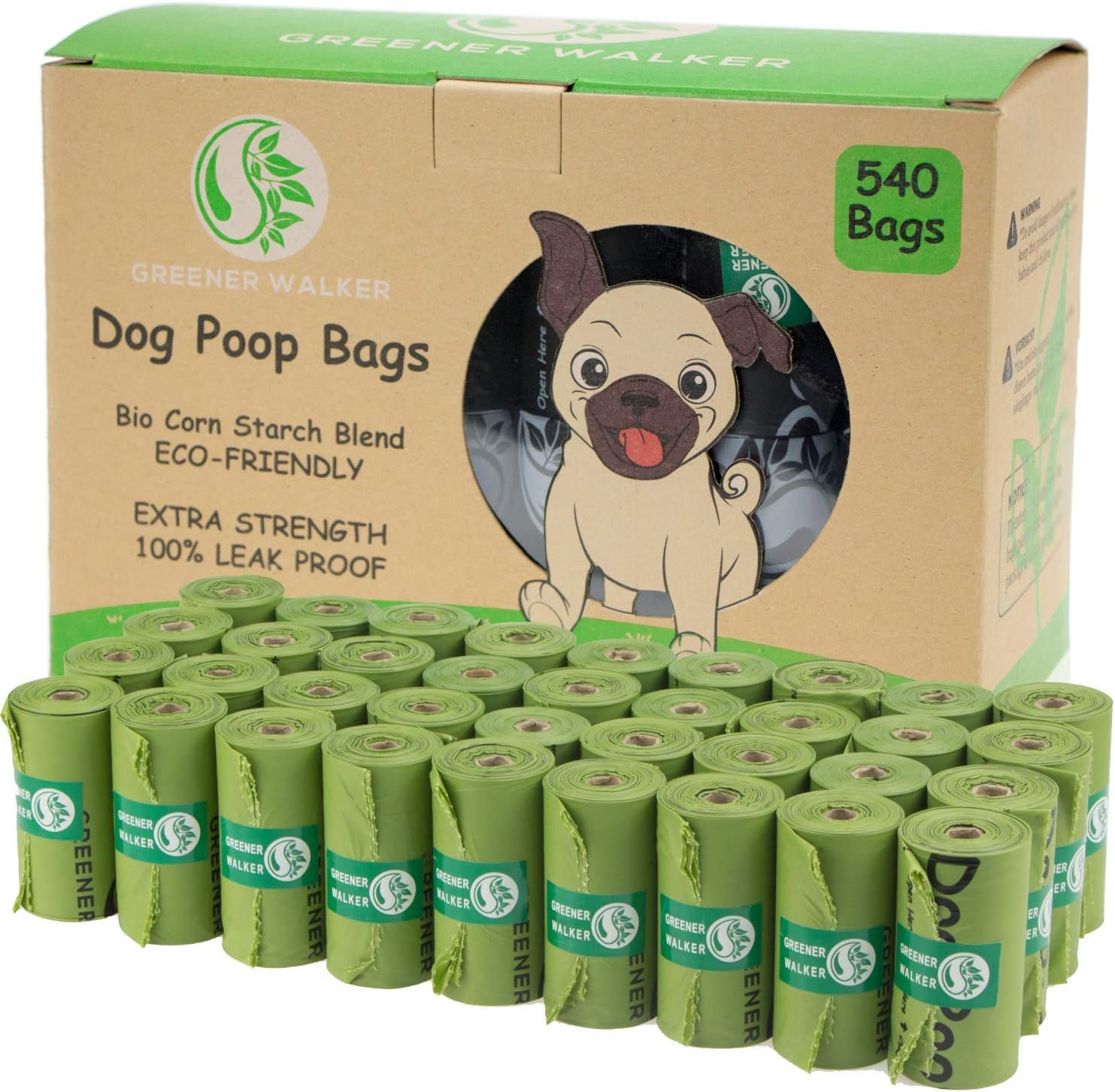
Cleaning up after pets is a must for every responsible owner, and poop bags are one of the most consistent repeat-purchase items in the pet niche. Eco-friendly, biodegradable bags are especially popular as more consumers look for sustainable options. For dropshippers, this is a “bread and butter” product—low cost, high turnover, and guaranteed repeat sales because pet owners will always need a steady supply.
28. Reptile Digital Thermometer
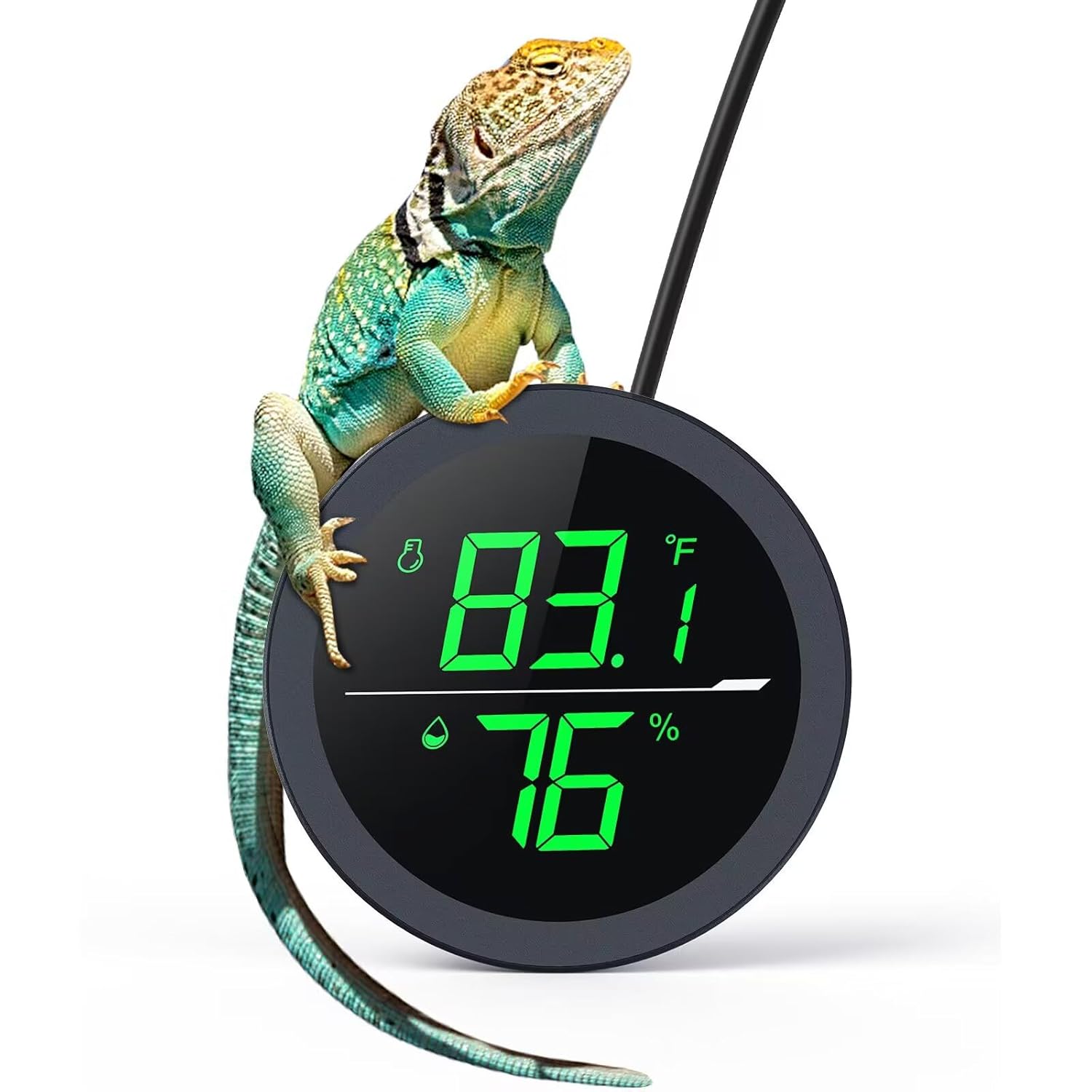
Proper temperature regulation is essential for reptiles to stay healthy and active. A digital thermometer allows owners to monitor their terrarium’s temperature accurately, ensuring it stays within the ideal range for their pet. Compact, easy to read, and often featuring alert functions, these thermometers are practical, low-cost, and highly appealing for dropshipping.
29. Small Animal Hideout Hut
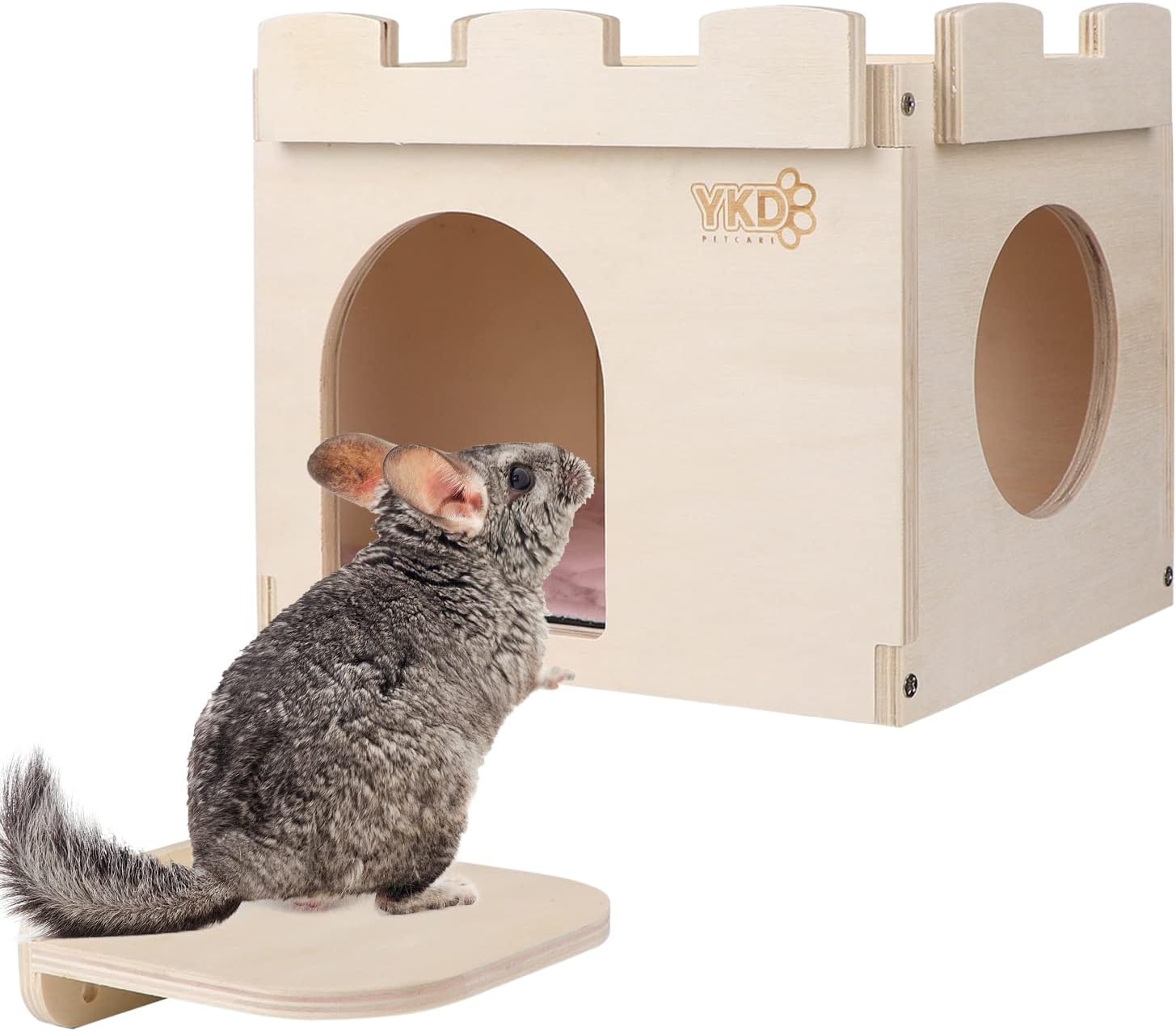
Small pets like guinea pigs, rabbits, and ferrets need safe spaces to hide and rest. This hideout hut provides a cozy retreat while being lightweight and easy to ship—a practical dropshipping product.
30. Pet First Aid Kit
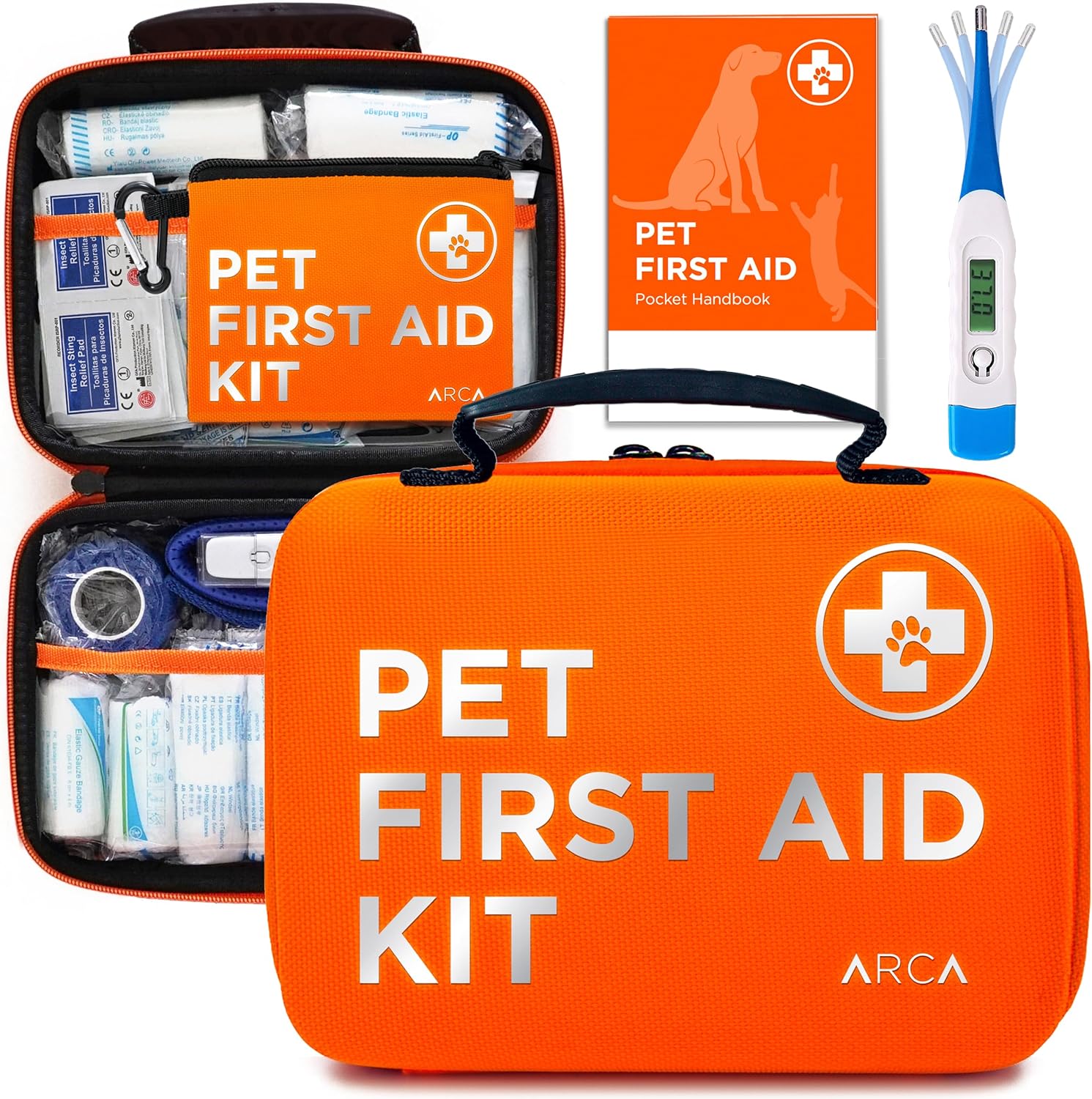
Emergencies can happen anytime. This pet first aid kit comes with essential supplies to handle minor injuries and health issues, offering peace of mind for pet owners. Portable and lightweight, it’s a must-have for dropshipping stores.
Reliable Suppliers for Dropshipping Pet Products
If there’s one rule in dropshipping, it’s this: your store is only as strong as your suppliers. You can list the trendiest pet products, but if your supplier ships late, delivers poor quality, or doesn’t respond to issues, your customers will notice—and they won’t stick around.
The good news is that in 2025, there are plenty of reliable suppliers who specialize in dropshipping pet products. Here are some of the most trustworthy options, starting with our top pick.
HyperSKU -Your Purrrfect Pick

When it comes to building a professional and scalable dropshipping business, HyperSKU stands out as one of the most reliable partners in 2025.
- Seamless Global Fulfillment: HyperSKU delivers eCommerce fulfillment services and global order fulfillment directly from China, reaching customers in major markets in as fast as 5–10 days. This allows you to compete effectively in a market where fast delivery is expected.
- Branded Packaging & Private Label: Build a recognizable brand with private label options.

Want to scale your business further? Check out HyperSKU’s Brandlift Package.
- Automation & Integrations: HyperSKU integrates with major eCommerce platforms like Shopify, WooCommerce, and more. If you encounter any challenges, our Help Center articles provide step-by-step guidance for every integration scenario.
- Reliable Supply Chain: Access millions of products from 2,000+ vetted suppliers, backed by over 10 years of supply chain expertise. This ensures consistent product quality, fewer risks, and a smoother path to growing your business.
CJdropshipping-Global Reach

CJdropshipping is a well-known platform in the dropshipping space with a massive catalog of products, including a wide range of pet supplies. They also provide customization options like logo printing and branded packaging, which helps create a more professional customer experience. With warehouses across multiple regions, shipping times are often faster than what you’d find on AliExpress.
One drawback is that their interface can feel overwhelming for beginners, but once you learn how to navigate it, CJdropshipping offers strong flexibility and global reach.
AliExpress-Quick Testing

AliExpress has long been the go-to marketplace for dropshippers, thanks to its huge product variety, low prices, and no minimum order requirements. It’s ideal for testing new pet products because you can add items to your store quickly and see what sells without making upfront investments.
That said, shipping times can be a challenge, especially if you’re targeting customers in North America or Europe. Picking suppliers with good ratings, faster shipping options, or local warehouses is key to avoiding unhappy customers.
Petco-Product Inspiration

As one of the largest pet retailers in the United States, Petco is known for quality products and trusted brands. While Petco is not a traditional dropshipping platform, it can serve two important purposes for entrepreneurs:
- Product Inspiration: Their catalog highlights what pet owners are currently buying, from premium food to wellness products.
- Partnership Potential: Some store owners explore wholesale or affiliate-style setups using Petco’s products, especially in the US market.
Petco may not replace your primary dropshipping supplier, but it’s a valuable benchmark for identifying trends and maintaining high standards.
Spocket-Local Suppliers

Spocket is a great choice if you’re targeting customers in North America or Europe. Unlike platforms dominated by Asia-based suppliers, Spocket connects you with local suppliers, which results in faster shipping and higher-quality standards.
Their catalog is curated rather than overwhelming, which means you spend less time filtering through unreliable listings. On the flip side, Spocket tends to be pricier than AliExpress, so it works best for stores positioning themselves as mid- to premium-range.
Zendrop-Automated Fulfillment

Zendrop is designed to make dropshipping as smooth as possible. It offers automated order fulfillment, real-time shipment tracking, and even educational resources for sellers. The platform is particularly user-friendly, which makes it appealing for beginners who want to avoid a steep learning curve.
One of Zendrop’s biggest strengths is its focus on customer experience—orders move through the system quickly, and the dashboard makes it easy to keep everything organized. It may not have the same product variety as AliExpress, but it makes up for it with simplicity and reliability.
Tips for Successfully Dropshipping Pet Products in 2025
Even with the right products and reliable suppliers, running a successful dropshipping store takes strategy. Here are some practical tips to help your store stand out in 2025:
1. Leverage Social Media
People like posting or seeing cute pet pics on SNS. Social media is where pet owners hang out! Short videos, Reels, or Stories showing your products in action with pets can grab attention instantly. Encourage customers to share their own furry friends using your products—it’s free word-of-mouth marketing.
2. Use Paid Ads Smartly
Want more people to see your products? Paid ads are the quickest way. Platforms like Google Ads, Meta Ads, or TikTok Ads let you target potential customers precisely. Start small, test different audiences, and scale what works to make your budget go further.
3. Make Email Marketing Work for You
Don’t underestimate email! Great email marketing can help you gain more profits and loyal customers. Sending personalized updates, product recommendations, or holiday promotions can bring customers back to your store. Thoughtful emails can increase opens, clicks, and sales. Highlight your top products in emails to spark more orders.
4. Optimize for SEO (Without Keyword Stuffing)
SEO is about helping people find your store on Google. Use relevant keywords naturally, answer customer questions, and create content that’s useful and engaging. A well-optimized blog or product page can steadily bring in organic traffic.
5. Test, Analyze, and Scale
Don’t go all-in from day one. Test a few products first, see what sells, and then scale your best performers. Tools like Google Analytics or Shopify Analytics can show which products and marketing channels are winning.Focus on your top-performing items and allocate resources where they’ll bring the most impact.
Dropshipping pet products in 2025 can be incredibly rewarding if you combine smart product selection, professional presentation, thoughtful marketing, and excellent customer care. Follow these tips, pay attention to what your customers want, and you’ll not only make sales—you’ll build a brand people trust.
Final Thoughts
The pet dropshipping market in 2025 is full of opportunities. Consumers are spending more than ever to keep their pets happy, healthy, and entertained, and the shift toward online shopping makes it easier than ever to reach them. By combining a smart selection of trending and evergreen products, partnering with reliable suppliers like HyperSKU, and applying effective marketing strategies, you can build a profitable and sustainable business.
Remember, success doesn’t happen overnight. Start small, test different products, track performance, and scale what works. Take advantage of tools, analytics, and resources provided by your suppliers to streamline operations, reduce risks, and deliver excellent service.
Most importantly, focus on adding value for your customers. Pet owners respond to convenience, quality, and thoughtful touches that make their lives easier and their pets happier. If you get that right, your store can stand out in a crowded market and grow steadily throughout 2025 and beyond.
With the right approach, dropshipping pet products isn’t just a way to make sales—it’s a chance to build a brand that pet owners trust and love. So pick your products, partner wisely, and start creating a store that both you and your customers will be proud of.
FAQ: Dropshipping Pet Products in 2025
1. Do I need experience with pets to start dropshipping pet products?
Not at all. While knowing about pets can help you pick products and create better content, you can start as long as you research trends, read reviews, and understand what pet owners need. Focus on solving common problems—like tangled leashes, small pet safety, or reptile heating—and you’ll be in good shape.
2. How do I choose the right products to sell?
Look for a mix of trending items and evergreen staples. Trending products can give quick sales spikes, while evergreen items ensure steady revenue. Check marketplaces, social media trends, and supplier catalogs (like HyperSKU) to see what’s in demand.
3. Can I dropship products for pets other than cats and dogs?
Absolutely. Many small pets—rabbits, guinea pigs, hamsters, reptiles—have dedicated owner communities. Products like cages, heating pads, or habitat accessories can be very popular if you target the right audience and create helpful content.
4. How do I find reliable suppliers?
Use platforms that vet suppliers and offer fulfillment support. HyperSKU, for example, provides access to millions of products, private label options, branded packaging, and integrations with major eCommerce platforms. Other options include Petco for established products or marketplaces that offer dropshipping programs.
5. How can I market my store effectively?
Social media is key—short videos, reels, and user-generated content work well for pet products. Combine this with SEO and blog content focused on pet owner concerns, like “keeping reptiles healthy in winter” or “best chew toys for teething puppies.” Paid ads can also help target niche audiences effectively.
6. Is dropshipping pet products profitable in 2025?
Yes—if you pick the right products, partner with reliable suppliers, and focus on customer experience. The global pet market is growing, and online shopping is on the rise. With smart product selection, strong branding, and consistent marketing, you can build a profitable store.
By 2028, the global digital economy is projected to reach $16.5 trillion, accounting for 17% of worldwide GDP. This growth is primarily driven by e-commerce, online services, and digital content, offering unprecedented opportunities for individuals to earn money online.
Whether you want to turn a hobby into a source of income, launch an online brand, or explore new digital ventures, the online economy makes it possible. From e-commerce stores and content creation to online courses, there are countless ways to connect with a global audience and generate revenue.
This guide will explore a variety of online money-making methods, ranging from simple side hustles to scalable business models. By understanding market trends and selecting the right products and platforms, you can ride the wave of the digital economy and take steps toward financial freedom.
8 Best Ways to Make Money Online in 2025
1. Freelancing

Source: Upwork
Why it’s promising:
The global freelance platforms market is projected to grow from US$5.6 billion in 2024 to US$14.4 billion by 2030, at a CAGR of 16.1% . This growth reflects the sustained demand for flexible, specialized services online.
How to start:
- Build a profile on platforms like Upwork or Fiverr.
- Highlight your skills via a portfolio or samples.
- Take on smaller gigs first to build credibility.
2. Affiliate Marketing
Why it’s promising:
Affiliate marketing is booming—U.S. spending alone reached US$13.63 billion in 2024, demonstrating strong performance and potential.
How to start:
- Choose a niche you know well.
- Join affiliate networks like Amazon Associates or ShareASale.
- Create content that provides value—then weave in affiliate links.
3. Selling Digital Products (Courses, eBooks, Templates)
Why it’s promising:
The global e-learning market is set to expand from US$274 billion in 2022 to US$465 billion by 2028, growing at about 9.2% CAGR. Digital products tap directly into this trend with low overhead and scalable reach.
How to start:
- Identify knowledge you can teach.
- Package it as an ebook, course, or template.
- Sell via platforms like Gumroad, Teachable, or your own site.
4. Content Creation (YouTube, TikTok, Blogging, Patreon)
Why it’s promising:
The creator economy continues to thrive—Influencer marketing has grown to a $16+ billion industry . Monetization channels are broader than ever, spanning ads, sponsorships, and direct support.
How to start:
- Pick a medium that fits your style.
- Publish regularly and build your audience.
- Monetize through ads, affiliate links, or memberships via Patreon.
5. E-commerce (Online Stores)

Source: Unsplash
Why it’s promising:
The global retail e-commerce sales are expected to exceed US$6.3 trillion in 2024 —highlighting how online shopping continues to surge worldwide.
How to start:
- Choose between dropshipping, private label, POD, or holding inventory.
- Select a platform like Shopify, WooCommerce, or Amazon.
- Optimize for mobile shopping and run targeted ads.
6. Online Tutoring & Coaching
Why it’s promising:
The global online tutoring market is forecasted to reach US$23.73 billion by 2030, growing steadily. Learners increasingly prefer personalized virtual instruction.
How to start:
- Define your teaching specialty (language, business, fitness, etc.).
- Join platforms like Preply or italki—or offer coaching directly.
- Promote via content marketing or your professional network.
7. Audio Content & Audiobooks
Why it’s promising:
The audiobooks market is set to skyrocket—from US$8.70 billion in 2024 to US$35.47 billion by 2030 (CAGR ~26.2%) . Audio content investment is rapidly growing.
How to start:
- Record podcasts, storytelling sessions, or audiobooks.
- Distribute via platforms like Apple Podcasts, Spotify, or ACX.
- Monetize through ads, subscriptions, or direct sales.
8. Virtual Assistance & Remote Services
Why it’s promising:
Businesses worldwide increasingly outsource admin, customer support, and operations. The global virtual assistant market size is expected to reach $25.6 billion by 2025.
How to start:
- List services like email management, social media support, data entry, or scheduling.
- Niche down (e.g., VA for e-commerce sellers or coaches) to increase rates.
Why Running an Online Store Is a Smart Way to Make Money
After exploring all those ways to make money online—from freelancing and affiliate marketing to content creation—you might be wondering: which path can actually grow into a long-term business?
For many aspiring entrepreneurs, the answer is running an online store. Unlike gigs or one-off projects, an online store allows you to reach customers worldwide, scale your business, and build a recognizable brand. With e-commerce, you’re not just trading time for money—you’re creating an asset that can generate income for years.
Dropshipping: Low-Risk, High Potential

Dropshipping is one of the most popular ways to start an online store without holding inventory. You partner with suppliers who ship products directly to your customers. This eliminates the need for warehouses or upfront inventory costs, making it a low-risk entry point for beginners.
Why it works: You can test different products and markets quickly, adapt to trends, and scale your business without major financial risk. Many successful online entrepreneurs began with dropshipping before launching their own branded products.
Print-on-Demand: Monetize Your Creativity

If you’re an artist, designer, or influencer, print-on-demand (POD) is a great way to monetize your creative work. Similar to dropshipping, POD allows you to sell custom-designed products—like t-shirts, mugs, or notebooks—without investing in inventory.
With POD platforms integrated with popular e-commerce stores, you can focus on design and marketing while the platform handles production and shipping. This model is perfect for testing ideas, building a brand identity, and connecting with a niche audience.
Direct-to-Consumer (DTC) Brands: Build Your Own Empire

While dropshipping and POD are great starting points, building a DTC brand gives you full control over your products, pricing, and customer experience. A strong DTC brand allows you to:
- Create unique products that stand out in the market
- Build loyal customers through marketing and storytelling
- Increase profit margins by cutting out middlemen
Thanks to e-commerce platforms, tools for marketing, and global logistics networks, even solo entrepreneurs can now run DTC brands that reach customers worldwide.
Why It’s Promising?
- E-commerce growth is massive: by 2033, the market could be more than $67.05 trillion .
- Online stores allow scalability: unlike freelancing or content creation, a store can grow into a full-fledged business.
- Global reach: you can sell to customers anywhere in the world, 24/7.
- Flexibility: dropshipping and POD let you start small with low upfront costs, while DTC lets you build a brand with high-profit potential.
Whether you’re testing products with dropshipping, showcasing creativity with POD, or launching your own DTC brand, running an online store combines low entry barriers, flexibility, and long-term growth potential—making it one of the smartest ways to make money online in 2025.
Step-by-Step Guide to Starting Your Online Store
Starting an online store may sound overwhelming, but the process is more straightforward than it seems—especially with business models like dropshipping. Here’s a simplified roadmap to get you started:
Step 1: Choose Your Business Model
Decide whether you want to start with dropshipping, print-on-demand (POD), or managing your own inventory.
- Dropshipping is low-risk and beginner-friendly because you don’t need to handle stock.
- POD lets you sell custom designs without upfront costs.
- DTC works best if you already have an initial vision for building your own brand and product line.
Step 2: Find the Right Products
Research trending or evergreen products with proven demand. Tools like Google Trends, TikTok Made Me Buy It, or product research platforms can help.
- Look for products with a clear problem-solving angle.
- Avoid overly competitive niches unless you bring a unique twist.
Step 3: Pick Your Online Store Platform
Choose a platform that’s easy to set up and scale with.
- Shopify is the most popular choice for dropshipping.
- WooCommerce works well if you prefer WordPress.
- Marketplaces like Etsy or Amazon can also work, depending on your niche.
Step 4: Set Up Payments & Logistics
Make sure customers can pay you easily and securely.
- Integrate options like PayPal, Stripe, or local payment methods.
- If dropshipping, connect your store to suppliers so orders are automatically fulfilled.
Step 5: Build Your Storefront
Focus on a clean, conversion-friendly design.
- Use high-quality product images and videos.
- Write persuasive, benefit-driven product descriptions.
- Keep navigation simple—less friction means more sales.
Step 6: Drive Traffic with Marketing
Even the best product won’t sell without visibility.
- Start with paid ads (Meta, TikTok, Google) for fast testing.
- Use social media content to build organic reach.
- Consider influencer partnerships for niche targeting.
Step 7: Test, Optimize & Scale
Your first version doesn’t need to be perfect—it needs to be live.
- Track key metrics (CTR, conversion rate, ROAS).
- A/B test creatives, copy, and pricing.
- Once you find a winning product, scale ad spend and expand channels.
👉 Tip: As your store grows and you find consistent winners, that’s the right time to invest in building a long-term brand identity for customer loyalty.
How HyperSKU Helps You Build a Profitable Online Store
Running an online store is exciting, but it also comes with challenges: finding reliable suppliers, managing inventory, ensuring fast shipping, and keeping customers happy. This is where HyperSKU comes in.
1. Reliable Product Sourcing
HyperSKU connects you with a wide network of verified suppliers, giving you access to trending, high-quality products without worrying about unreliable sources.
2. Faster Shipping Times
Unlike traditional dropshipping platforms with long wait times, HyperSKU offers 5–12 day global shipping on average, helping you win customer trust and increase repeat purchases.
3. Automated Order Fulfillment
With HyperSKU, once a customer places an order in your store, everything from packaging to delivery is automated—saving you hours of manual work every week.
4. One Dashboard for Everything
Manage your products, orders, and shipping from one easy-to-use dashboard that integrates with Shopify and other platforms.
5. Scale with Confidence
As your store grows, HyperSKU supports you with dedicated account managers and tools to help you scale smoothly.
In short, HyperSKU makes it easier for anyone—whether you’re just testing the waters of dropshipping or building a full-fledged DTC brand—to run a profitable online store without the headaches.
Final Thoughts
While there are many ways to make money online, e-commerce stands out as one of the most rewarding paths. Yet, the road can be bumpy without the right tools and support. HyperSKU bridges that gap by taking care of the hardest parts of running an online store—so you can focus on what matters most: growing your business and delighting your customers.
Frequently Asked Questions About How to Make Money Online
1. What is the easiest way to start making money online?
Starting with freelancing, online stores, or affiliate marketing is often the simplest. These options require minimal upfront investment and allow you to test the waters before scaling.
2. How do I know which online business model is right for me?
Consider your skills, resources, and time. If you prefer selling physical products without holding inventory, dropshipping or print-on-demand is ideal. For creative work, content creation or selling digital products may be a better fit.
3. Can I start an online store without my own products?
Yes! Dropshipping allows you to sell products sourced from suppliers without having to manage inventory. HyperSKU, for example, connects you with verified suppliers and handles order fulfillment.
4. How do I find reliable suppliers for my online store?
Look for verified suppliers on platforms like HyperSKU, Alibaba, or Apliiq. Check their shipping times, minimum order quantities, and customer reviews to ensure they meet your standards.
5. Do I need a lot of money to start making money online?
Not necessarily. Many online business models, like freelancing, content creation, or dropshipping, have low upfront costs. The key is consistent effort and smart marketing.
6. Can I turn a side hustle into a full-time online business?
Absolutely! Many successful online entrepreneurs started with small side projects. By testing ideas, optimizing your strategy, and scaling wisely, you can grow your online business into a sustainable full-time venture.
Everyone is chasing profitable dropshipping niches, yet most are playing it painfully safe. Skincare? Overdone. Phone cases? Please. Real money is in weird corners of the internet. In obsessive communities. In quiet trends with loud buyer intent. The type of niches where people don’t think twice about clicking “Buy Now” at 2 a.m.
So if you are tired of selling junk you wouldn’t buy yourself, keep going. Below, you are getting a list that gets straight to the good stuff. These are the 10 high-profit dropshipping niches built for right now – and tomorrow – and picked for one reason: they move fast and make money faster.
10 Highly Profitable Dropshipping Niches That Are Set To Take Over The Market
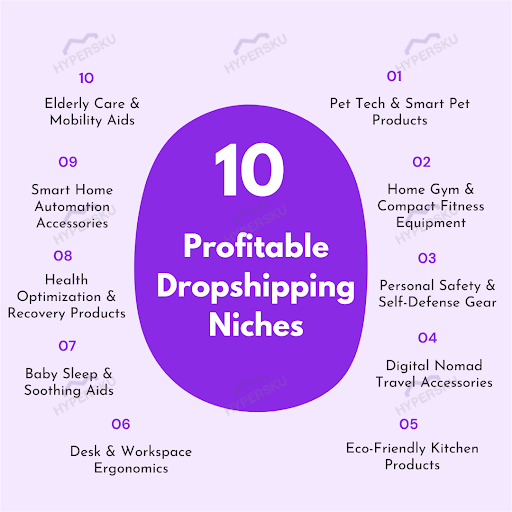
Let’s skip the tired categories everyone is already milking dry. What you are getting here is a lineup of the 10 best dropshipping niches that are quietly exploding with buyer demand and low competition.
1. Pet Tech & Smart Pet Products
Everyone is obsessed with their pets right now – and not just in a cute-photo-on-Instagram way. Pet owners are emotionally invested, and emotional buyers don’t overthink price tags. The idea of being a “good pet parent” matters more than saving a few bucks. It is not logic-based shopping. It is a money personality thing — “If my pet is happier, I’ll pay for it.”
Also, with more people living alone (especially in cities), pets are becoming their primary companions. That drives demand for smart pet solutions. In fact, the global smart pet product market is valued at $5.9 billion. Plus, most of these pet supplies are light and easy to ship worldwide. That is a logistical win.
Your buyers:
- Millennials and Gen Z who treat their pets like family
- People working long hours who need automation
- Travelers or digital nomads who want to stay connected to their pets
- Apartment dwellers where space and tech efficiency both matter
What sells well:
- Smart feeders with timers and cameras
- GPS collars with real-time tracking and app sync
- Water fountains that purify and keep pets hydrated
- Interactive toys that move, bounce, or react on their own
- Pet activity monitors that show trends over time (like FitBit for pets)
2. Home Gym & Compact Fitness Equipment
Post-2020, working out at home is no longer just for budget-conscious individuals. And most people don’t want bulky treadmills or overpriced machines. They want gear they can stash under the couch or take on a weekend trip.
This lucrative niche is perfect because you are not selling “fitness dreams” – you are selling real-world practicality. And once customers start building their mini home gym, they usually come back for more.
Your buyers:
- Busy professionals working remotely
- Parents who need nap-time workouts
- Beginners who feel intimidated by gyms
- People who travel and want portable equipment
- City dwellers with limited space
What sells well:
- Resistance band kits with varying tensions
- Door-mounted pull-up bars and suspension trainers
- Adjustable dumbbells or space-saving kettlebells
- Core sliders and ab rollers
- Foldable yoga mats, balance balls, and stretch wheels
3. Personal Safety & Self-Defense Gear
Fear drives action – and in this case, purchases. Safety products are powerful, and people feel better having them, even if they never use them. And with so many real-world events triggering anxiety, this niche is riding a very real emotional current.
Plus, these products are usually compact, high-margin, and super shareable on TikTok or Instagram, especially when creators show how they work in real life.
Your buyers:
- Women aged 18–40, especially those living or commuting alone
- College students (and their parents)
- Travel enthusiasts or solo adventurers
- Rideshare drivers and delivery workers
- Parents buying for teens
What sells well:
- Loud personal alarms or keychain sirens
- Compact stun flashlights
- Door stoppers and lock reinforcements for hotel rooms
- Disguised tools like comb knives or keychain pepper spray
- Wearable GPS trackers with emergency alerts
4. Digital Nomad Travel Accessories
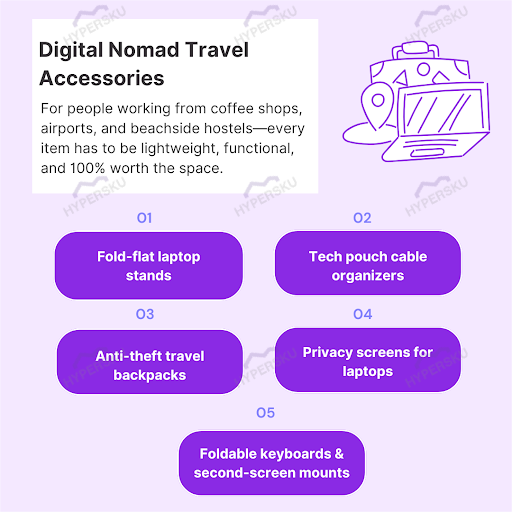
More people are leaving traditional offices behind and working from anywhere that has coffee and Wi-Fi. And these digital nomads are serious about functionality and minimalism. They travel light, but every item they carry has to earn its place.
That means high-quality, problem-solving accessories that simplify setup and make them feel productive on the go. Bonus? These people are always sharing their workspace setups online, so your product has a high chance of being organically featured in a YouTube vlog or TikTok roundup.
Your buyers:
- Remote tech workers, marketers, designers
- Students taking gap years or studying abroad
- Travel influencers and content creators
- Entrepreneurs running online marketplaces from Bali cafés
- Anyone tired of cubicles and chasing that laptop-lifestyle freedom
What sells well:
- Laptop stands that fold down flat
- Cord and charger organizers (tech pouches)
- Anti-theft backpacks with hidden zippers and charging ports
- Portable laptop privacy screens
- Foldable travel keyboards or second-screen mounts
5. Eco-Friendly Kitchen Products
People are over plastic, and they are starting to show it in how they shop. The kitchen is where sustainability hits home hardest, so this niche taps into everyday behavior with visible impact. Today, the sustainable kitchen products market is worth $12.5 billion.
But it is not enough to be eco-friendly – it has to feel like an upgrade. A bamboo brush looks better on your counter than a neon sponge. A reusable food wrap feels cooler than plastic wrap. And when people share their “eco kitchen swaps” online, you are the one making the sale.
Your buyers:
- Gen Z and millennials making eco-conscious lifestyle shifts
- Parents trying to reduce waste at home
- Home cooks who love kitchen gadgets
- TikTok creators showing off their minimalist or zero-waste kitchens
What sells well:
- Reusable silicone zip bags
- Beeswax wraps and stretchy bowl covers
- Compost bins with charcoal filters
- Biodegradable sponges and brushes
- Stainless steel or bamboo lunch kits
- Plastic-free dish soap bars and refill kits
6. Desk & Workspace Ergonomics
The “work-from-home” era is evolving. People are working longer hours at their desks, and their backs and necks are begging for mercy. They want a desk setup that doesn’t make them feel like they have been hit by a truck at the end of the day.
And no one is going back to cheap plastic chairs and cramped keyboard trays. They want their workspace to look good and feel good. It is also super visual — Instagram reels, TikTok desk tours, Pinterest inspirational boards. If your product makes someone’s setup feel more cozy or more aesthetic, you have a buyer.
Your buyers:
- Remote workers building out full home offices
- College students trying to survive Zoom fatigue
- Freelancers and creators
- Gamers upgrading their battlestations
- TikTok and YouTube productivity creators
What sells well:
- Ergonomic footrests and wrist pads
- Laptop stands (foldable or height adjustable)
- Under-desk cable organizers and trays
- Monitor risers and arm mounts
- Kneeling chairs, seat cushions, and lumbar supports
- Minimalist desk lamps with built-in wireless charging
7. Baby Sleep & Soothing Aids
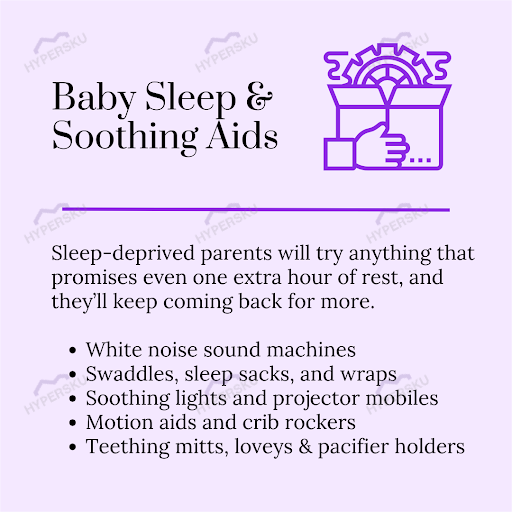
If you have ever seen a sleep-deprived parent, you know they will do literally anything for a decent night’s rest. That is exactly what makes these types of baby products so powerful and emotionally loaded.
New parents are overwhelmed and desperate for anything that helps their baby sleep longer. And unlike impulse gadgets, sleep-related products are investments. If it might even help their baby sleep better, it is going straight into the cart.
Bonus: This niche has very loyal repeat buyers. You win their trust on one item, and they are coming back for everything else.
Your buyers:
- First-time parents and new moms
- Grandparents and relatives buying gifts
- Parents of colicky or high-needs babies
- Parents in parenting Facebook groups or baby forums
What sells well:
- White noise machines and portable sound soothers
- Swaddle wraps and sleep sacks
- Soothing night lights and projector mobiles
- Baby-safe essential oil diffusers
- Rocking crib attachments or motion aids
- Pacifier holders, teething mitts, and calming loveys
8. Health Optimization & Recovery Products
There is a whole wave of consumers now obsessed with optimizing how they feel, not just avoiding sickness, but actually feeling great every day. These aren’t your average gym rats either. These are people tracking sleep cycles and doing cold plunges at 6 a.m.
It is a growing audience that lives on YouTube deep dives and wellness podcasts. They research like crazy and buy fast when they find something that fits their routine. And the best part is, they are looking to optimize everything they buy.
Like, for them, it is not enough to take creatine. They will be on Reddit threads and watching expert breakdowns about creatine intake timing – pre-workout vs. post-workout, with carbs or fasted, morning or night.
Now this might sound small, but for this crowd, it is everything. It shows how detail-obsessed they are and how much they are willing to spend on supplements and trackers that give them a measurable edge. And the margins on wellness tools – very, very nice.
Your buyers:
- Health nerds and biohackers
- Athletes, runners, and lifters
- Overworked professionals looking to de-stress and sleep better
- People recovering from injuries or burnout
- Men and women 25–45 looking for “daily edge” products
What sells well:
- Sleep tracking rings and wearable monitors
- Red light therapy lamps and panels
- Percussion massage guns (targeted or mini versions)
- Compression wraps and recovery sleeves
- Blue light blocking glasses
- Adaptogen teas and stress-reducing tinctures (where legally allowed)
9. Smart Home Automation Accessories
Smart home gear helps people feel more in control, more efficient, and yes, more fancy. These products used to feel ultra high-tech and expensive. Not anymore. These days, you can automate your lights, curtains, and even your coffee machine for the price of a night out.
Once buyers get a taste of that convenience, they keep coming back. They are upgrading one room at a time, which means repeat purchases and upsells galore.
Your buyers:
- Millennials setting up their first apartment or home
- Tech-savvy homeowners who love gadgets
- Busy families trying to make mornings less chaotic
- Renters looking for plug-and-play upgrades
- People into minimalism and productivity hacks
What sells well:
- Smart plugs and timers (for lights, fans, etc.)
- Motion sensor lights for stairs, closets, hallways
- Voice-controlled LED strips
- Remote curtain or blind openers
- Smart diffusers and air purifiers
- Door sensors and mini security alarms
10. Elderly Care & Mobility Aids
This is one of the most underestimated niches – and it is quietly growing faster than most others. According to a recent study, seniors in the U.S. are responsible for about 50% of all healthcare spending, and it is expected to grow by 7% in coming years.
Most people don’t talk much about mobility issues, but they will absolutely shop for ways to make life easier for their aging parents and grandparents.
The best part is these are products that can’t be bought on the spur of the moment. Caregivers and family members are actively researching. That means they are already typing detailed questions into Google and reading buyer guides before they ever land on your store.
And that is where your biggest edge lies – you can literally study their thought process before you sell to them. A great example is MedicalAlertBuyersGuide. It is a research hub that reviews different medical alert systems and aging-in-place products. All these are based on the needs of older adults and their caregivers.

Spend 30 minutes on that site and you will come away knowing exactly what this audience is worried about, what features they value, and how they decide what to buy. And this kind of insight is exactly what you need to create product pages and ads that actually convert.
Your buyers:
- Adults shopping for aging parents or relatives
- Seniors living independently
- Professional caregivers and nurses
- Rehab patients recovering from injuries or surgeries
What sells well:
- Foldable canes, walkers, and step stools
- Shower grab bars and toilet seat risers
- Non-slip mats and easy-on slippers
- Bed rails and leg elevation pillows
- Pill organizers with alarms or smart reminders
- One-touch jar openers and arthritis-friendly kitchen tools
5 Dropshipping Niches You Should Avoid At All Costs
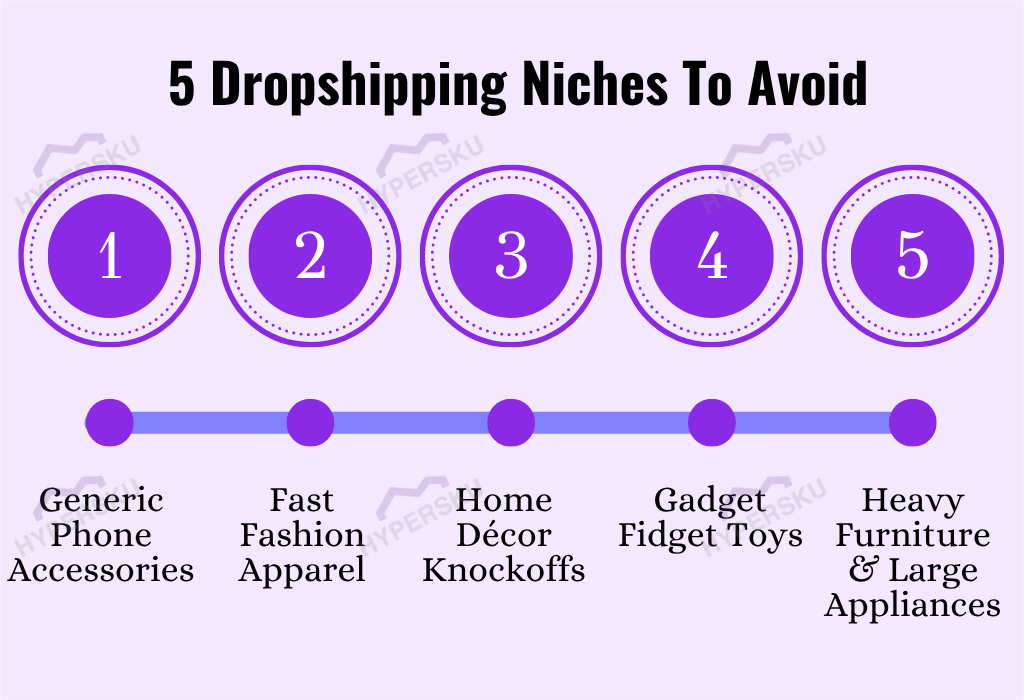
Most popular dropshipping niches just straight-up waste your time. They look exciting until you are stuck with refund requests or spending $50 to sell a $10 product. If you want to save yourself the stress (and your profit margins), completely skip these 5 dropshipping niches in 2025.
1. Generic Phone Accessories
At first glance, this niche looks like easy money. You see thousands of listings and think, “If everyone is selling them, they must be profitable, right?” No, this niche is a total race to the bottom.
Why this isn’t the right dropshipping niche:
- Oversaturated beyond belief. You are not just competing with other dropshippers – you’re going up against Amazon, AliExpress, Shein, Walmart, and every gas station on earth.
- Zero customer loyalty. No one cares where they get their cable from. They just want the cheapest one that arrives fast.
- Margins are garbage. These products are dirt cheap, but not cheap enough to be profitable after ad spend and shipping.
- High returns. If a $4 charger doesn’t work? Refund request. And now you are upside-down on the order.
The red flags:
- Everyone is selling the exact same thing.
- No room to differentiate unless you create your own brand (which beats the point of dropshipping).
- Extremely short product lifespan. These are break-and-replace items.
2. Fast Fashion Apparel
Yes, there is a huge global demand for the clothing niche. Yes, people love buying outfits online. But as a dropshipping niche, fast fashion is a brutal minefield that is more likely to destroy your dropshipping store than build a profitable business.
Why is it difficult to sell products in this specific niche:
- Sizing nightmares. Asian sizing, inconsistent fits, and vague product pages lead to one thing: returns. Lots of them.
- Trendy today, dead tomorrow. Fashion moves FAST. By the time you find a trending style and run social media ads, it is already played out.
- High customer expectations. People expect their clothes to look exactly like the photos and arrive quickly. None of that aligns with standard dropshipping.
- Returns = profit killer. Clothes are the #1 most returned product online. And returns in dropshipping eat the cost.
The red flags:
- You are listing 40 products and hoping one doesn’t tank.
- Suppliers are using fake or heavily edited photos.
- Fabric quality is a total gamble.
3. Home Décor Knockoffs
Selling aesthetic vases or Scandinavian-style clocks at a markup seems like a clever way to ride the Pinterest and interior design trend. But knockoff décor is a nightmare in disguise. Unless you are running a heavily curated eCommerce store with vetted suppliers, don’t gamble on someone else’s idea of “aesthetic.”
Why this niche backfires fast:
- Inconsistency is the default. You might list a product that looks stunning in photos – only for it to arrive looking like it was made in a high school art class.
- Breakability = refund city. Most home décor is fragile. And fragile + international shipping = disaster.
- Shipping is slow. Buyers hate waiting two weeks for something they thought was “premium.”
- Quality rarely matches the photos. You will get bad reviews fast, especially from buyers expecting a West Elm vibe for $28.
The red flags:
- Product descriptions are vague, with no size or material details.
- Packaging is non-existent or poor.
- You have never actually seen the item in real life.
4. Gadget Fidget Toys
The products in this niche dropshipping business come with a built-in expiration date. They pop off every few months. People go nuts, sell thousands in a weekend, and then… it all dies. Fast.
Why this niche flops long-term:
- Pure trend chasing. Fidget toys are the definition of a short hype cycle. They peak fast and crash faster.
- Child-focused = parents involved. Parents don’t love when their kid’s “toy” takes three weeks to arrive and looks nothing like the TikTok ad.
- Zero longevity. There is no path to building a brand around random gadgets that go viral once.
- Fake demand. Just because a product has 100M views doesn’t mean people are still buying it.
The red flags:
- You are basing product ideas entirely on TikTok trends.
- Ads go viral, but conversions are disappointing.
- The product gets banned from paid platforms (which happens more than you’d think).
5. Heavy Furniture & Large Appliances
This one is a silent trap for new dropshippers. Big-ticket items sound great – “I only need a few sales to make serious money!” But once you deal with the first broken shipment or angry customer, you will wish you had stuck to socks.
Why this niche is a logistical disaster:
- Shipping costs eat your margin alive — handling, weight fees, potential freight.
- Long delivery windows. People don’t like waiting 3–5 weeks for something they expect in 5–7 business days.
- Breakage = chaos. A cracked glass table? A dented fridge? Good luck explaining that to your customer.
- Returns are brutal. You can’t just tell someone to “send it back.” They can’t. It is a couch.
The red flags:
- Your product is over 15kg and not flat-pack.
- You haven’t worked out a return or damage policy.
- Your supplier doesn’t offer any protection on breakage.
How To Find The Most Profitable Dropshipping Niche: 5 Proven Strategies
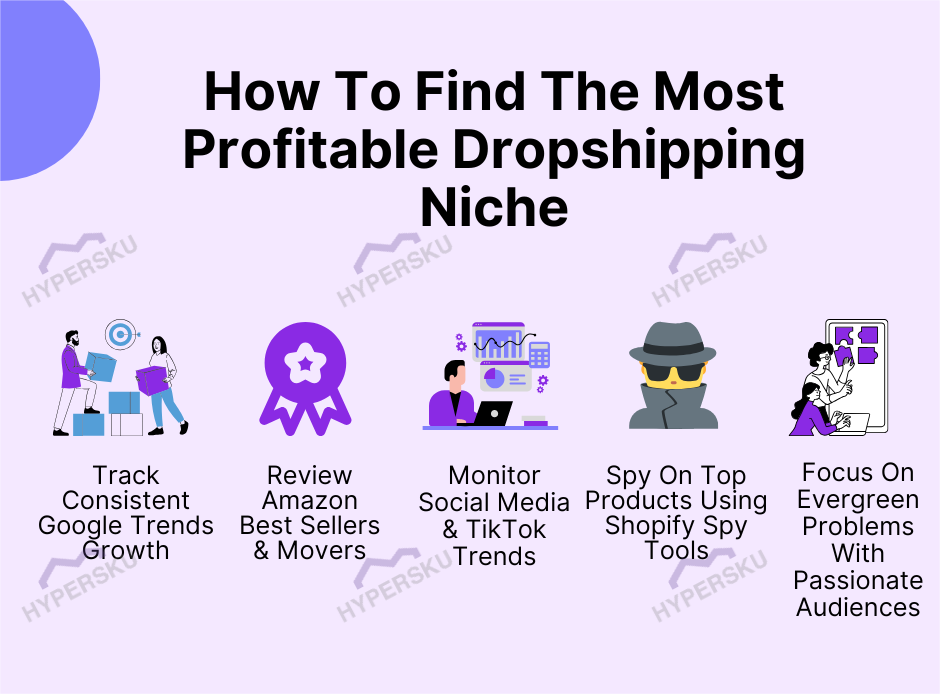
Most people are picking niche markets by copying whatever already went viral last month. That is not how a profitable dropshipping business operates. If you want a profitable niche that doesn’t fall apart in 6 weeks, you need to look for a real business strategy. Here are the 5 best ones.
1. Track Consistent Google Trends Growth
Don’t get distracted by sudden spikes. You are looking for niche ideas with slow and steady upward movement over the past 6–12 months. That is a clear sign of rising, sustainable interest.
- Go to Google Trends, type in niche keywords.
- Filter by “Past 12 months” and location-specific if needed.
- Look for gradual growth, not random peaks (those often signal fads).
- Compare multiple related terms to see what is actually catching on.
- Pair that with lower volume search queries using search engine optimization tools to see if people are actually searching for the product.
2. Review Amazon Best Sellers & Movers
Amazon’s bestseller lists are real-time market demand data. And the shoppers leave clues. If hundreds are raving about a product “solving X,” that is a niche begging for better marketing.
- Go to Amazon > Best Sellers, then drill down into subcategories.
- Look for repeat types of products showing up across similar categories.
- Click into the “Movers & Shakers” section to spot recent momentum.
- Read customer reviews – they will tell you what is working and what is missing.
- Hire an Amazon Seller Central expert to spot hidden niche gold. It is unconventional, but it works big time. These professionals know how to reverse-engineer what is selling and can read between the lines of bestseller trends. They analyze real-time customer behavior and flag rising subcategories you wouldn’t spot on your own.
3. Monitor Social Media & TikTok Trends
This is where you catch the most profitable dropshipping products before they explode. But instead of just watching market trends, observe buyer reactions.
- Search product hashtags like “#AmazonFinds,” “#TikTokMadeMeBuyIt.”
- Look for posts that trigger tons of saves, shares, and “Where did you get this?” comments.
- Don’t just follow big creators. Find the right influencers with high engagement and viral comments – they reflect the real curiosity of the target audience.
4. Spy On Top Products Using Shopify Spy Tools
Use tools like Minea, Koala Inspector, or PPSpy to get valuable insights into what is selling on other Shopify stores. These tools let you piggyback on someone else’s testing. Learn what works in the top dropshipping niches, then do it better.
- Look at ad frequency, engagement, and store activity.
- Filter by niche or country to narrow in.
- Track how long a product has been running ads – that is a great sign of consistent ROI.
Pro Tip: Hire a financial expert who understands eCommerce math. They can actually help more than you think. Once you have gathered intel from spy tools, a good eCommerce-savvy analyst can break it all down – estimate margins, cash flow cycles, ad spend viability.
Instead of guessing whether a niche is worth chasing, you will have someone crunching the real numbers behind what is working.
5. Focus On Evergreen Problems With Passionate Audiences
Forget trendy. You want problems that won’t go away and buyers who actually care. Most profitable niches grow slowly but pay out forever. Solve a real problem, and people will buy.
- Think of chronic pain, sleep issues, pet anxiety, skin conditions, the car accessories niche, etc.
- Look for online communities (Reddit, Facebook groups) where people vent, obsess, and recommend solutions.
- Passionate = people who conduct market research, compare, and share what works.
Now, here’s the real challenge most people don’t talk about: identifying the right audience for these evergreen problems isn’t as simple as it sounds. Sure, you can guess. You can assume a few demographics or interests. But unless you have done this before or have access to real market intelligence, you are shooting in the dark.
That is why this is the stage where it actually makes sense to bring in a digital marketing agency like SIXGUN. And yes, maybe that sounds cliché, but this can help you more than you think.
They know how to break down who you are marketing to and why they buy. Instead of testing 5 angles and burning through the budget, they will pinpoint exactly which segment of the market is already primed to care.
Whether it is the subreddit where your target hangs out or the TikTok trend they follow at 2 a.m., the agency can use that intel to position your brand to hit with the right message at the right moment.
When your niche is built on emotion or daily struggle, this level of targeting makes all the difference between “just another store” and a brand that is actually remembered.
Why HyperSKU Is Your Perfect Backend Partner
After all the hype around profitable dropshipping niches, the real shift happens when execution meets opportunity. And HyperSKU makes that effortless. We built our platform with one goal in mind: to support entrepreneurs who want to scale fast and smartly.
Here’s exactly what we bring to your table:
- Speedy & Reliable Sourcing: Tap into over 2,000 vetted factories for fast, cost-effective sourcing
- Express Global Shipping: Get packages to buyers in 7–12 days most everywhere – plus automated tracking and address validation to dodge headaches
- Real-Time Inventory & Pricing Sync: No more overselling – everything updates automatically across Shopify, WooCommerce, TikTok Shop, and more
- Quality Control & Custom Branding: We inspect every item, remove unwanted labels, and offer custom packing, bundle creation, and even product photography for a true brand experience
- Automation That Scales: One-click order fulfillment for up to 100 orders, centralized management across multiple stores, and smart features like bundle setups or BOGO deals
- Local Warehouse Storage: Keep top products stocked and ready in regional warehouses, so you can handle demand spikes without long delays
- Exceptional Customer Support by Real People: Enjoy 24/7 chat access, 3-to-1 account manager coverage, and proactive after-sales help that keeps the reputation of your online business intact
- Print-on-Demand & Private Label Options: Want to add your logo, custom prints, or original designs? We will take care of everything.
Conclusion
Most people scroll past real opportunities because they are too busy chasing what already worked for another successful online business. The thing is, most profitable dropshipping niches are just sitting slightly outside the comfort zone of the average seller.
Just don’t try to build a store for everyone. Build a successful dropshipping business for someone, and do it so well that they stick around.
At HyperSKU, we help you go beyond the usual AliExpress chaos. If you are building an online store in one of these profitable dropshipping products, we at HyperSKU make sure the backend actually keeps up. We source products fast from trusted suppliers and ship in 7–12 days, not 30 – meaning happier customers, fewer chargebacks, and better reviews.
Try HyperSKU for free or contact our sales team to see how we can help you sell online.
The world of e-commerce is constantly evolving, and private label dropshipping has emerged as one of the most lucrative business models in 2025. Unlike traditional dropshipping, private label dropshipping allows entrepreneurs to create unique brands by customizing and branding products sourced from suppliers — without the need to hold inventory or manage shipping logistics.
If you’re looking to build a profitable online business this year, understanding private label dropshipping and discovering the best private label products to sell is essential.
In this blog, we cover:
- What private label dropshipping is and how it differs from traditional dropshipping
- Why 2025 is the ideal year to dive into private label dropshipping
- Top exclusive private label product niches to help you start your business
- How partnering with HyperSKU can boost your private label brand’s success
Let’s dive in!
Understanding Private Label Dropshipping: What You Need to Know
What Exactly Is Private Label Dropshipping?
Private label dropshipping is a business approach where you sell products branded with your own label, but the production, storage, and delivery are handled entirely by a third-party supplier. This means you can focus on designing and marketing your brand without dealing with inventory management.
How It Stands Apart from Traditional Dropshipping
Unlike traditional dropshipping — which involves selling generic, unbranded items sourced directly from suppliers — private label dropshipping empowers you to build a branded product line. This brings more control over the product’s look, feel, and customer experience.
Benefits of Private Label Dropshipping:
- Brand Ownership: Create a distinct brand that customers can recognize and trust.
- Better Profit Potential: Set your own pricing strategy, increasing your margins.
- Competitive Edge: Offer unique, branded products that differentiate you from other sellers.
Potential Drawbacks:
- Increased Marketing Needs: Establishing brand awareness takes more time and effort.
- Initial Costs: You’ll invest upfront in branding, packaging, and promotional activities.
Supplier Coordination: Managing the supply chain and supplier relationships can be more involved.
The Private Label Boom: Why 2025 Is a Game Changer
Let the numbers speak for themselves: private label products have been gaining impressive momentum worldwide. According to data from NIQ RMS in Q2 2024, value sales of private label items grew by 5.6% compared to the previous year. The fastest growth came from regions like the Middle East and Africa, soaring by 34.3%, and Latin America, which saw a 14.2% increase—both largely influenced by inflationary pressures. Globally, private labels are steadily capturing a bigger share of the market, showing that consumers are increasingly choosing these brands over traditional options.
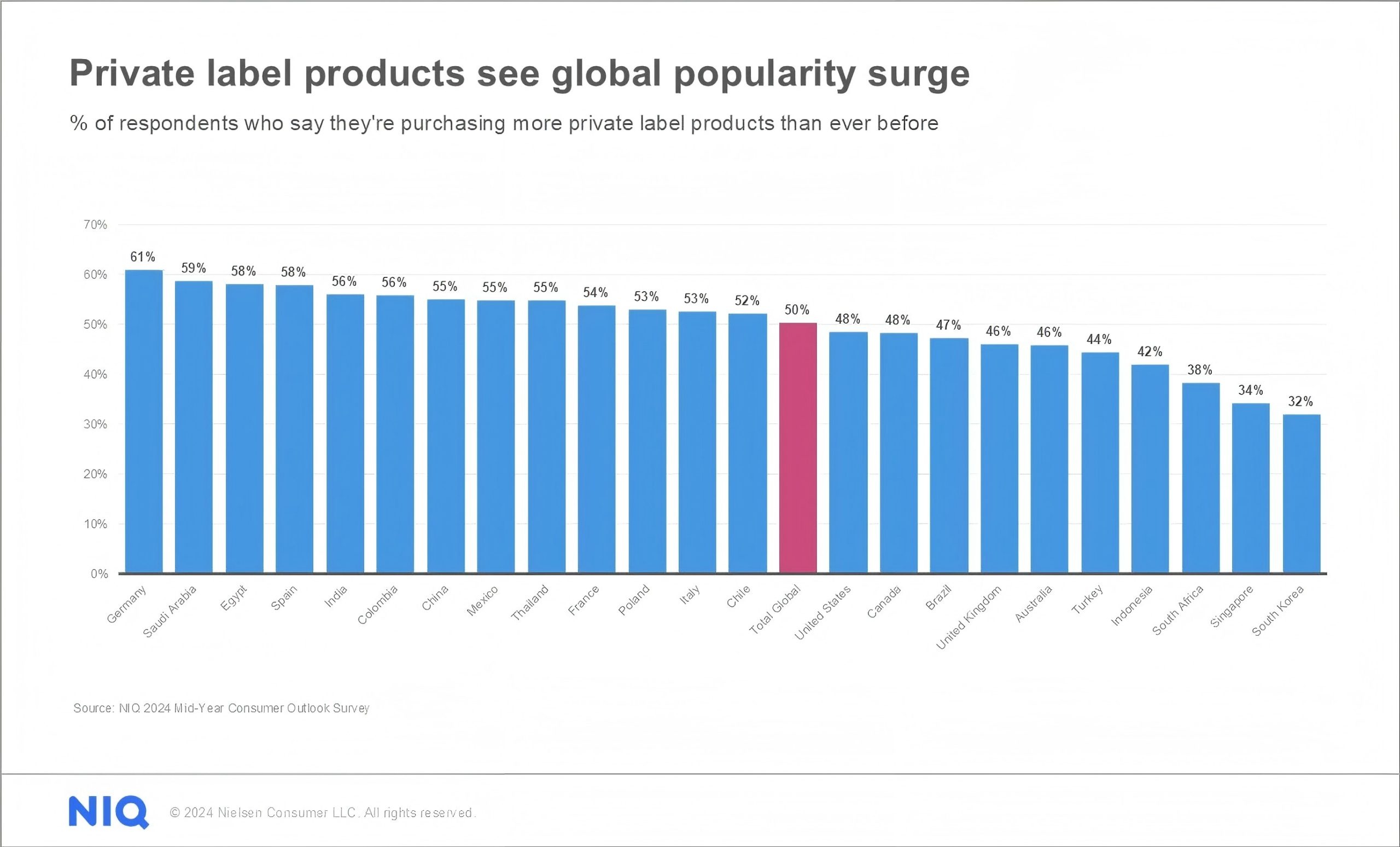
Changing Consumer Mindsets: The Private Label Advantage
As we head into 2025, shoppers are no longer just buying products—they’re looking for items that align with their personal identity and values. The demand for authentic, high-quality, and customizable products continues to rise, with consumers willing to invest more in brands that reflect their individuality.
- The Need for Personalization: Today’s consumers want to stand out. According to a 2024 report by Sender, 84% of buyers say they prefer being treated as unique individuals rather than just numbers, a trend especially strong among younger generations seeking tailored shopping experiences.
- Growing Confidence in Quality: Trust in private label products is increasing. A 2023 McKinsey study shows that over 80% of US consumers rate private-label food items as equal or superior in quality to national brands, while nearly 90% believe private labels deliver equal or better value. This demonstrates that quality and affordability are crucial factors driving the private label market growth.
Market Insights: Key Data Shaping Private Label Success
In 2025, the private label landscape isn’t just growing—it’s evolving in ways that open new doors for ambitious dropshippers. The real advantage lies in knowing exactly where to focus: from carving out micro-niches to targeting regions with explosive e-commerce growth. Here’s your data-driven guide to spotting—and seizing—those high-impact opportunities.
1. Find Your Sweet Spot: Niche Within Niches
Instead of entering broad, crowded categories like “health and beauty” or “home goods,” the real winners are the micro-niches. For example, instead of generic skincare, think “anti-blue-light screen-protection facial mist.” This sharpens your marketing, reduces competition, and allows deeper brand connections.
As one dropshipper shared on Reddit:
“I tend to start large niche then go down a rabbit hole to find a niche within the niche… clothing → dresses with pockets only.”
2. Rapidly Growing Regions You Can’t Ignore
Emerging markets are where ambitious dropshippers can stake their claim—fast growth and high receptivity create fertile ground:
- Latin America: E-commerce here is projected to grow at a CAGR of 8.5% from 2023 to 2027, increasing from USD 182.7 billion in 2022 to around USD 269.8 billion by 2027.
- Middle East & Africa: Online shopping markets are expanding at a CAGR of 9.64%, with e-commerce GMV rising from USD 114.4 billion in 2022 to USD 179.1 billion by 2027.
- Social Commerce Boom: In the Middle East & Africa, social commerce is booming—expected to hit USD 12.58 billion in 2024, growing at 27.6% CAGR through 2029.
3. Cross-Border Growth via New Platforms
With entry barriers at an all-time low, even small private label brands can now reach global customers faster than ever:
New-generation platforms like PrestaShop, and Lightfunnels offer integrated tools for storefront creation, payment processing, and logistics coordination—tailored for cross-border selling. Combined with hyper-targeted niches and rising demand in emerging markets, these platforms enable brands to scale internationally without the cost burden of maintaining local inventory.
10 Exclusive Private Label Product Niches for 2025
With competition heating up, simply knowing “what’s trending” isn’t enough—you need niches that are not only popular but also have clear room for differentiation. These 10 curated product categories for 2025 are designed to help private label dropshippers target specific audiences, build brand loyalty, and capture market share with products that feel personal and premium.
1. NAD Supplements

Why It’s Perfect:
NAD supplements tap into the booming longevity and biohacking trend. Consumers are increasingly interested in products that support energy metabolism, cognitive function, and anti-aging, making this a high-potential niche.
Example Stores:
- Elysium Health – Focused on science-backed NAD+ supplements.
- Tru Niagen – Popular brand targeting energy and cellular health.
2. Blue Light Glasses
Why It’s Perfect:
With the rise of remote work and screen-heavy lifestyles, blue light glasses are in demand to reduce eye strain and improve sleep quality. They appeal to both office workers and gamers.
Example Stores:
- Felix Gray – Stylish blue light glasses with clear lenses.
- Swanwick – Known for fashionable and effective blue light protection.
3. Luxury Sleep & Relaxation Products
Why It’s Perfect:
Self-care and wellness continue to dominate consumer priorities. High-quality sleep masks, weighted blankets, and aromatherapy products meet the growing demand for better sleep and relaxation.
Example Stores:
- Brooklinen – Premium bedding and sleep accessories.
- Hatch – Offers sleep-focused gadgets and wellness products.
4. Gender Neutral Swimwear

Why It’s Perfect:
The inclusivity movement has driven demand for clothing that transcends traditional gender categories. Gender-neutral swimwear appeals to consumers seeking comfort, style, and self-expression.
Example Stores:
- Humankind – Inclusive and sustainable swimwear.
- TomboyX – Known for gender-neutral and body-positive swim collections.
5. Eco-Friendly Baby Clothes
Why It’s Perfect:
Parents increasingly prioritize sustainability and safety for their children. Bamboo fiber and organic cotton baby clothes align with this eco-conscious mindset, offering comfort and environmental responsibility.
Example Stores:
- Burt’s Bees Baby – Organic and sustainable baby apparel.
- Finn + Emma – Focused on eco-friendly, non-toxic clothing for infants.
6. Spiritual Products

Why It’s Perfect:
Products like tarot cards, crystals, and meditation tools cater to a growing community interested in mindfulness, self-discovery, and spiritual wellness.
Example Stores:
- Mystic Mondays – Tarot decks and spiritual products.
- Energy Muse – Offers crystals and wellness tools for personal growth.
7. Subscription Box for Small Pets

Source: Unsplash
Why It’s Perfect:
Pet owners are increasingly seeking specialized care and experiences for their small pets, such as rodents or reptiles. Subscription boxes offer convenience, surprise, and ongoing engagement.
Example Stores:
- Bunnie Box – Subscription boxes for small animals like rabbits and guinea pigs.
- Beardie Box – Monthly curated boxes for bearded dragons and reptiles.
8. Sustainable Cultural Fashion
Why It’s Perfect:
There’s a growing interest in fashion that celebrates cultural heritage while being sustainable. Indian, Muslim, and Middle Eastern-inspired designs cater to niche markets looking for authenticity and eco-conscious materials.
Example Stores:
- Suta – Sustainable, traditional Indian garments.
- Haute Hijab – Eco-conscious modern hijabs and modest fashion.
9. Home Office Wellness & Ergonomic Desk Gear
Why It’s Perfect:
As remote work becomes standard, ergonomic and wellness-focused office products are in high demand. These items improve comfort, productivity, and overall health.
Example Stores:
- Kensington – Offers a wide range of proven ergonomic desk accessories
- Uplift Desk – High-quality standing desks and ergonomic solutions.
10. Artisanal Kitchenware
Why It’s Perfect:
Consumers are seeking unique, high-quality kitchen tools that combine functionality and aesthetics. Artisanal kitchenware appeals to home chefs, gifting markets, and lifestyle-conscious shoppers who value craftsmanship.
Example Stores:
- The Curated Pantry – Features hand-blown glassware and hand-carved utensils that embody artisan quality and authentic storytelling
- Serrv – Features fair-trade, artisanal kitchen tools made by skilled craftspeople worldwide.
Building Your Brand: How HyperSKU Supports Your Private Label Journey
Launching a successful private label brand can be exciting but also challenging. From sourcing the right products to managing packaging, fulfillment, and quality control, there are many moving parts to juggle. That’s where HyperSKU comes in. By streamlining key aspects of the private label process, HyperSKU empowers entrepreneurs to focus on what really matters: building a strong, memorable brand that stands out in today’s competitive e-commerce market.
1. Simplified Product Sourcing
HyperSKU connects you with a wide range of vetted suppliers, making it easier to find the perfect products for your private label. Whether it’s eco-friendly baby clothes or artisanal kitchenware, you can source high-quality items quickly and efficiently.
2. Custom Branding Made Easy
With HyperSKU, adding your logo, custom packaging, or unique labeling is straightforward. This ensures every product reinforces your brand identity and stands out in the competitive e-commerce landscape.

Wanna see how HyperSKU Brandlift Package can empower your business? Get more info
3. Streamlined Order Fulfillment
HyperSKU handles inventory, packaging, and shipping, saving you time and reducing operational headaches. This lets you focus on marketing, customer engagement, and scaling your business.

4. Quality Control You Can Trust
From pre-shipment inspections to consistent supplier monitoring, HyperSKU helps maintain high-quality standards, ensuring your private label products meet customer expectations.
5. Fast and Reliable Shipping
HyperSKU’s global fulfillment network enables faster delivery times and reliable logistics, providing a better customer experience and reducing the risk of negative reviews.
6. Support for Scaling Your Brand
Whether you’re testing a new niche or expanding internationally, HyperSKU’s private label solutions make it easier to scale without sacrificing quality or control.
Final Thoughts
Building a successful private label brand doesn’t have to be overwhelming. With HyperSKU’s streamlined sourcing, custom branding, reliable fulfillment, and quality control, entrepreneurs can focus on growing their business, connecting with customers, and bringing their unique vision to life. Whether you’re just starting out or looking to scale, HyperSKU provides the tools and support you need to turn your private label dreams into reality.
Frequently Asked Questions
1. Why choose private label dropshipping over regular dropshipping?
Private label dropshipping allows you to sell branded products under your own label, increasing perceived value and customer loyalty. It differentiates your store from generic dropshipping shops and can justify higher prices.
2. How can HyperSKU help me find private label suppliers?
HyperSKU connects you with vetted suppliers offering customizable products ready for private labeling. You can filter suppliers by product category, MOQ, and shipping capabilities to find the best fit for your brand.
3. Can I customize the packaging for my private label products?
Yes! HyperSKU supports custom packaging and branding options, including logo printing, branded boxes, and inserts, helping you create a memorable unboxing experience.
4. How do I ensure product quality when private labeling?
HyperSKU allows you to request samples from suppliers before bulk orders. You can also read supplier reviews, check certifications, and communicate directly with dropshipping suppliers to maintain quality standards.
5. Do I need to handle inventory for private label dropshipping?
No. HyperSKU handles order fulfillment and shipping directly from suppliers, so you don’t need to stock products. You can focus on marketing and growing your brand.
6. How long does it take to launch a private label product using HyperSKU?
The timeline depends on customization and shipping. Simple logo-branded items can be launched within a few weeks, while fully customized products with branded packaging may take longer. HyperSKU provides estimated production and shipping times for planning.
SHEIN built its empire on a simple promise: runway trends, factory prices, delivered to your door in days. For a while, it worked flawlessly. Thousands of new styles added daily, TikTok hauls that racked up millions of views, and prices so low that buying five items felt like buying one anywhere else.
But 2026 looks different. The de minimis exemption — the trade rule that let packages under $800 enter the U.S. duty-free — ended for Chinese shipments on May 2, 2025, and globally on August 29. SHEIN’s response was immediate: prices started rising on April 25, 2025, and by mid-summer, some items had more than doubled in cost.
The $4 tank tops and $9 dresses that made SHEIN famous? Still there — just not at those prices anymore. If your last SHEIN order felt noticeably more expensive than you remembered, you aren’t alone. That’s exactly why so many shoppers and e-commerce entrepreneurs are now looking for sites like SHEIN that still deliver on affordable, trend-driven fashion without the sticker shock.
The SHEIN Phenomenon : What Changed in 2026?
To find a true alternative, we first need to understand what made SHEIN the “Goliath” of fast fashion and why that model is currently under immense pressure.
Why Shoppers Couldn’t Get Enough
SHEIN’s rise wasn’t accidental. It was a perfect storm of supply chain efficiency and digital marketing:
- Rock-bottom prices: Direct-from-factory sourcing and enormous scale made $5 dresses a reality.
- Endless new arrivals: With an AI-driven design cycle, thousands of fresh styles were added daily.
- Influencer-driven discovery: TikTok hauls and a well-oiled affiliate program turned shopping into a cultural event.
The 2026 Reality Check: Why the “Golden Era” Ended
The “secret sauce” of SHEIN was its ability to bypass traditional import duties. However, the regulatory landscape has shifted permanently:
- The End of De Minimis: Since the policy change in May 2025, the era of “tax-free” individual packages is over. Reports indicate that formerly duty-free items are now subject to significant import taxes, causing prices to more than double on certain items.
- Structural Tariff Hits: Average U.S. apparel import tariffs reached 35.1% in late 2025, a sharp rise from the previous year. Analysts at Stanford Graduate School of Business note that the double blow of ending de minimis and rising tariffs has forced companies to pass these costs directly to consumers.
- The Quality-Value Pivot: Supply chain experts observe that platforms are now forced to choose: absorb the margin hit or raise prices. In 2026, “cheap” is no longer enough; shoppers now demand “value”—a balance of price and durability.
Expert Insight: “The 2026 fashion market is no longer a race to the bottom on price. It’s a race for logistics stability. Platforms that canconsolidate shipmentsand manage quality control effectively are the ones winning over former SHEIN loyalists.”
Top Sites Like SHEIN in 2026
SHEIN’s pricing model has changed, but the appetite for affordable, trend-driven fashion hasn’t. Here are the best alternatives worth knowing in 2026 — from established platforms to fast-rising newcomers.
ASOS
If SHEIN is the algorithm, ASOS is the department store. It carries thousands of its own-brand pieces alongside labels you’d actually recognize — giving you more range without the quality lottery.
- Best for: Trend-conscious shoppers who want variety beyond fast fashion
- Pros: Massive selection across apparel, accessories, and beauty; mix of affordable and premium options; ships to 200+ countries
- Cons: Prices sit higher than SHEIN; popular styles can sell out fast
👉 If you’re ready to spend slightly more for noticeably more consistency, ASOS is the natural upgrade.
Amazon Fashion
The most practical Temu alternative is also one of the best SHEIN alternatives — especially for US shoppers. Amazon Fashion aggregates thousands of budget-friendly clothing sellers, but with domestic fulfillment, reliable tracking, and returns that don’t require a dispute process.
- Best for: US shoppers who prioritize fast, predictable delivery
- Pros: Huge selection, easy returns, Prime shipping, trusted buyer protection
- Cons: Less of the curated “fashion discovery” feel; quality varies by seller
👉 Not the most exciting browsing experience, but the most dependable one.
TikTok Shop
TikTok Shop has quietly become one of the most powerful fashion discovery platforms in the world. If something is trending in your For You page, there’s a good chance it’s already available to buy in-app — often from the same creator promoting it.
- Best for: Shoppers who want to buy what’s going viral right now
- Pros: Real-time trend discovery, social proof built in, influencer-backed products
- Cons: Harder to search and filter, delivery experience varies by seller
👉 The closest thing to SHEIN’s influencer energy, but in a live, social format.
ROMWE
ROMWE is essentially SHEIN’s sibling — same parent company, same aesthetic, similar price points. If you love SHEIN’s style but want to browse a slightly different catalog, ROMWE is the most seamless switch.
- Best for: Ultra-budget shoppers who want the SHEIN look elsewhere
- Pros: Very low prices, constant flash sales, familiar sizing and aesthetic
- Cons: Quality can be inconsistent, shipping times vary by region
👉 The easiest lateral move from SHEIN — just don’t expect a dramatically different experience.
Boohoo
Boohoo does what SHEIN does, but with a slightly more UK-influenced aesthetic. Frequent new drops, aggressive discounting, and a catalog that covers everything from athleisure to going-out looks.
- Best for: Affordable casual and partywear
- Pros: Massive style catalog, often 40–60% off, wide range of styles
- Cons: Fast fashion quality — not built to last multiple seasons
👉 Great for trend-led, high-volume wardrobe refreshes where longevity isn’t the priority.
PrettyLittleThing
PLT lives and breathes influencer culture. Its product selection is built around what’s performing on social media right now — bodycon sets, co-ords, cutout dresses — at prices that make buying for a single occasion feel reasonable.
- Best for: Influencer-inspired, going-out looks
- Pros: Strong trend curation, constant promos, great for statement pieces
- Cons: Limited basics, can experience shipping delays in peak periods
👉 Best used for event-specific purchases rather than building a wardrobe.
Nasty Gal
Nasty Gal occupies its own lane — edgier and more distinctive than most budget fashion platforms, with a design aesthetic that doesn’t look like it came off the same production line as everything else.
- Best for: Bold, statement-making pieces for nights out or special occasions
- Pros: Unique designs, frequent site-wide sales, good size range
- Cons: Smaller catalog overall, quality varies by product
👉 When you want something that actually looks different from what everyone else is wearing.
Zaful
Zaful has carved out a clear niche: affordable swimwear and warm-weather fashion done well. If you’re building a summer wardrobe or festival kit on a budget, it’s hard to beat.
- Best for: Swimwear, beachwear, and summer festival fashion
- Pros: Affordable bikinis and sets, trendy youthful designs, seasonal bundles
- Cons: Limited range outside summer styles, sizing can run small
👉 Seasonal and specific — but very good at what it does.
Urbanic
Urbanic plays in a slightly different space than the rest of this list — cleaner lines, more minimal aesthetic, less of the maximalist trend-chasing that defines SHEIN or PLT.
- Best for: Chic, minimalist styles on a budget
- Pros: Sleek fashion-forward aesthetic, regular seasonal collections, free shipping in select regions
- Cons: Smaller catalog, shipping can be slower outside main markets
👉 If your style runs more quiet luxury than fast fashion, Urbanic is worth bookmarking.
How to Choose the Right SHEIN Alternative for You
With prices higher across the board in 2026, choosing the right platform matters more than it used to. Here’s how to narrow it down.
Define Your Budget
The price gap between platforms is more meaningful now that the de minimis era is over. ROMWE and Boohoo are still the closest to old SHEIN price points. ASOS and Urbanic cost more, but you’ll usually get pieces that hold up beyond one season.
Consider Your Style
- Trendy and bold: PrettyLittleThing, Nasty Gal
- Minimalist chic: Urbanic, ASOS
- Festival or summer-ready: Zaful
- Viral and social-driven: TikTok Shop
- Reliable everyday basics: Amazon Fashion
Prioritize Shipping Speed
This matters more in 2026 than it did two years ago. Amazon Fashion is the fastest for US orders. ASOS is reliable for international. ROMWE and Zaful can be slower depending on your region — always check estimated delivery dates before buying.
Think About Longevity vs. Quantity
If you want pieces that last multiple seasons, spend a little more on ASOS or Urbanic. If you like refreshing your wardrobe constantly, a lower-cost platform still makes sense — just go in with realistic expectations on quality.
Sustainability Concerns
Fast fashion across the board carries environmental trade-offs. If this matters to you, ASOS has made more public commitments around sustainable collections than most others on this list, and Urbanic’s smaller catalog tends to mean less pure volume churn.
Beyond SHEIN: Build the Fashion Store Shoppers Are Looking For
Women’s fashion has always been one of the most profitable categories in eCommerce — and 2026 has only made the opportunity clearer. The shoppers who’ve drifted away from SHEIN’s old model aren’t gone. They’re looking for somewhere better to land.
The brands winning right now aren’t just listing on marketplaces. They’re building their own Shopify stores that deliver what SHEIN originally promised — trend-driven products, fast shipping, a seamless checkout — but with more consistency and control over the customer experience.
That’s where HyperSKU comes in. We work behind the scenes to help fashion brands source verified products, navigate the new tariff and logistics landscape, and ship reliably across borders — without the quality roulette that comes with open marketplaces.
We’ve already helped brands do exactly this. Read the full story to see how.
DTC
A fashion brand successfully launched their product line with visually consistent, customer-ready products and saw orders grow 6X month-over-month.

Ready to Build the Next Fashion Brand Shoppers Love?
HyperSKU provides the supply chain infrastructure to power your fashion store — from verified factory sourcing to fast, global fulfillment.
Start Sourcing SmarterFAQs About Sites Like SHEIN
What is the best alternative to SHEIN in 2026?
It depends on what you’re after. For the widest range with more consistent quality, ASOS is the most natural upgrade. If you want to stay as close to SHEIN’s price point as possible, ROMWE or Boohoo are the closest equivalents. For real-time trend discovery, TikTok Shop has become one of the most powerful fashion platforms going. And for US shoppers who prioritize fast, reliable delivery, Amazon Fashion is hard to beat.
Is SHEIN still worth using in 2026?
SHEIN is still one of the largest fashion platforms in the world, and it’s still adding new styles daily. But prices have risen significantly since the de minimis exemption ended in May 2025 — some items more than doubled in cost within weeks of the policy change. If you’re a longtime SHEIN shopper, you’ll notice the difference. It’s still usable, but the value proposition that made it famous has shifted.
Are SHEIN alternatives actually cheaper than SHEIN now?
In some cases, yes. With SHEIN’s prices up across the board since mid-2025, platforms like ROMWE and Boohoo now compete more directly on price than they used to. That said, the era of sub-$5 clothing across all platforms is largely over — the same tariff changes that hit SHEIN affect most cross-border fashion imports. Budget accordingly and always check final landed prices before buying.
Which SHEIN alternative has the fastest shipping?
For US-based shoppers, Amazon Fashion is the fastest option by a significant margin thanks to domestic fulfillment. ASOS tends to be the most reliable for international orders. Cross-border platforms like ROMWE and Zaful can take longer depending on your region — always check estimated delivery windows before committing.
What’s the best SHEIN alternative for trendy fashion?
TikTok Shop and PrettyLittleThing are the closest to SHEIN’s trend-first model. TikTok Shop surfaces what’s going viral in real time, while PLT focuses on influencer-curated looks at accessible prices. For something with more distinctive, edgier styling, Nasty Gal is worth exploring.
Are there sustainable alternatives to SHEIN?
Fast fashion across the board carries environmental trade-offs, but some platforms are moving in a better direction. ASOS has made public commitments around sustainable collections and has a dedicated “Responsible Edit” section. Urbanic’s smaller, more curated catalog also means less pure volume churn compared to SHEIN’s thousands-of-new-items-daily model.
Can I build my own store instead of relying on these platforms?
Absolutely — and more sellers are going this route in 2026. Independent Shopify stores give you full control over branding, pricing, and the customer experience, without being subject to platform rule changes. The challenge is sourcing and fulfillment, which is where a partner like HyperSKU can help handle the supply chain side so you can focus on building the brand.
Here’s the scenario: you’ve taken the leap into dropshipping — congrats. You’ve set up your store, picked your niche, done your product research, and maybe even made your first sales. Chances are, you started by working with either a private agent or a dropshipping supplier platform to handle fulfillment.
At first, both options might seem fine. But as your store begins to grow — more orders, more customers, more complexity — the choice of fulfillment partner becomes more than just operational. It directly affects your ability to scale, build a brand, and deliver consistent customer experience.
So… which is better for growing your brand?
In this article, we cover:
- Key differences between private agents and dropshipping suppliers
- Why scaling SMBs are moving away from agents
- How dropshipping supplier help with brand scaling
- When to consider switching
Whether you’re preparing to scale or already facing fulfillment challenges, this guide will help you evaluate your options — and choose the right path forward for your brand.
Why Choosing the Right Dropshipping Supplier Matters
When you first start dropshipping, a private agent might seem like the ideal partner — flexible, affordable, and available when you need them. In the early days, when you’re handling just a few orders and learning the ropes, they can be surprisingly responsive. You get one-on-one support, direct communication, and help with sourcing or problem-solving on demand.
But as your business grows, that level of responsiveness becomes harder to maintain. With more orders, more customer issues, and tighter delivery expectations, your agent’s time and capacity may start to stretch thin. Delayed replies, missed follow-ups, or fulfillment errors can quickly snowball — affecting your customer experience and your brand.
Fulfillment isn’t just a back-end task. It directly impacts your brand reputation, customer retention, and your ability to scale profitably. If you’re running 10 or more orders per day, or preparing for aggressive marketing campaigns, it’s worth asking whether your current setup can keep up. Many merchants at this stage switch to a more scalable dropshipping supplier platform that offers better infrastructure, automation, and support for growing brands.
A Common Scenario for Growing Dropshippers
Here’s a real-world example that might sound familiar.
Andrew, a seasoned dropshipper in Europe focused on bedding products, was ready to scale. With daily orders rising to 60–100, he expected his operations to grow with him. But his private agent — helpful in the beginning — started to fall behind.
Manual workflows slowed things down. Subpar packaging led to damaged products and unhappy customers. And with limited capacity, his agent couldn’t respond quickly as issues mounted. The growing pains became business risks.
After switching to HyperSKU, things changed fast. Within just a month, Andrew’s store fulfilled over 3,000 orders and surpassed $10,000 in revenue — powered by better packaging, automation, and full transparency. Now, he’s scaling with confidence and far fewer headaches.

👉 Learn how HyperSKU helped Andrew grow with confidence
Private Agent vs. Dropshipping Supplier: What’s the Difference?
When it comes to order fulfillment, most dropshippers start with either a private agent or a dropshipping supplier platform like HyperSKU. While both can help you source and ship products, their approach and ability to support your growth are very different.
Definitions
- Private Agent: An individual or small team who manually sources and fulfills orders, usually communicating one-on-one through tools like WhatsApp or WeChat.
- Dropshipping Supplier Platform: A technology-driven solution that offers automated order syncing, faster fulfillment, centralized product sourcing, and brand customization — all in one place.
Core Service Differences
Private agents often provide a highly personal experience and flexibility early on. But their manual processes and limited bandwidth can become bottlenecks as your business scales. Dropshipping suppliers like HyperSKU offer scalable solutions that combine automation with real support — without relying on one person.
|
Feature |
Private Agent |
Dropshipping Supplier (e.g. HyperSKU) |
|
Product Sourcing |
Manual, case-by-case |
Platform-based with direct sourcing options |
|
Order Fulfillment |
Manual or semi-manual |
Automated and streamlined |
|
Shipping Speed |
Slower, may vary with workload |
Faster, more stable with logistics partners |
|
Communication |
Direct but limited during busy periods |
Dedicated support + dashboard tracking |
|
Branding Options |
Available but requires negotiation |
Custom packaging, inserts, and more |
|
Quality Control |
Varies by agent |
Built-in quality assurance |
|
Scalability |
Limited by agent’s capacity |
Scales easily with your business |
Why Scaling Brands Choose Vetted Dropshipping Suppliers like HyperSKU
As your store grows, informal and manual fulfillment setups often can’t keep up. That’s why scaling ecommerce brands are turning to professional dropshipping suppliers like HyperSKU — purpose-built to support your business as it scales, with structure, reliability, and brand-focused tools.
With HyperSKU, you get:
- Consistent quality control — Our dedicated warehouses and established supplier network help ensure stable product quality. For brands seeking even higher standards, our Brandlift Package offers enhanced quality checks, professional product photography, and test orders — giving you full visibility and control before launch.

- Faster, more reliable fulfillment — With streamlined logistics, most orders are delivered within 7–12 days to major destinations. (Delivery times may vary depending on countries and regions.)
- Multi-store integration and management — Manage multiple stores and sales channels from one dashboard. HyperSKU supports direct integrations with platforms like Shopify, WooCommerce, and more, making fulfillment smoother and more automated.
 See how easy it is to connect your store in our Help Center
- Automation that saves time — Our system eliminates manual processes like spreadsheets or copy-pasting tracking numbers. Orders are synced in real time, inventory is updated automatically, and fulfillment happens with just a few clicks.

- Brand-building support — Stand out in a competitive market with custom packaging, inserts, and content. With our Brandlift Package, you’ll gain access to tailored branding solutions such as:
- Custom-branded packaging and stickers
- Professional, studio-grade product photography
- Branding consultation from our team to help you design a consistent unboxing experience

- Ready-to-scale infrastructure — Whether you’re processing 10, 100, or 1,000 orders a day, HyperSKU’s operational setup and scalable logistics are built to grow with you — no extra hiring or agent coordination needed.
👉Learn more about our dropshipping services
Which Should You Choose Based on Your Business Stage?
As your business evolves, so do your fulfillment needs. Here’s how to evaluate which solution fits your current stage — and how to recognize when it’s time to upgrade.
Just Starting Out (Fewer than 10 Orders/Day)
If you’re new to dropshipping and still testing your product-market fit, working with a private agent may offer flexibility and low entry barriers. You might benefit from:
- Direct, one-on-one communication
- Lower minimum order quantities
- Quick, ad hoc support on sourcing and product updates
However, private agents typically rely on manual processes and operate without the systems needed for long-term growth.
Scaling SMBs (10+ Orders/Day)
Once your daily volume grows, fulfillment complexity increases — and small inefficiencies can start to impact customer satisfaction and business performance. Relying on a single agent at this stage often leads to:
- Delays in communication and problem-solving
- Packaging or fulfillment errors due to lack of process automation
- Difficulty tracking performance or scaling across multiple stores
- Limited access to branding or customization
This is where vetted dropshipping suppliers like HyperSKU make a difference — offering professional infrastructure, automation tools, and branding support tailored for scale.
Learn how HyperSKU helps SMBs streamline fulfillment and scale with confidence → Explore Our Services
Signs You’ve Outgrown Your Private Agent
Still unsure if it’s time to switch? Here are some common signs:
- You’re spending too much time on manual order updates or tracking issues
- Product quality or packaging complaints are increasing
- Your current partner can’t support new product launches efficiently
- You’re ready to build a brand, but lack the tools or flexibility
- Backend operations are slowing down your growth
If these challenges sound familiar, your business may be ready for a more scalable fulfillment solution.
Final Thoughts
Choosing between a private agent and a professional dropshipping supplier isn’t just about who can ship your products — it’s about who can support your growth. While private agents may offer flexibility in the early stages, they often fall short when it comes to consistency, scalability, and brand-building.
As your store grows, the right fulfillment partner becomes essential. Vetted dropshipping suppliers like HyperSKU provide the infrastructure, automation, and brand support today’s ecommerce businesses need to scale confidently.
Curious about how HyperSKU can fit into your growth strategy?
Learn more about our dropshipping services and see how we help brands build smarter, faster, and stronger.
Frequently Asked Questions
Do I need to use a dropshipping platform to run a dropshipping business?
No — but using a dropshipping platform can significantly improve your operations, especially as your order volume grows. While it’s possible to work manually or with a private agent, platforms like HyperSKU offer automation, inventory tracking, and direct platform integration that help reduce fulfillment errors, improve shipping times, and support long-term scalability.
How do I switch from a private agent to a professional dropshipping supplier?
Start by evaluating what your current agent is lacking — whether it’s speed, consistency, or branding. Then, explore vetted dropshipping suppliers like HyperSKU that offer fast onboarding, integration with your store, and responsive support. The transition typically involves syncing your product listings and SKUs, setting up fulfillment rules, and working closely with your new account manager to ensure a smooth switch.
Can a dropshipping supplier help with custom packaging and branding?
Yes. Not all dropshipping suppliers offer this, but HyperSKU provides advanced brand-building support, including custom packaging, branded inserts, and professional product photography through our Brandlift Package. These services help you stand out in a competitive market and build customer loyalty.
How do I know if my dropshipping supplier can handle scaling up my order volume?
Ask the right questions: Can they fulfill 100+ orders per day? Do they have automated systems in place? Is there a dedicated support team to resolve issues quickly? A supplier like HyperSKU is built for scale — offering stable fulfillment infrastructure, quality control processes, and transparent communication, so your operations remain smooth as you grow.
Running a dropshipping or online business is exciting — but it’s not without its challenges. From unreliable suppliers and delayed shipping to product quality issues and customer complaints, eCommerce sellers are constantly juggling tasks to keep their business afloat.

Among all these challenges, poor inventory management stands out as one of the most frustrating — and costly — problems. When your store runs out of stock, you lose sales. When inventory data isn’t synced, your customers may buy items that aren’t actually available. When restocking isn’t timely, it disrupts your entire fulfillment chain.
That’s why effective dropshipping inventory management is not just a “nice-to-have” — it’s a core foundation for sustainable growth.
In this blog, we’ll break down how HyperSKU Dropshipping helps sellers take control of their inventory with real-time tools, smart automation, and cross-platform visibility — so you can focus on scaling your business, not chasing stock updates.
Why Inventory Management Matters in Dropshipping
In the dynamic world of eCommerce, efficient inventory management is not just a backend operation—it’s a critical component that directly influences customer satisfaction, revenue, and overall business sustainability. For dropshipping businesses, where products are often sourced from multiple suppliers and shipped directly to customers, the stakes are even higher.
The High Cost of Stockouts and Overstocking
- Revenue Loss from Stockouts: Poor inventory management leads to significant financial losses. On average, businesses lose up to 11% of their annual revenue due to stockouts and overstocking.
- Customer Abandonment: Approximately 69% of online shoppers will abandon their purchase and shop with a competitor if their desired item is out of stock, leading to missed sales opportunities.
- Global Impact: Stockouts are responsible for $1 trillion in missed sales each year across the retail sector, with eCommerce businesses heavily impacted.
Source:firework
Operational Challenges in Dropshipping
- Manual Tracking Pitfalls: A significant number of small businesses—43%—do not track their inventory or use outdated manual systems, leading to inefficiencies and lost revenue.
- Inventory Visibility: Approximately 34% of eCommerce businesses find it challenging to manage inventory across multiple sales channels, leading to stock discrepancies and fulfillment delays.
Source:firework
The Role of Automation and Predictive Analytics
- Automation Benefits: Businesses that use automated inventory management systems reduce stockouts by 30%, as real-time tracking helps maintain optimal stock levels.
- Predictive Analytics: Research shows that companies adopting advanced forecasting methods can cut their inventory-related expenses by as much as 20%, resulting in improved cash flow and more efficient inventory management.
- AI Integration: Companies using AI for inventory management report a 20-50% reduction in forecasting errors, enhancing decision-making and operational efficiency.
Consumer Expectations and Delivery Efficiency
- Delivery Speed: 85% of online shoppers consider delivery options and speed crucial to their purchase decisions, emphasizing the need for efficient inventory management to meet these expectations.
- Order Fulfillment: Well-managed inventory systems reduce fulfillment times by 23%, leading to faster delivery and better customer satisfaction.
In conclusion, effective inventory management is paramount in the dropshipping model. It not only prevents revenue loss due to stockouts and overstocking but also enhances customer satisfaction through timely deliveries. Leveraging automation and predictive analytics can significantly mitigate operational challenges, ensuring a seamless shopping experience for customers.
What Makes Inventory Management So Difficult in Dropshipping?
While inventory management is vital for any eCommerce business, it presents unique challenges for dropshipping businesses due to the very nature of the model. In traditional retail, sellers have physical control over their stock. In dropshipping, however, products are typically sourced from third-party suppliers, often overseas, making inventory visibility and control much more complicated.
Lack of Real-Time Inventory Sync
Most dropshippers rely on suppliers to provide inventory updates, but these updates are often delayed or inaccurate. Without real-time synchronization, it’s easy to list products as “in stock” that are actually sold out—leading to customer dissatisfaction and canceled orders.
A 2024 PYMNTS Intelligence report reveals that 73% of U.S. consumers expect real-time inventory updates when making retail purchases, highlighting the critical importance of inventory transparency in omnichannel commerce.
Multiple Suppliers, Multiple Systems
Dropshippers often work with multiple suppliers, each using different inventory systems, formats, and communication protocols. This fragmented ecosystem creates operational inefficiencies, increases the risk of errors, and makes it harder to maintain consistency in product availability across platforms.
No Control Over Supplier Stock Policies
Suppliers may change stock policies without notice, including minimum order quantities, pricing, or SKUs. Since the seller is not directly notified, the mismatch between the supplier’s actual stock and the store’s product listings can cause serious fulfillment issues.
No Physical Access to Verify Stock
Unlike traditional retail or in-house fulfillment models, dropshipping sellers don’t see or handle the products themselves. This makes it nearly impossible to verify whether items are in good condition, properly labeled, or even correctly stocked—leading to return disputes, negative reviews, and refund claims.
Inventory Doesn’t Scale with Sales
A growing business needs a scalable backend. However, many dropshippers run into inventory bottlenecks during peak seasons or promotions because their suppliers aren’t equipped to handle volume spikes—or may prioritize bigger clients.
According to a 2025 survey conducted by Deposco and Supply Chain Dive, 58% of organizations struggled with delivery timing and order accuracy during the 2024 peak season, despite 93% entering the season confident in meeting customer expectations.
HyperSKU Dropshipping: Inventory Management Made Easy
At HyperSKU, we understand that inventory issues can make or break a dropshipping business. That’s why we’ve built solutions that don’t just manage stock—but optimize and simplify the entire process.
Real-Time Inventory Sync Across Platforms
HyperSKU’s system integrates directly with Shopify, WooCommerce, TikTok Shop, and other major platforms, allowing merchants to sync product listings and inventory in real time. No more overselling or disappointing customers due to inaccurate stock information.

Learn more: HyperSKU Platform Integrations
Centralized Inventory for Multi-Supplier Sourcing
With HyperSKU, you can source products from multiple suppliers while managing all inventory through one centralized dashboard. This eliminates inconsistencies and simplifies backend operations, especially if you’re scaling or diversifying your product lines.

Smart Stock Forecasting with Agent Support
Our dedicated agents work closely with you to anticipate inventory needs based on your historical order data and upcoming campaigns. This ensures you’re always stocked at optimal levels—without overcommitting cash.

Local Warehouse Storage and Fast Restocking
Need more control? HyperSKU offers local warehouse storage options in China and other regions, letting you pre-stock bestsellers and restock fast when demand spikes. This helps avoid missed sales during seasonal surges or supplier delays.

Dedicated Quality Control for Every Order
HyperSKU provides value-added services like:
- Pre-shipment quality checks (color, size, function)
- Label & packaging inspection
- Removal of all Chinese labels and branding, ideal for branded dropshippers
These services significantly reduce disputes and enhance the overall customer experience.
To learn more about our value-added services, contact your HyperSKU agent or visit our Help Center.
Auto-Fulfillment and Multi-Channel Order Management
Once an order is placed, HyperSKU handles fulfillment automatically, including order picking, packaging, and global shipping. You can manage all your channels and SKUs from a single interface, freeing you from the burden of micromanagement.
Through a combination of tech automation, human support, and value-added logistics services, HyperSKU takes the complexity out of inventory management—so you can focus on marketing, brand-building, and growth.
Final Thoughts
In the fast-paced world of dropshipping, poor inventory management can quietly undermine your business, from delayed shipments and stockouts to unhappy customers and lost sales.
HyperSKU empowers online sellers to gain full control over their supply chain by offering real-time visibility, smart forecasting, and value-added services that streamline fulfillment. Whether you’re scaling your business or looking to improve your operations, an optimized inventory system is no longer optional—it’s a competitive necessity.
With HyperSKU, managing your dropshipping inventory becomes smarter, faster, and easier.
FAQ: Dropshipping Inventory Management with HyperSKU
Q1: Does HyperSKU offer real-time inventory tracking?
A: Yes. HyperSKU’s system updates inventory levels in real time, helping you avoid overselling and stockouts across all your connected platforms.
Q2: Can I manage inventory for multiple stores on HyperSKU?
A: Absolutely. HyperSKU supports integration with multiple eCommerce platforms and stores, allowing you to monitor and manage your inventory from one centralized dashboard.
Q3: What kind of quality control does HyperSKU provide?
A: Product inspection is one of HyperSKU’s core Value-Added Services. Before any order is shipped, we check for the correct color, size, and general product condition to ensure your customers receive exactly what they ordered.
Want to know more about our Value-Added Services? Contact your dedicated sales agent for full details.
Q4: What if my customer receives a defective or wrong product?
A: HyperSKU offers a comprehensive after-sales policy that supports reshipments, replacements, or (partial) refunds depending on the case. Please refer to our Help Center article or contact your agent for more information.