20 Best AliExpress Alternatives for Dropshipping & Brand Building in 2026
Is AliExpress hindering your brand’s growth? Discover the 20 best AliExpress alternatives for DTC & POD brands in 2026. From professional supply chain infrastructure to private label support, find the partner that offers the stability and brand security your business needs to scale.

HyperSKU
Posted on April 21, 2026
AliExpress built its reputation as the easiest entry point for new dropshippers. No minimum orders, millions of products, and direct access to Chinese manufacturers made it the default starting point for a generation of online sellers.
But easy to start is not the same as easy to sustain.
Standard shipping from AliExpress runs 15 to 45 days. The platform currently holds a 1.7-star rating across more than 182,000 reviews on Trustpilot, with recurring complaints around delivery delays, inconsistent product quality, and a dispute process that rarely favors the seller. In 2025, the removal of the US $800 de minimis exemption added new import costs to Chinese-origin shipments, further compressing margins for sellers who had built their business around AliExpress pricing.
At the same time, the bar for what customers expect has risen. According to ZIK Analytics, branded dropshipping with private-label products now achieves margins of 25 to 45%, nearly double what standard commodity dropshipping produces. Sellers who have moved beyond generic reselling and built something customers recognize are not just more profitable. They are more resilient.
This guide covers 20 AliExpress alternatives for 2026, chosen for operational stability, supplier reliability, and genuine fit across two types of sellers: those just starting out, and those ready to build a brand that lasts.
What Is AliExpress — And Why Are Sellers Moving On?
AliExpress built its reputation as the go-to sourcing platform for online sellers worldwide. Operated by Alibaba, the marketplace connects buyers directly with Chinese manufacturers and resellers, offering an enormous product catalog with no minimum order requirements. For years, this combination made it the default starting point for new dropshippers.
But the landscape has changed. Sellers who scaled beyond their early days quickly ran into the same set of problems: shipping times of 20 to 40 days, inconsistent product quality across suppliers, a dispute resolution process that favors neither buyer nor seller, and almost no support for building a recognizable brand.
The rise of US and EU-based suppliers, print-on-demand platforms, and full-service fulfillment providers has given sellers real alternatives. Whether you are just starting out and need low-cost, no-MOQ sourcing, or you are ready to move from selling generic products to building something customers remember, there are now better options available.
This guide covers 20 of them.
How We Evaluated These Alternatives
This list was compiled through research across platform documentation, seller community discussions, and third-party review platforms including Trustpilot and G2. No paid placements or external incentives influenced the rankings or descriptions here.
Each platform was assessed across five dimensions:
Operational stability — Is the platform actively maintained, financially sound, and reliably fulfilling orders in 2026?
Supplier reliability — Are suppliers verified, and is there a clear process for handling quality issues and disputes?
Shipping speed and coverage — Where are warehouses located, and what are the realistic delivery windows for US, EU, and global customers?
Customization and branding support — Does the platform support private labeling, custom packaging, or print-on-demand production?
eCommerce integration — Does the platform connect directly with Shopify, WooCommerce, or other major selling channels?
Platforms that had entered bankruptcy proceedings, ceased normal operations, or accumulated sustained unresolved complaints were removed from this edition regardless of their historical reputation.
The 20 Best AliExpress Alternatives in 2026
Quick Comparison Table: 20 AliExpress Alternatives at a Glance
| Platform | Best For |
|---|---|
| DHGate | Budget wholesale and bulk purchasing |
| HyperSKU | End-to-end fulfillment, POD, and brand building |
| LightInTheBox | Low-cost fashion and lifestyle products |
| TVC Mall | Electronics and phone accessories |
| Taobao | Ultra-low-cost sourcing for Chinese market products |
| Banggood | Electronics with EU and US warehouse options |
| Spocket | US and EU suppliers with faster delivery |
| Doba | Automated inventory management and large supplier network |
| SaleHoo | Verified wholesalers and brand-name suppliers |
| Printful | Premium print-on-demand with in-house quality control |
| Printify | Budget-friendly POD with the largest product catalog |
| Gelato | Localized POD production across 32 countries |
| Worldwide Brands | Certified wholesalers and bulk buying |
| Wholesale2B | Multi-channel dropshipping automation |
| Geekbuying | Electronics, smart home, and gadgets |
| SUP Dropshipping | Small MOQs and fast processing |
| Tomtop | Consumer electronics with global warehouse variety |
| CJDropshipping | Sourcing, private label, and global warehouses |
| Modalyst | High-quality brands and US suppliers |
| Syncee | Automated product sync with verified global suppliers |
1. DHGate: The Leader in Small Wholesale Sourcing
DHGate has evolved from a traditional B2B marketplace into a powerhouse for dropshippers seeking wholesale-tier pricing without massive MOQs. With over 10 million products, it bridges the gap between individual unit buying and bulk container sourcing.
The Profit Edge: DHGate excels in “semi-bulk” orders. If you are buying 5–10 units of a high-margin item, you’ll often find prices significantly lower than on AliExpress.
AliExpress Comparison: While AliExpress is built for single-unit consumers, DHGate is built for resellers. Its multi-vendor price comparison tool allows you to hunt for the tightest margins on high-volume winners.
2. HyperSKU: The Ultimate DTC Brand & Fulfillment Partner
HyperSKU isn’t just a supplier—it’s an end-to-end supply chain solution. Designed for professional dropshippers and scaling DTC brands, it integrates sourcing, quality control, and global fulfillment into a single, sleek dashboard.
The 2026 Edge: HyperSKU solves the “unboxing experience” problem. Through BrandLift, sellers can customize packaging and marketing inserts without massive MOQs. Their HyperPOD service also offers high-end customization like embroidery and laser engraving on demand.
AliExpress Comparison: AliExpress suffers from unstable inventory and slow 7-day average processing. HyperSKU sources directly from factories with 1–2 day processing and offers a 99% delivery rate with full-mile tracking.
The 2026 Edge: HyperSKU solves the “unboxing experience” problem. Through BrandLift, sellers can customize packaging and marketing inserts without massive MOQs. Their HyperPOD service also offers high-end customization like embroidery and laser engraving on demand.
AliExpress Comparison: AliExpress suffers from unstable inventory and slow 7-day average processing. HyperSKU sources directly from factories with 1–2 day processing and offers a 99% delivery rate with full-mile tracking.
3. LightInTheBox: Curated Fashion & Lifestyle Marketplace
Unlike open marketplaces, LightInTheBox operates a centralized supply chain. By managing its own supplier network and logistics partnerships, it offers a level of product consistency and quality control that is rarely found on AliExpress.
Why it wins: It is the go-to for high-ticket fashion niches, such as wedding and event attire. Because they control the supply chain, the photos usually match the actual product much more accurately than random AliExpress listings.
AliExpress Comparison: LightInTheBox handles disputes centrally, leading to much faster resolutions compared to the frustrating back-and-forth between multiple third-party sellers on AliExpress.
4. TVC Mall: Specialized Electronics & Tech Sourcing
Based in the heart of the global tech hub (Shenzhen), TVC Mall is a specialized wholesale marketplace for mobile accessories, consumer electronics, and replacement parts. For tech-niche sellers, their catalog is more precise and professional.
Why it wins: Their automated warehouse system ensures lightning-fast dispatch. For sellers in the repair or tech accessory business, their “bulk-negotiation” feature allows you to lower costs significantly as your volume grows.
AliExpress Comparison: TVC Mall offers direct communication with specialized suppliers for bulk and OEM orders, whereas AliExpress is often limited to generic “off-the-shelf” products.
5. Taobao: The Ultimate Sourcing Engine for Pro Sellers
Taobao is the crown jewel of Chinese e-commerce, offering prices that are often lower than AliExpress since many AliExpress sellers source from here. While it targets the Chinese domestic market, international sellers use it to gain a significant competitive edge in margins.
The Sourcing Hack: To use Taobao effectively in 2026, most international sellers pair it with a “buying agent” who handles language translation, quality inspection, and consolidated international shipping.
AliExpress Comparison: Taobao is one step closer to the manufacturer. If you can handle the slight logistical complexity, your product costs will drop by 20–40% compared to AliExpress listings.
6.Banggood: Reliable Tech & Multi-Warehouse Efficiency
Banggood specializes in high-tech gadgets and consumer electronics. Unlike the decentralized seller model of AliExpress, Banggood manages its own inventory in warehouses across the US, EU, and China, leading to much more predictable delivery windows.
Why it wins: Flash sales and deep discounts on robotics and outdoor gear are common. Their automated warehouse system means you aren’t at the mercy of individual third-party sellers who might run out of inventory.
AliExpress Comparison: Banggood’s “in-house stock” model provides more reliable stock availability and faster dispute resolution than the fragmented seller model found on AliExpress.
7. Spocket: High-Speed US & EU Dropshipping
Spocket solves the biggest pain point of AliExpress: long international shipping times. By connecting sellers with vetted suppliers based in North America and Europe, Spocket ensures deliveries that feel local and professional.
Why it wins: Spocket offers product sampling, allowing you to test quality before you sell. Its deep integrations with Shopify, WooCommerce, and BigCommerce automate everything from inventory syncing to order fulfillment.
AliExpress Comparison: While not as cheap as AliExpress, Spocket’s 2–5 day shipping builds brand trust and reduces customer service inquiries, making it perfect for sellers building a premium brand identity.
8. Doba: Automated Inventory & Multi-Supplier Sourcing
Doba acts as a massive aggregator, bringing over 1,000 pre-screened suppliers into a single, automated interface. It is designed for efficiency-focused sellers who want to manage thousands of products across multiple marketplaces without manual overhead.
Why it wins: Doba’s curated supplier network reduces the risk of low-quality goods. Their system notifies you immediately when a supplier offers a discount, helping you maximize profit margins through timely sales.
AliExpress Comparison: Doba is an enterprise-grade automation tool. While AliExpress requires manual order placement or third-party apps, Doba provides a unified workflow for sourcing and fulfillment within a single subscription.
9. SaleHoo: Verified Directory for Risk-Free Sourcing
SaleHoo is a wholesale directory and research tool that provides access to over 8,000 vetted suppliers. It is designed for sellers who want to eliminate the risk of scams, counterfeit goods, and unreliable fulfillment often found on open marketplaces.
Why it wins: Their Market Research Lab tool helps you identify high-profit, low-competition items before you source them. Every supplier is manually audited, ensuring you’re working with genuine wholesalers, not middleman resellers.
AliExpress Comparison: SaleHoo charges a membership fee, but in exchange, it provides a curated environment and dedicated support, offering much higher reliability and lower dispute rates than AliExpress.
10. Printful: Premium In-House Print-on-Demand
Printful is the gold standard for POD sellers who prioritize quality and brand experience. Unlike many competitors, Printful owns and operates its fulfillment centers, giving them total control over the printing process and shipping speed.
Why it wins: Printful offers premium branding options like inside/outside neck labels, custom pack-ins, and branded packaging. It is the best choice for stores looking to sell high-end merchandise rather than budget items.
AliExpress Comparison: Printful is a production partner, not a marketplace. While unit costs are higher than generic AliExpress shirts, the quality consistency and localized fulfillment provide a professional brand image AliExpress cannot match.
11. Printify: Massive Catalog & Competitive POD Pricing
Printify connects sellers to a massive network of over 100 third-party print providers. Because these providers compete for your business on the platform, Printify offers some of the most competitive margins in the print-on-demand space.
Why it wins: Printify has the largest product catalog in the POD industry. From pet beds to custom-printed candles, you can find niche items here that simply don’t exist in a reliable way on AliExpress.
AliExpress Comparison: Printify enables you to sell unique, custom-designed goods. While quality can vary between print providers, the lower per-unit cost makes it easier for new brands to scale profitably compared to traditional POD models.
12. Gelato: Sustainable & Localized POD Fulfillment
Gelato operates the world’s most distributed production network for personalized products. By producing items locally in 32 countries, they drastically reduce shipping distances, carbon emissions, and delivery times for a global audience.
Why it wins: Gelato routes orders to the facility closest to the customer, meaning a customer in Germany gets a shirt printed in Germany. This localized model is the fastest way to handle international POD orders while being environmentally conscious.
AliExpress Comparison: Sourcing from AliExpress usually means one long shipment from China. Gelato’s local production model eliminates customs fees, reduces shipping times to 72-120 hours, and supports a sustainable brand story.
13. Worldwide Brands: The Gold Standard of Wholesale Directories
Worldwide Brands is a high-end directory that exclusively lists “Upper-Level” wholesalers and drop shippers. It is designed for serious retailers who want to avoid middleman markups and work directly with factory-authorized distributors.
Why it wins: Unlike monthly subscription tools, Worldwide Brands provides a lifetime of access to the most legitimate suppliers in the industry. Every supplier is “WBI Certified,” meaning they have been physically verified to ensure they aren’t just resellers pretending to be wholesalers.
AliExpress Comparison: While AliExpress is a public marketplace full of middlemen, Worldwide Brands is a private gateway to the source. You’ll find better margins and higher-quality support, though it requires an upfront investment.
14. Wholesale2B: The Automation Powerhouse
Wholesale2B is an all-in-one dropshipping platform that aggregates over 1.5 million products from diverse suppliers into one dashboard. Its primary goal is to automate the entire process—from importing products to syncing inventory and processing orders.
15. Geekbuying: The Tech & E-Transport Specialist
Geekbuying is a powerhouse for consumer electronics, 3D printers, and e-transport (like e-bikes and scooters). With a strong 4.3-star Trustpilot rating and a robust network of EU warehouses, it is a top-tier choice for European and tech-focused sellers.
The Sourcing Hack: For bulk buyers, Geekbuying allows for direct price negotiations, making it much more flexible than standard retail marketplaces for high-ticket electronic items.
AliExpress Comparison: Geekbuying sources directly from manufacturers and stocks items in their own warehouses. This eliminates the “random seller” risk on AliExpress, leading to much more reliable inventory and clearer return policies.
16. SUP Dropshipping: All-in-One Sourcing & Quality Control
Based in Hong Kong, SUP Dropshipping acts as a dedicated personal sourcing agent. They manage the entire workflow from factory sourcing to quality inspection and final delivery, giving sellers peace of mind regarding product standards.
17. Tomtop: Direct-to-Consumer Goods with Global Warehousing
Founded in 2004, Tomtop is a hybrid retail and wholesale platform with a massive, regularly updated catalog. What sets it apart for professional sellers is its dedicated dropshipping portal (Quarkscm.com), which provides highly structured fulfillment support.
Why it wins: Tomtop holds inventory in its own global warehouses rather than relying entirely on dropshipping from factories, ensuring much higher quality control before items are shipped.
AliExpress Comparison: Because Tomtop sources directly from manufacturers and utilizes an internal warehouse network, you get faster processing times and significantly more predictable shipping timelines compared to AliExpress’s distributed, third-party seller model.
18. CJDropshipping: The All-in-One Fulfillment & Sourcing Hub
CJDropshipping has become the ultimate China-based fulfillment alternative for Shopify sellers. It combines product sourcing, warehousing, and automated order management into a single, seamless ecosystem designed specifically for scaling brands.
Why it wins: If you find a trending product elsewhere that isn’t in their catalog, you can post a “sourcing request,” and CJ’s team will find the factory and list it for you at a competitive price.
AliExpress Comparison: CJDropshipping’s automatic order syncing eliminates the manual labor associated with AliExpress. The availability of local warehouses and private labeling gives it a massive edge for sellers looking to build a real brand identity rather than just flipping cheap goods.
19. Modalyst: Premium Suppliers & High-End Boutique Fashion
Modalyst is a US-based dropshipping platform that focuses strictly on connecting sellers with premium, brand-name suppliers. It emphasizes product quality over rock-bottom pricing, making it perfect for stores targeting higher-income demographics.
Why it wins: Modalyst brings indie brands and eco-friendly manufacturers into the dropshipping ecosystem, allowing you to curate a high-end catalog that looks highly professional and unique.
AliExpress Comparison: Modalyst targets a completely different customer segment. If you are competing on brand positioning, product quality, and fast shipping rather than participating in a price war, Modalyst’s network aligns perfectly with those standards—even if unit costs are higher than AliExpress.
20. Syncee: AI-Powered Sourcing & Verified Global Suppliers
Syncee is a next-generation dropshipping platform equipped with a powerful AI product sourcing layer. It takes the guesswork out of product research by recommending trending items based on real market data, all backed by a network of pre-verified global suppliers.
Why it wins: Every supplier on Syncee is strictly vetted before being allowed on the platform, significantly lowering the risk of fraud or poor-quality merchandise.
AliExpress Comparison: Syncee’s verified base and automated data synchronization dramatically reduce the manual overhead required when sourcing via AliExpress. More importantly, its AI-driven recommendations provide a proactive product discovery engine that a basic search bar on AliExpress simply cannot offer.
How to Choose the Right AliExpress Alternatives for Your Growth Stage
Not every AliExpress alternative is suited to every seller. The right choice depends less on who has the largest catalog, and more on your current cash flow, operational maturity, and ultimate brand vision. Choosing the wrong partner can lead to a “scaling ceiling” where fulfillment complexities stifle your growth.
🌱 Stage 1: Just Starting Out (Market Validation)
If you are new to dropshipping, your primary goal is capital preservation while rapidly testing product-market fit. At this stage, your non-negotiables are: zero MOQs (Minimum Order Quantities), seamless store integration, and shipping speeds that keep customer satisfaction high enough to avoid chargebacks.
- For Low-Cost Testing: DHGate and CJDropshipping offer the tightest margins for testing diverse product categories before committing to bulk.
- For US/EU Target Audiences: Spocket is the ideal choice for localized sourcing to bypass long international shipping routes and customs delays.
- For Zero-Inventory Creativity: Printify’s free plan allows you to validate custom product demand without a single dollar of inventory investment.
🚀 Stage 2: Ready to Build a DTC Brand
Once you have identified consistent winning products, the game changes. To build long-term brand equity, you must transition from selling generic commodities to creating branded assets.
This transition requires a sophisticated supply-chain partner. This is where HyperSKU serves as a primary DTC brand accelerator, providing a centralized workflow that connects product development, branding, and global fulfillment.
DTC
A fashion brand successfully launched their product line with visually consistent, customer-ready products and saw orders grow 6X month-over-month.
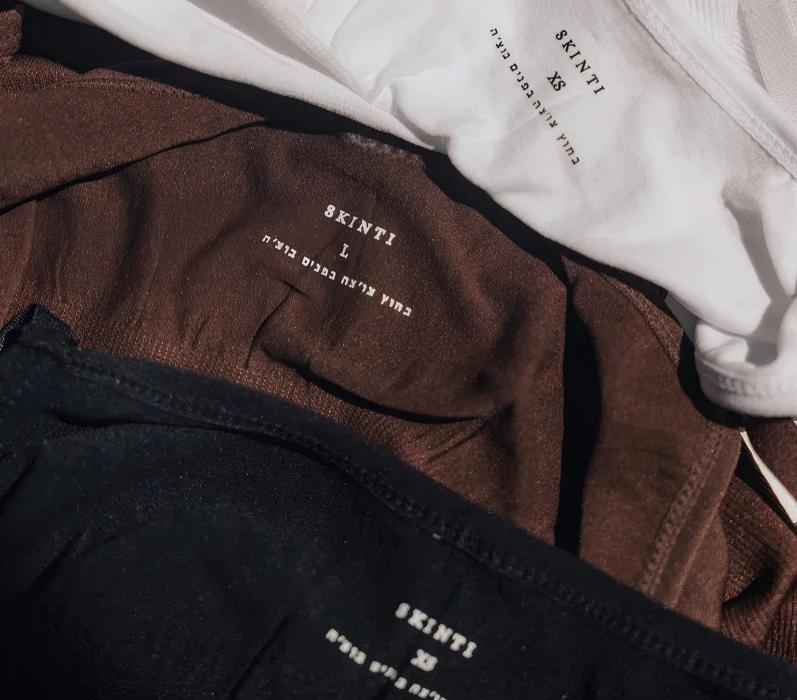
BrandLift Services: This turns a simple “product” into a market-ready brand. From custom packaging to professional photography, BrandLift ensures your unboxing experience is world-class.
HyperSKU BrandLift™
Comprehensive solutions to elevate your DTC brand identity.
Brand Wrap
Fulfillment VAS
Design Service
Photography
Pre-shipment Sample
Wait, there’s even more! ✨
Click to explore the full BrandLift guide and detailed pricing.
HyperPOD (Print On Demand 2.0): Beyond basic printing, this is “Brand-on-Demand.” It allows you to launch premium customized products using advanced techniques like embroidery and laser engraving—all with no inventory risk.
Risk Management: Ensuring Your Global Supply Chain Is Scale-Ready
While the platforms listed in this guide have been vetted for operational stability, scaling a serious brand requires a proactive approach to Supply Chain Due Diligence. These five strategic practices will help you mitigate operational risks and protect your brand equity as you grow:
1. Verify Institutional Credibility
Reputable partners for large-scale operations must have a footprint beyond their own sales pages. Look for established brands’ feedback on independent platforms or industry-specific forums. A supplier with a high volume of verified, varied, and long-term reviews is more likely to handle the complexities of a scaling business than one with only self-hosted testimonials.
2. Audit Operational Transparency
Engage directly with account managers before committing to a long-term partnership. Ask granular questions about their fulfillment infrastructure, RMA (Return Merchandise Authorization) workflows, and Private Label capabilities. Professional supply chain solution providers answer these queries with data-backed transparency, while unreliable actors often provide generic or evasive responses.
3. Utilize Secure, Compliant Payment Channels
For scaling brands, financial compliance is as critical as logistics. Prioritize suppliers who accept established payment processors that offer buyer protection and clear transaction trails. Avoid partners requesting unconventional payment methods for initial orders, as these offer zero protection and can complicate corporate accounting and tax compliance.
4. Prioritize Vertical Integration over Sub-Wholesaling
DTC success relies on lean, direct supply chains. Identify and avoid “middlemen” who mark up prices without adding value. Instead, partner with supply chain infrastructure providers that offer factory verification and supply chain consolidation. This reduces hidden business costs and ensures you are as close to the manufacturing source as possible.
5. Benchmark via Prototype Testing
No digital listing replaces physical verification. For any product you intend to sell in high volume, order a sample first to evaluate not just the product quality, but the unboxing experience, packaging durability, and actual transit speed against the stated specifications. This is the final safeguard to ensure the customer experience aligns with your brand standards.
Final Verdict: Aligning Your Supplier Strategy with Your Growth Stage
While AliExpress remains a functional tool for initial product discovery and low-volume validation, it often falls short as a long-term foundation for a scaling eCommerce enterprise. The limitations in shipping consistency, centralized quality control, and lack of brand-building support eventually become a bottleneck for professional growth.
Choosing the right alternative depends on your current operational scale and your 12-month trajectory:
- The Ultimate Scale-Up Solution: HyperSKU Beyond being a mere supplier, HyperSKU acts as a long-term growth partner and a supply chain infrastructure provider. It is the optimal AliExpress alternative for those ready to move beyond “listing products” and start “building a brand”. By offering factory verification and supply chain consolidation, it eliminates the hidden costs and risks inherent in unmanaged platforms.
- For Brand Identity & Customization: Printful, Printify, and Gelato remain the gold standards for POD (Print-on-Demand) sellers prioritizing bespoke customer experiences.
- For Regional Logistics Speed: Spocket and Modalyst are effective for those specifically requiring localized supplier networks within the US and EU markets.
- For Budget-Sensitive Volume: DHGate and CJDropshipping offer competitive pricing structures for sellers focusing on high-volume, cost-effective fulfillment during their early stages.
Ultimately, the most important factor is not which platform has the largest catalog; it is which platform’s infrastructure provides the brand security and operational stability required to sustain your growth.
FAQ: Navigating the AliExpress Alternative Landscape
1. Why should a scaling DTC brand move away from AliExpress?
While AliExpress is excellent for low-volume testing, scaling brands require high operational stability. The platform’s decentralized nature means inconsistent shipping speeds and a lack of centralized quality control. Moving to a long-term growth partner like HyperSKU provides the supply chain infrastructure—such as factory verification and consolidation—necessary to protect your brand equity and customer experience.
2. Can I still do Private Labeling with AliExpress alternatives?
Yes, but the experience varies. Many “plug-and-play” apps only offer basic logo placement. For serious Private Label development, you need a partner that offers deep vertical integration. This includes custom packaging, photography, and pre-shipment sampling to ensure your brand’s physical touchpoints meet high-end market standards.
3. How do fulfillment speeds compare across these platforms?
Platforms like Spocket and Modalyst rely on localized EU/US supplier networks for speed. However, for global brands sourcing from Asia, the key to speed is efficient logistics consolidation. A professional infrastructure provider can often outperform standard shipping by optimizing the route from factory to the final mile, reducing “hidden” transit days.
4. Is it more expensive to use a supply chain solution provider?
Initially, the per-unit cost might seem higher than the lowest bid on a marketplace. However, when you factor in the reduction of hidden business costs—such as handling disputes, reshipping defective items, and loss of customers due to slow shipping—a managed infrastructure is significantly more cost-effective for long-term scaling.